
Future Female Africa
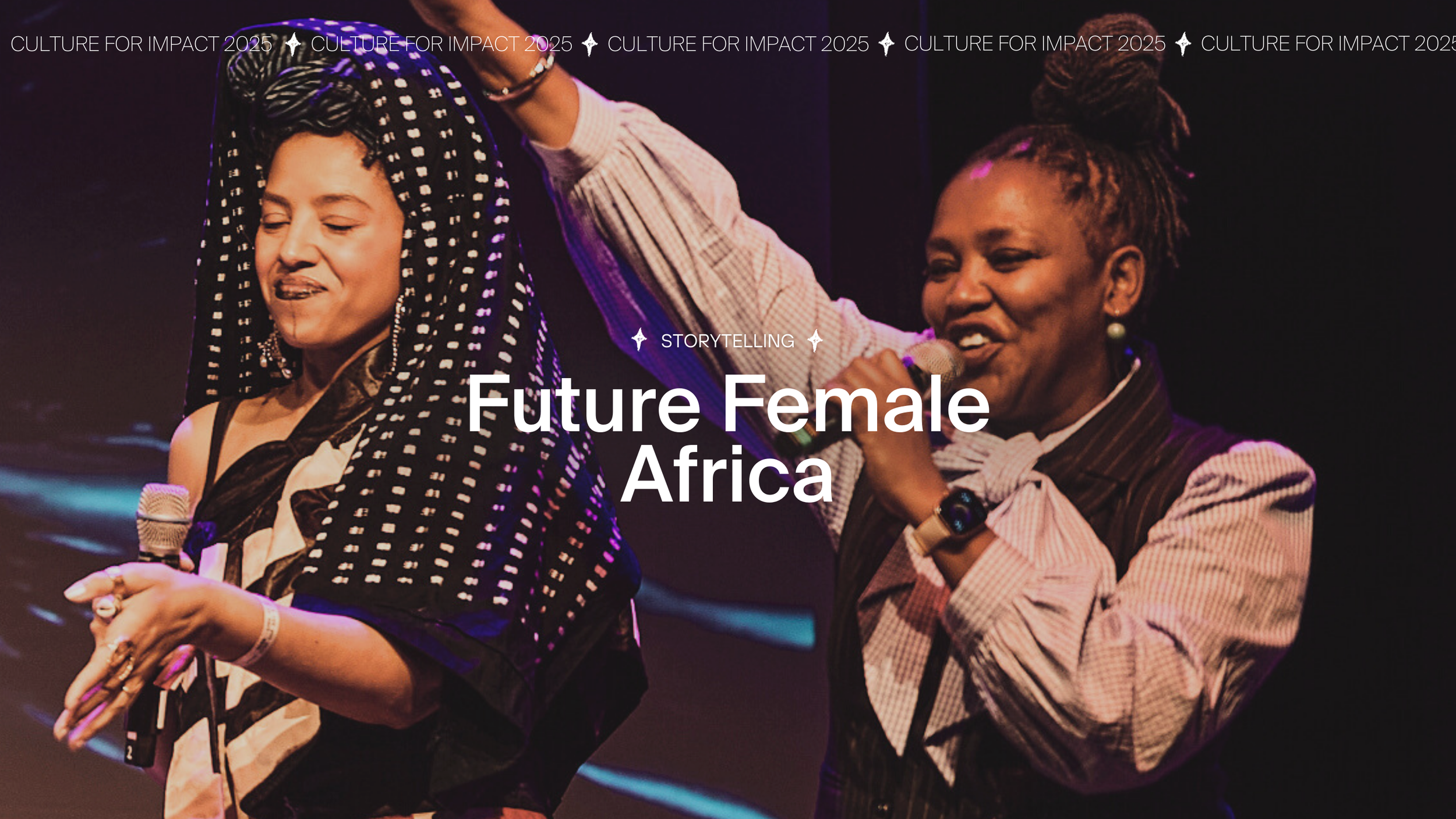
Every great initiative starts with a purpose. Can you share what your initiative does, the communities you serve, and why this work matters in today's world?
Future Female Africa (FFA) is a creative and leadership ecosystem amplifying the agency, innovation, and visibility of women across Africa and its global diaspora. Through platforms like the Afro-Futuristic Convention (AFC), AFFRA—the Afro-Futuristic Food Renaissance & Awakening—and the Push The Red Button-Activate Change campaign on MHH, FFA creates spaces where women lead, create, and activate change across culture, tech, wellness, and social impact. These initiatives dismantle hierarchy, cultivate belonging, and build pathways for women to shape equitable futures. With the right partnerships and investment, these ecosystems can scale their impact and strengthen the communities they already serve.

Photo: Tine Rau & Johnny Johnson, Future Female Africa
We're thrilled to learn more about your work. What does being featured on the 2025 Culture for Impact List mean to you and your initiative? How do you see this recognition supporting your mission or amplifying your impact?
Being featured is meaningful not for visibility alone, but for the access and credibility it creates for the work and for the SHEROs and communities behind it. Recognition opens doors that often stay closed to women-led cultural initiatives, and it helps anchor issues like menstrual health, cultural equity, and creative leadership in spaces that don't always prioritize them.
This acknowledgment strengthens the legitimacy of communities whose stories are rarely centered, supporting their confidence and agency. It also amplifies the reach of FFA, AFC, AFFRA, and the Push The Red Button campaign, enabling more people to join, collaborate, and invest in their growth.
Most importantly, this recognition affirms that cultural work is structural work and that it deserves long-term partnership, investment, and institutional support. When recognition aligns with purpose, it acts as a multiplier. It doesn't change the mission; it expands the room the mission can move in.
My hope is that this spotlight leads not only to celebration, but to the tangible support required to scale what is already working and sustain the integrity of the work.
Let's talk about hope. In your view, what role do arts and culture play in helping people reconnect with a sense of collective possibility? How can creativity and cultural expression encourage communities to imagine and work toward a better future together?
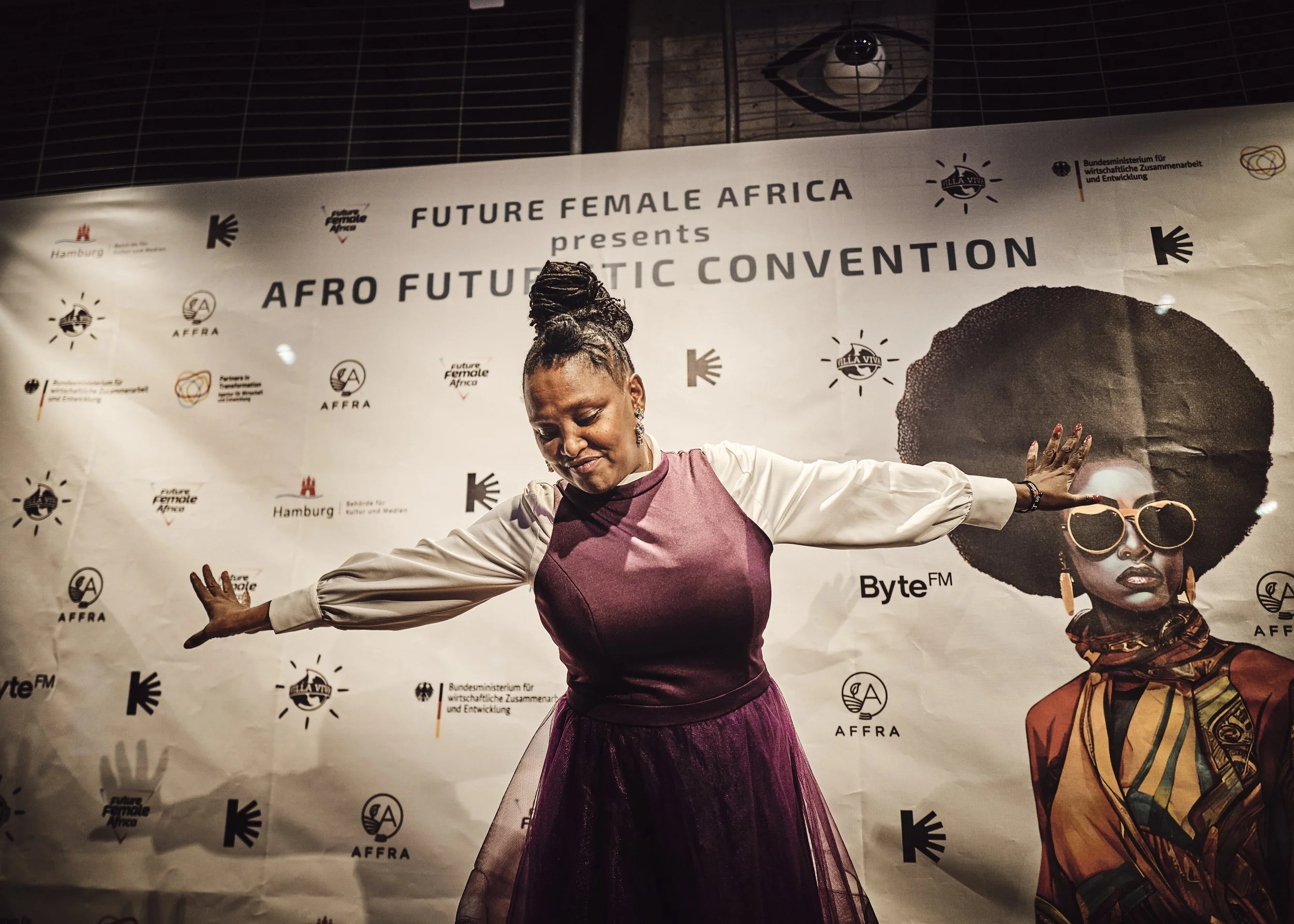
Photo: Onejiru by Johnny Johnson, Future Female Africa
Arts and culture create spaces where people meet without hierarchy or pretense. When individuals create together, they find common ground quickly, which opens the door to honest dialogue, deeper listening, and shared understanding. These environments help people express what they think, name what they need, and participate without fear.
Creative experiences shift groups from passive to active. One shared meal, rhythm, or story can move a room toward engagement far faster than formal discussion. Culture doesn't replace structural work, but it prepares people to participate in it with clarity and confidence.
When communities feel included and grounded, they take responsibility for shaping the future together. This is where cultural work becomes catalytic and where investment in cultural platforms has real, long-term impact.
What inspired you to use socially engaged arts as a tool for positive change? How did this medium become your way of making a difference in the world?
I was drawn to culture because it shifts people faster than conversation. As an artist, I pay attention to the atmosphere, to how a room softens when people experience something together. Creativity removes titles and defenses, helping people meet each other honestly. I saw how quickly people align when they share story, rhythm, food, or performance.
My medium became a tool for change because it naturally builds trust and connection. It bridges different "islands" of identity and experience, something I learned from the women—my grandmother and other SHEROs—who shaped me.
This approach wasn't strategic; it was intuitive. Culture helps people recognize themselves, feel connected, and step into agency. And with the right support, cultural work can reach even more people who need that sense of belonging and clarity.
What has the impact of your work looked like? We'd love to hear stories, feedback, or specific moments when you saw your initiative making a real difference in someone's life or in a community.
Future Female Africa (FFA)
Women consistently describe feeling understood without explanation, a rare relief that strengthens confidence and ambition. FFA spaces encourage honest conversation, clarity of purpose, and tangible next-step thinking. This community continues to grow without heavy marketing, a sign of genuine need and resonance.
Afro-Futuristic Convention (AFC)
AFC disrupts traditional conference hierarchy. People connect as peers, enabling candid cross-cultural dialogue across Kenya, Uganda, Germany, and the diaspora. Participants often leave with renewed direction. Our partnership with Reeperbahn Festival has created meaningful co-curatorial opportunities for African and diasporic voices, a model that could expand with the right investment.
AFFRA
Through shared food and sensory experience, AFFRA opens conversations that formal settings rarely unlock. Trust builds quickly, allowing honest dialogue about identity, wellness, and creativity. These gatherings demonstrate the power of culture as an entry point for deeper work.
Push The Red Button – Activate Change
This campaign shifted menstrual health discussions from silence to visibility. Young women—many for the first time—shared their experiences publicly and confidently. The campaign sparked interest from organizations seeking community-rooted MHH initiatives.
Across all initiatives
The impact is clear: people feel seen, safe, and more grounded in their agency. This internal shift enables collaboration, leadership, and long-term change. The next step is sustaining and scaling this work through strategic partnerships and investment so that these impact-driven spaces can grow beyond their current capacity.
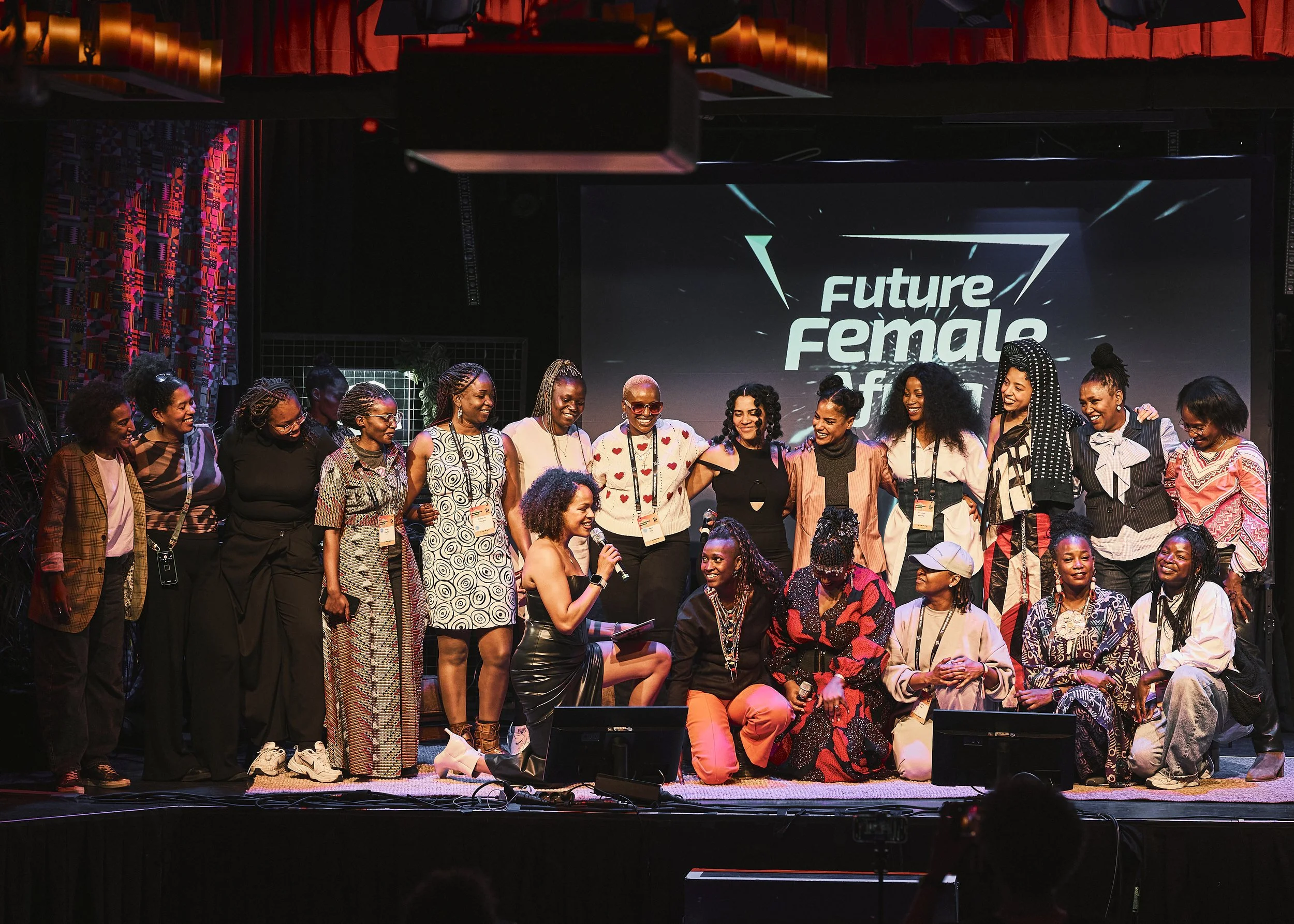
Photo: Tine Rau & Johnny Johnson, Future Female Africa
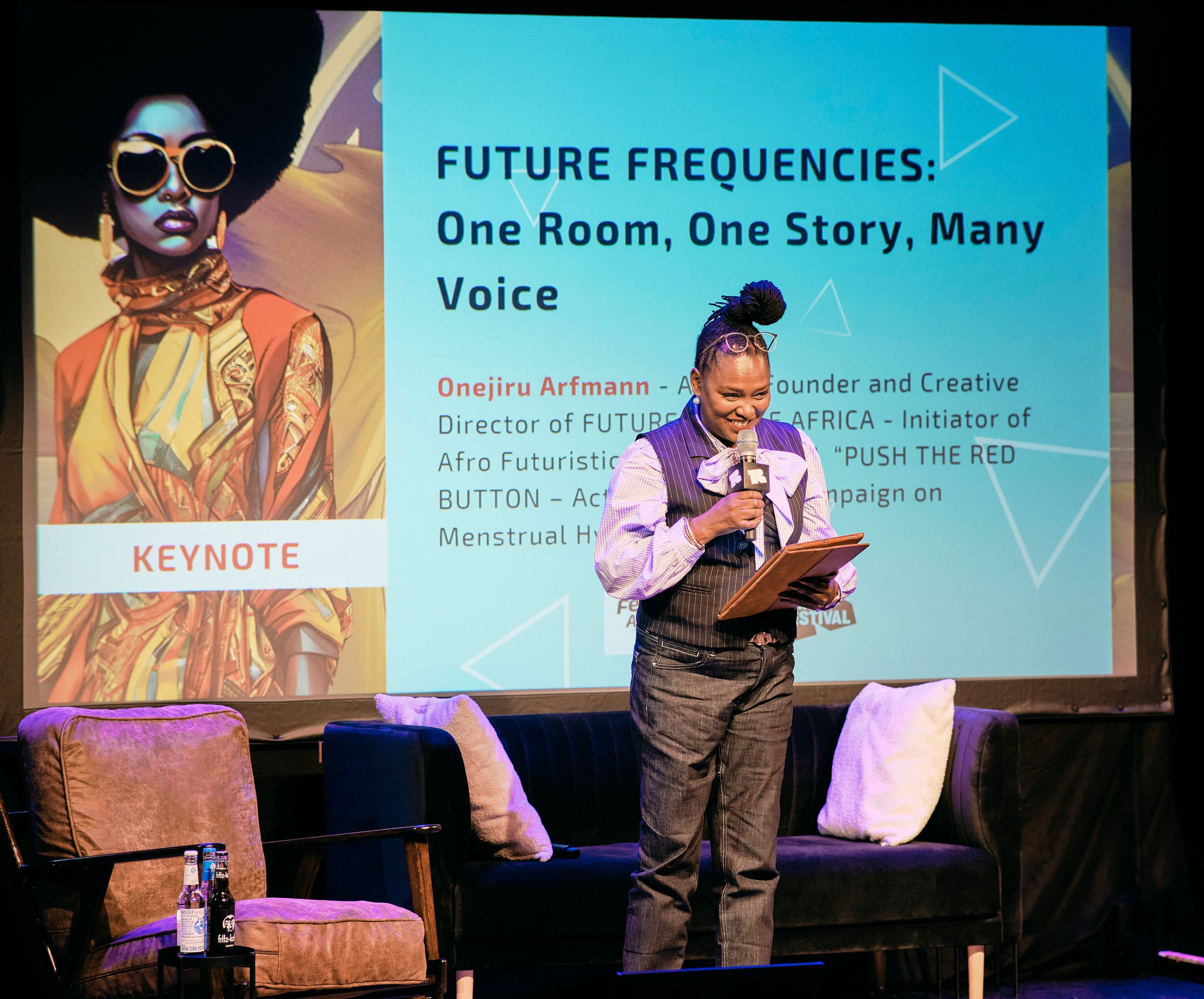
Photo: Tine Rau & Johnny Johnson, Future Female Africa
What do you hope others can learn or take away from your initiative? Are there key approaches, values, or insights that you believe could inspire others to create change through culture?
I hope others see that creativity and advocacy can reinforce each other. When a space is designed with intention—through rhythm, story, food, or atmosphere—people become more present, more open, and more willing to participate. Presence leads to clearer thinking and deeper listening.
When people feel seen and taken seriously, they stop waiting for permission and recognize their capacity to lead. Creative advocacy works best when it builds environments where people feel capable, not intimidated.
Lived experience holds intelligence, and culture makes that intelligence visible. Across FFA, AFC, AFFRA, and Push The Red Button, participation increases when creativity opens the room and purpose anchors the work.
With the right partners and resources, these cultural methods can help others create spaces where inclusion, agency, and collective action grow naturally.
At UN Live, we aim to harness culture as a force for empathy and collective action. Looking at your work, how do you think popular culture platforms can inspire people — not only to care about the planet, but to take meaningful, connected, and concrete action?
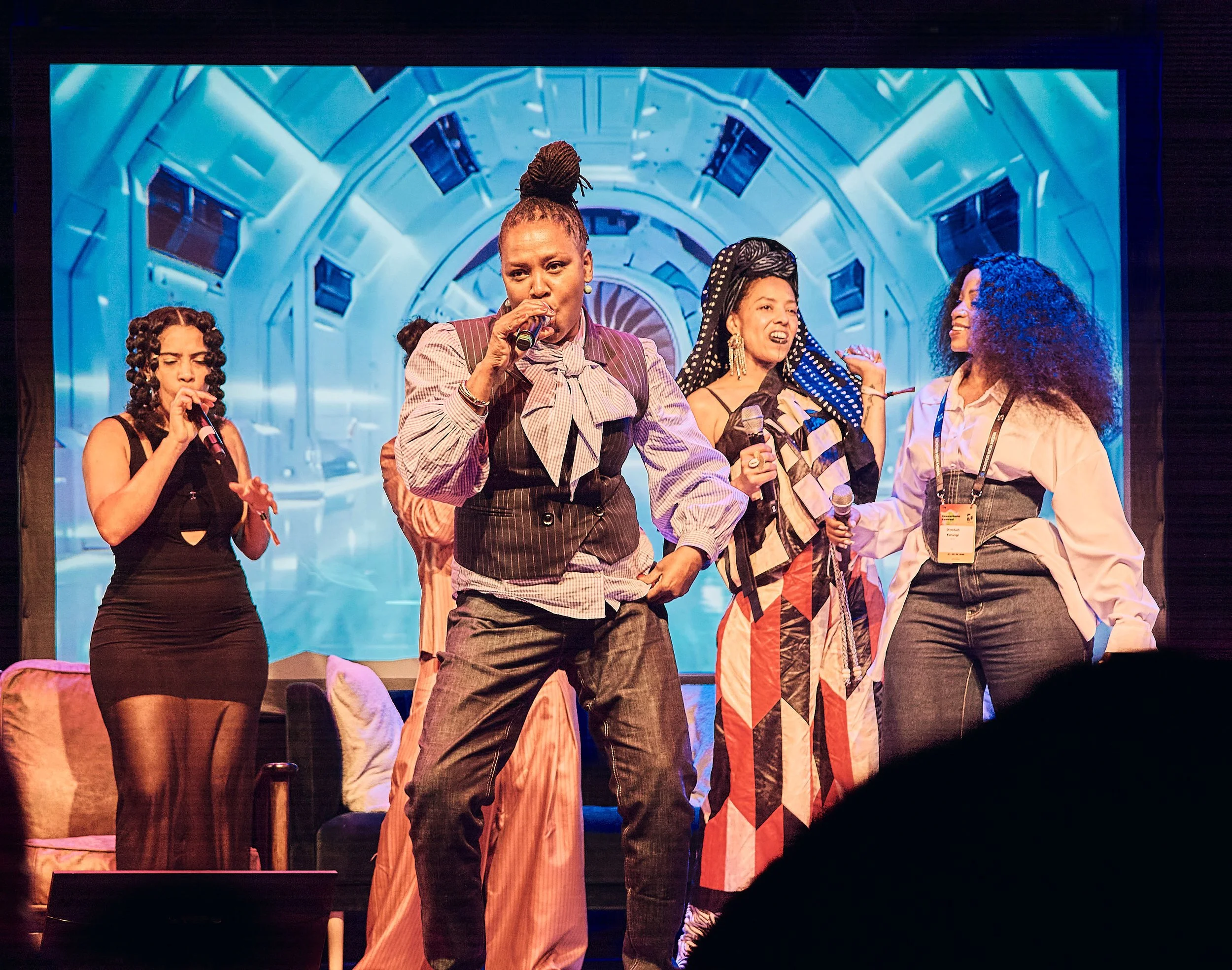
Photo: Tine Rau & Johnny Johnson, Future Female Africa
Popular culture platforms have the power to shape emotion, belonging, and identification—the ingredients that make people willing to care and act. But reach alone is not enough; what matters is how these platforms create connection.
Effective platforms make issues human rather than abstract. They use storytelling, humor, visual culture, ritual, and shared experience to offer emotional entry points into complex topics. They show relatable examples of agency so people feel invited, not overwhelmed. And they build a sense of community around action, turning "I should" into "we can."
When creators embed environmental or social themes naturally into their work, the ideas resonate more deeply. Popular culture can also help people imagine the future—offering images and narratives that make a better world feel possible.
But to translate inspiration into action, people need practical, context-relevant pathways. This is where partnerships and sustained investment matter: they allow cultural platforms to move from awareness to impact.
At its best, culture opens the emotional space where caring becomes natural—and where meaningful action becomes the next step.