Started from a mango tree, Arte y Maña became a symbol of hope
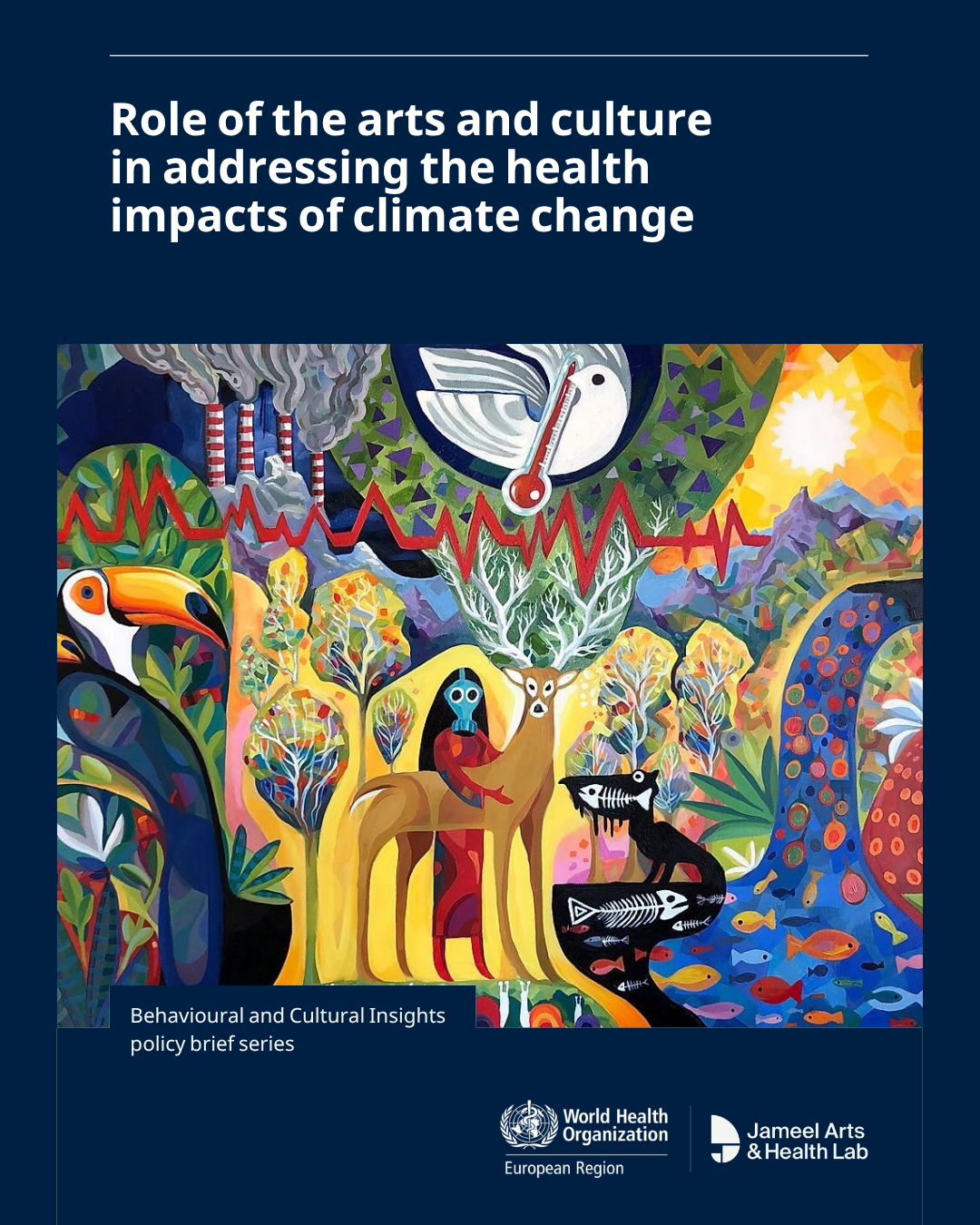
UN Live is excited to feature a series of six case studies highlighted in the policy brief "Role of the Arts and Culture in Addressing the Health Impacts of Climate Change", published by the WHO Regional Office for Europe and the Jameel Arts & Health Lab. The brief explores how arts and culture can help communities respond to the health impacts of the climate crisis and these six initiatives were selected from over 30 projects for the geographic, artistic, and thematic diversity of their impact.
Started from a mango tree, Arte y Maña became a symbol of hope
When Hurricane Maria struck Puerto Rico in September 2017, it killed nearly 3,000 people and caused billions of dollars in damage. It also fractured communities, deepened anxieties, and left thousands of people, particularly children and families, without the emotional resources to process what had happened. In that aftermath, the artists of theatre group Y No Habia Luz made a remarkable choice of reinventing themselves as secondary disaster responders without waiting for permission or funding.
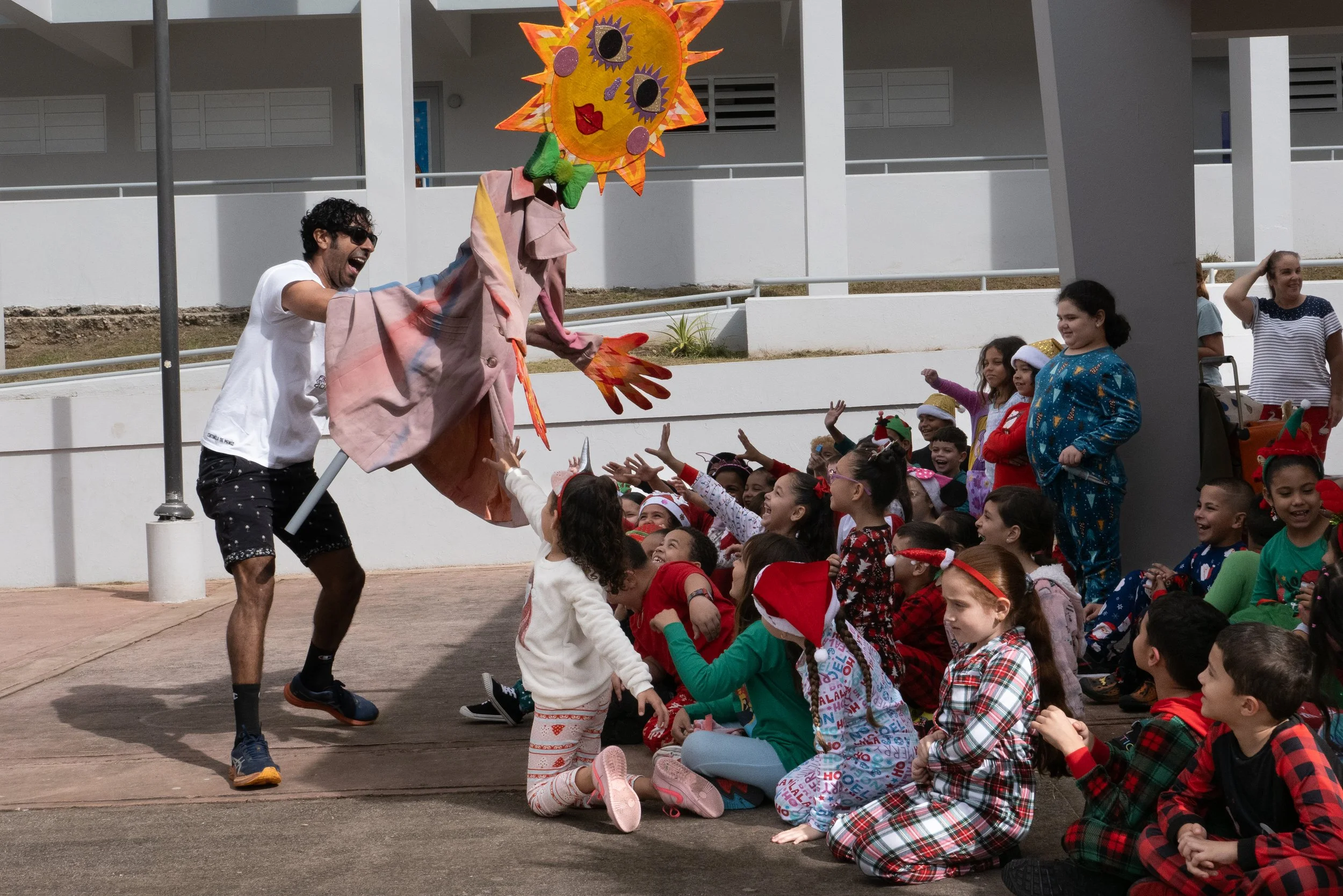
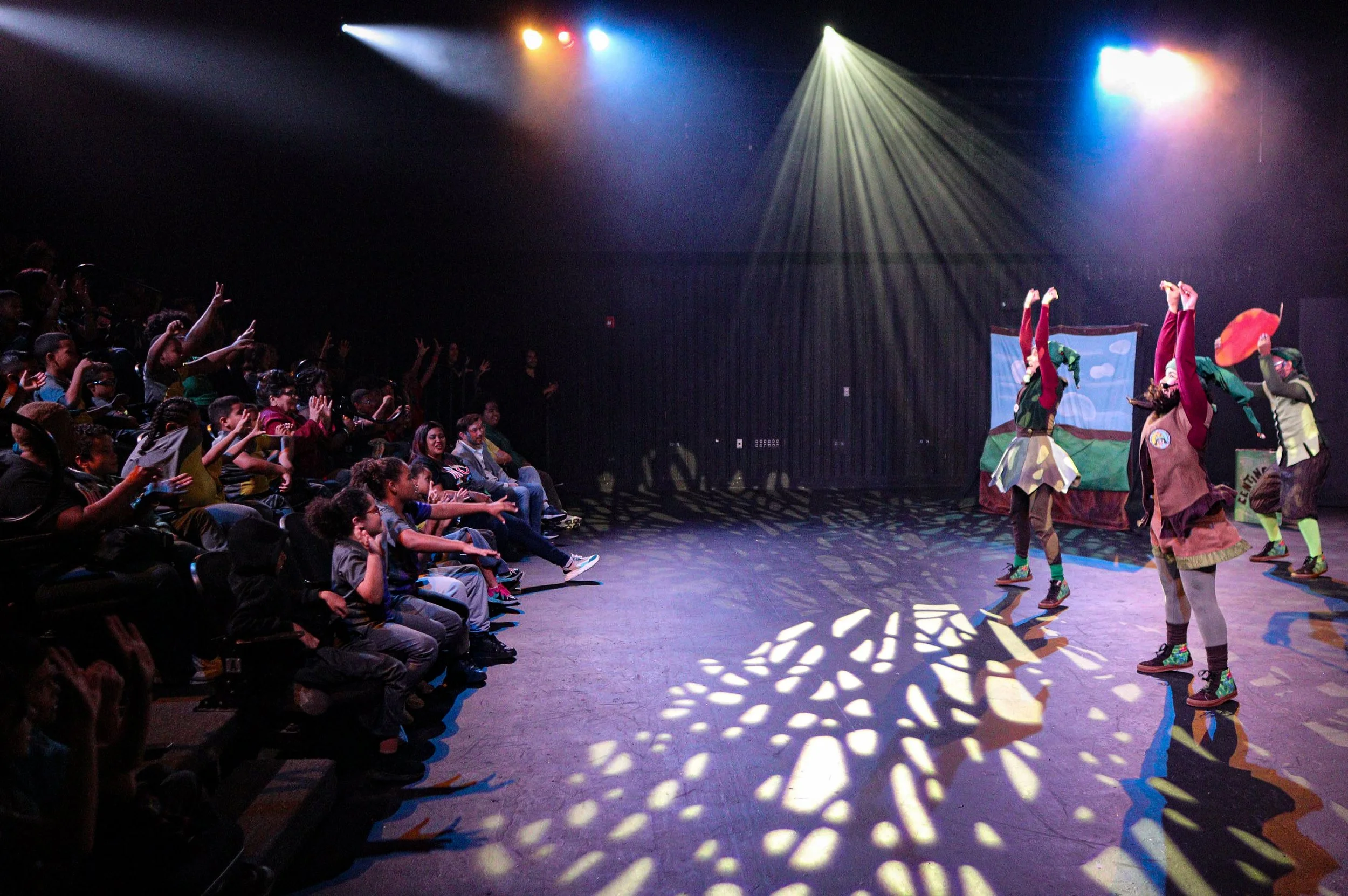
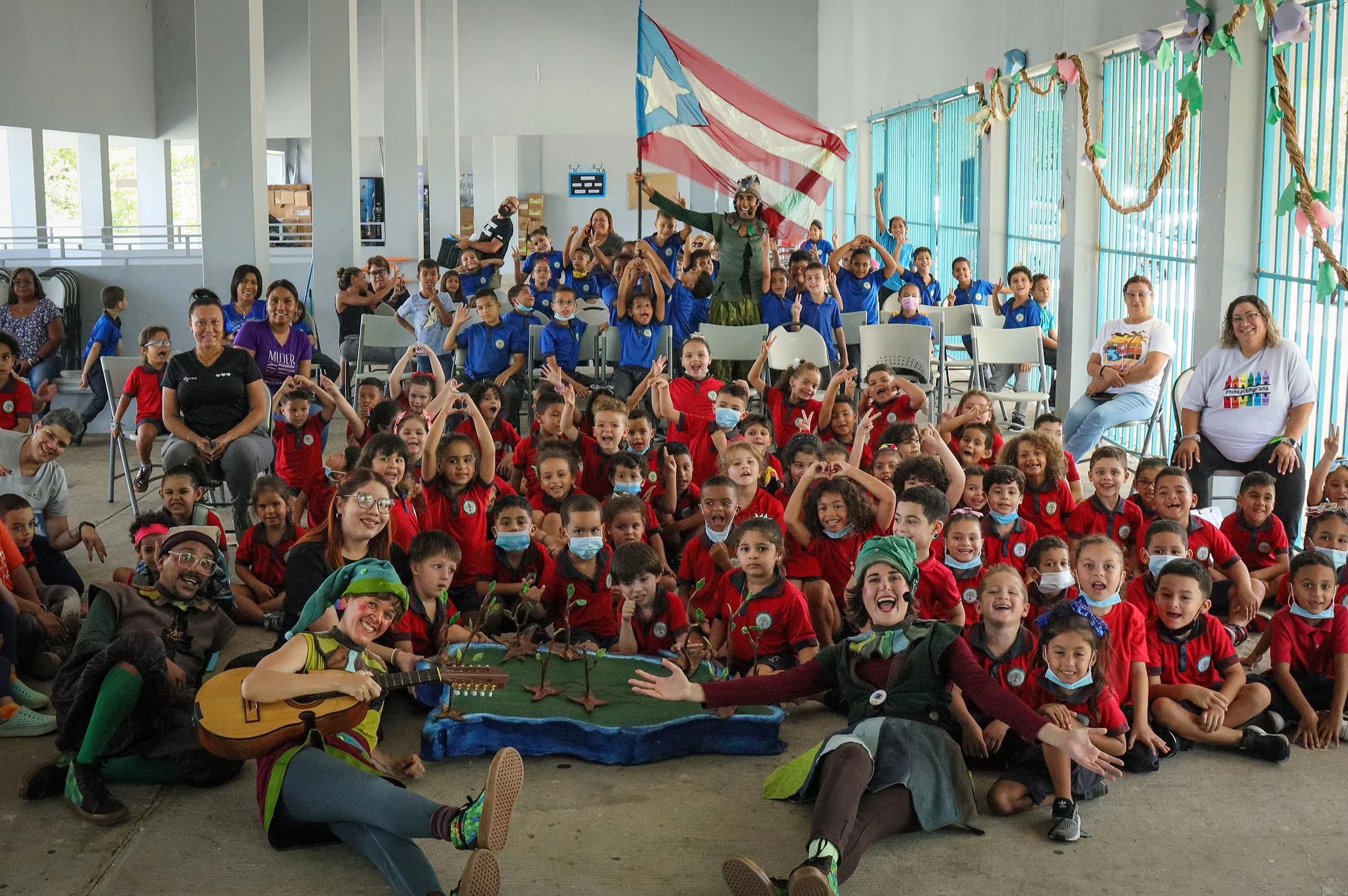
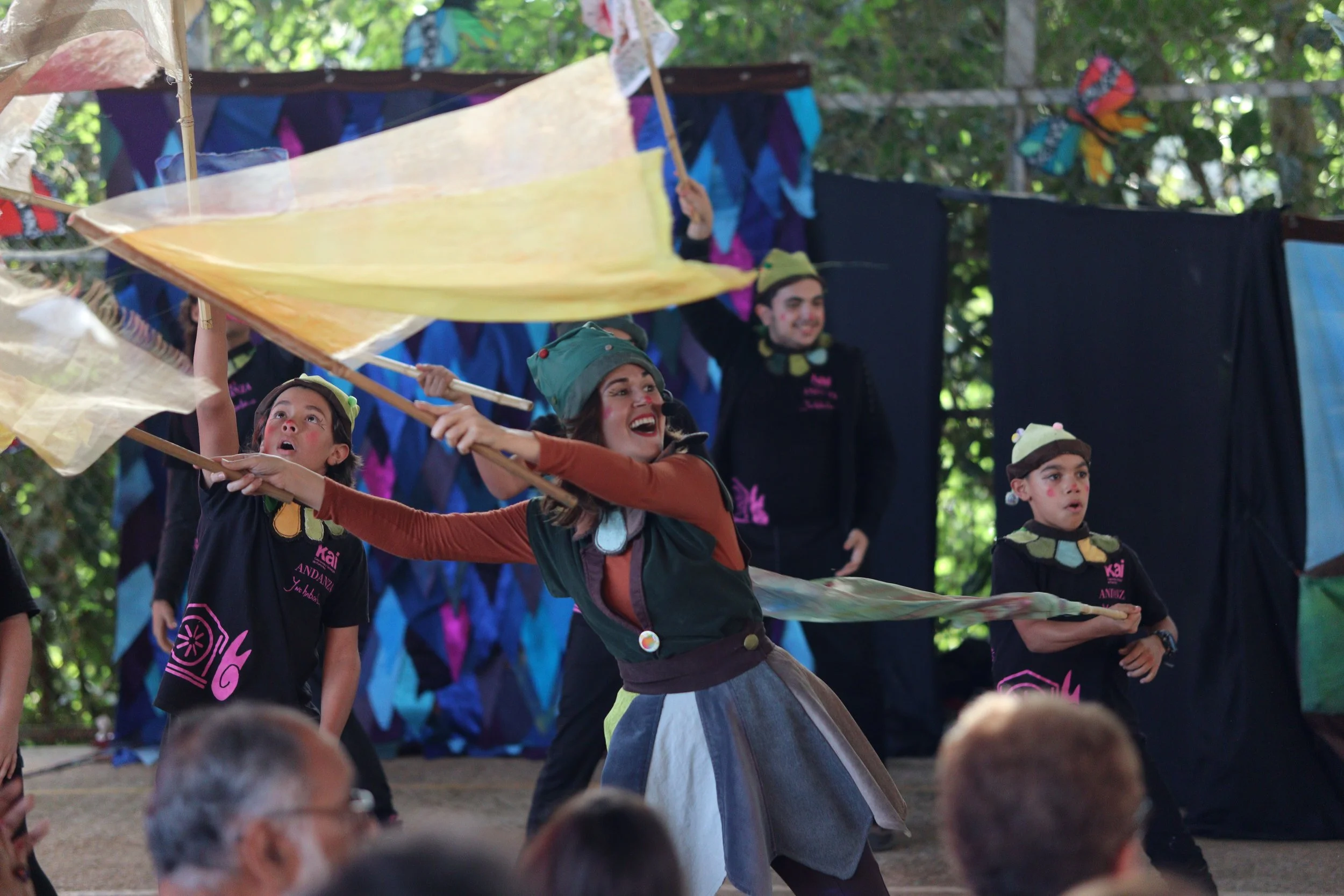
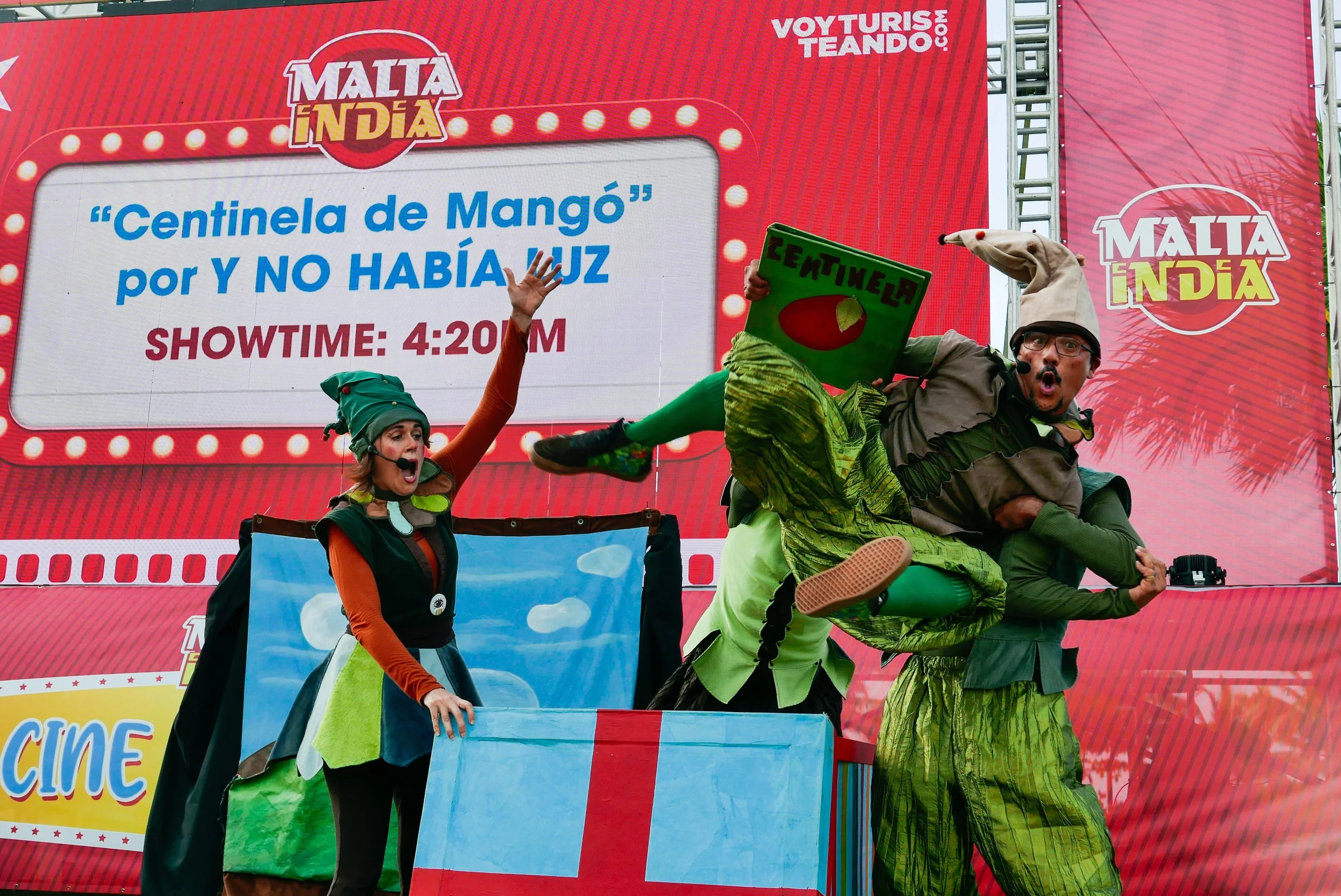
From that response came La Centinela de Mango, a play inspired by a 100-year-old mango tree destroyed in the hurricane. The mango tree is used as a metaphor for the destruction of climate change and as a symbol of hope. Following the hurricane, the group visited communities all over the island to perform the play, which features music, dance, and puppetry, as a source of joy and care. The play is still performed today, and as the policy brief notes, it has been developed into a children's book that the group uses in youth theatre workshops "to help parents talk to their children about complex topics like climate change."
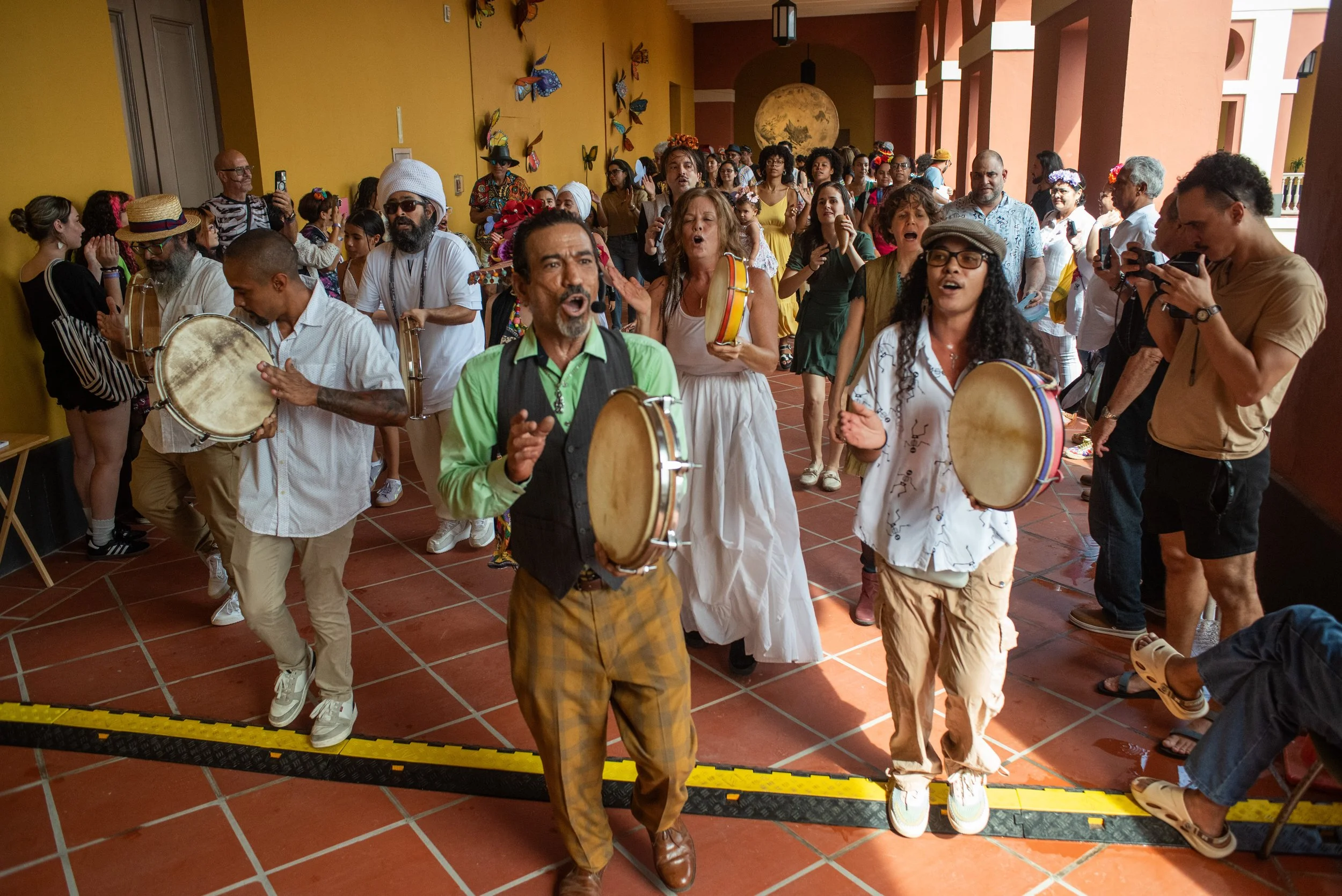
Born in 2017, Arte y Maña combines theatre, children's literature, educational workshops, and community events to support families across Puerto Rico, New York, Chicago, and the Dominican Republic. Even without government support for cultural projects in Puerto Rico, where public funding for the arts remains scarce, the project has continued to document its impact through photography, video, and participant interviews.
The policy brief observes that "cultural resources are already being mobilized to advance health promotion, ecological stewardship and social cohesion", often in places where formal infrastructure is absent. Arte y Maña shows that arts-based responses to climate and health crises are not supplementary, in many communities, they are the primary response available. Read the full policy brief to learn how culture is already shaping climate-health responses around the world.