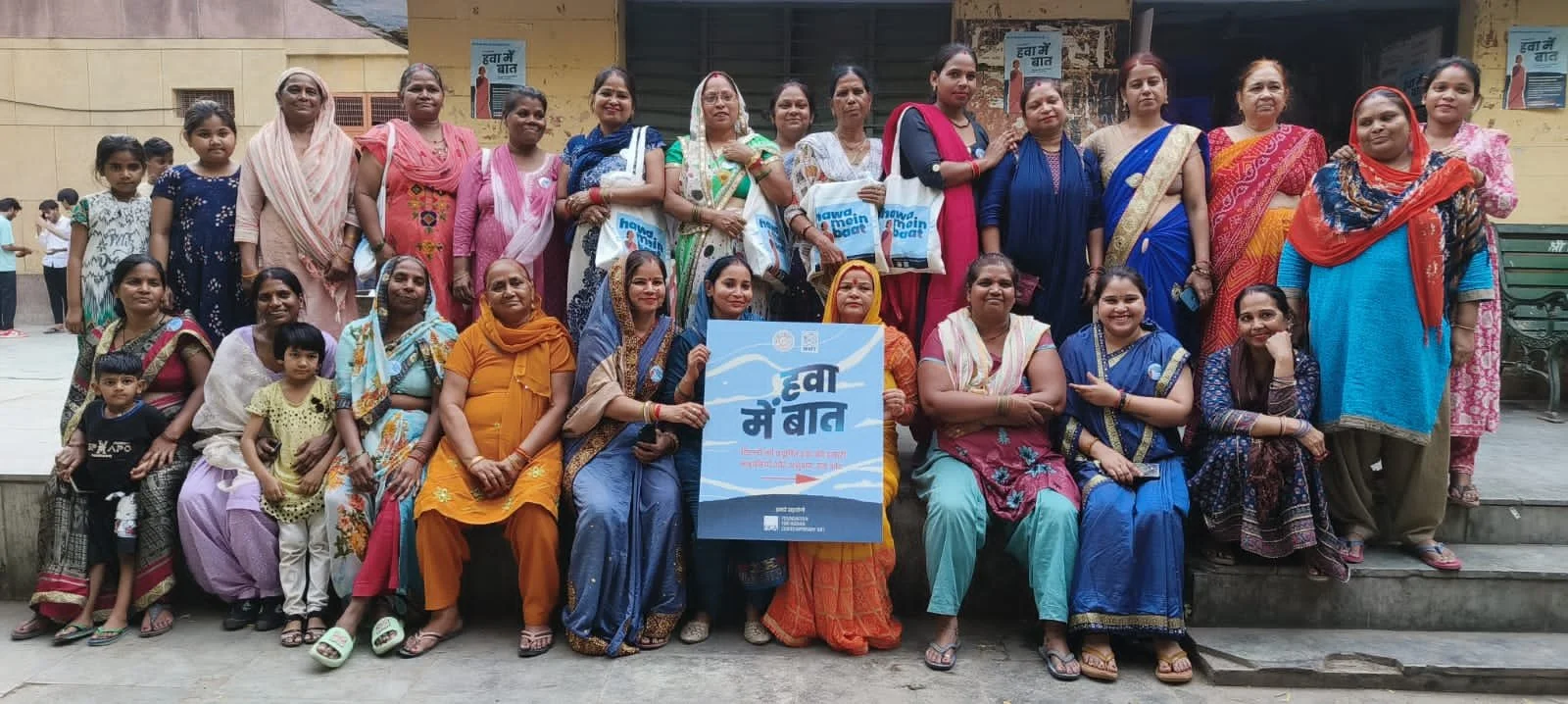
Stitching the air into something we cannot ignore through Hawa Mein Baat
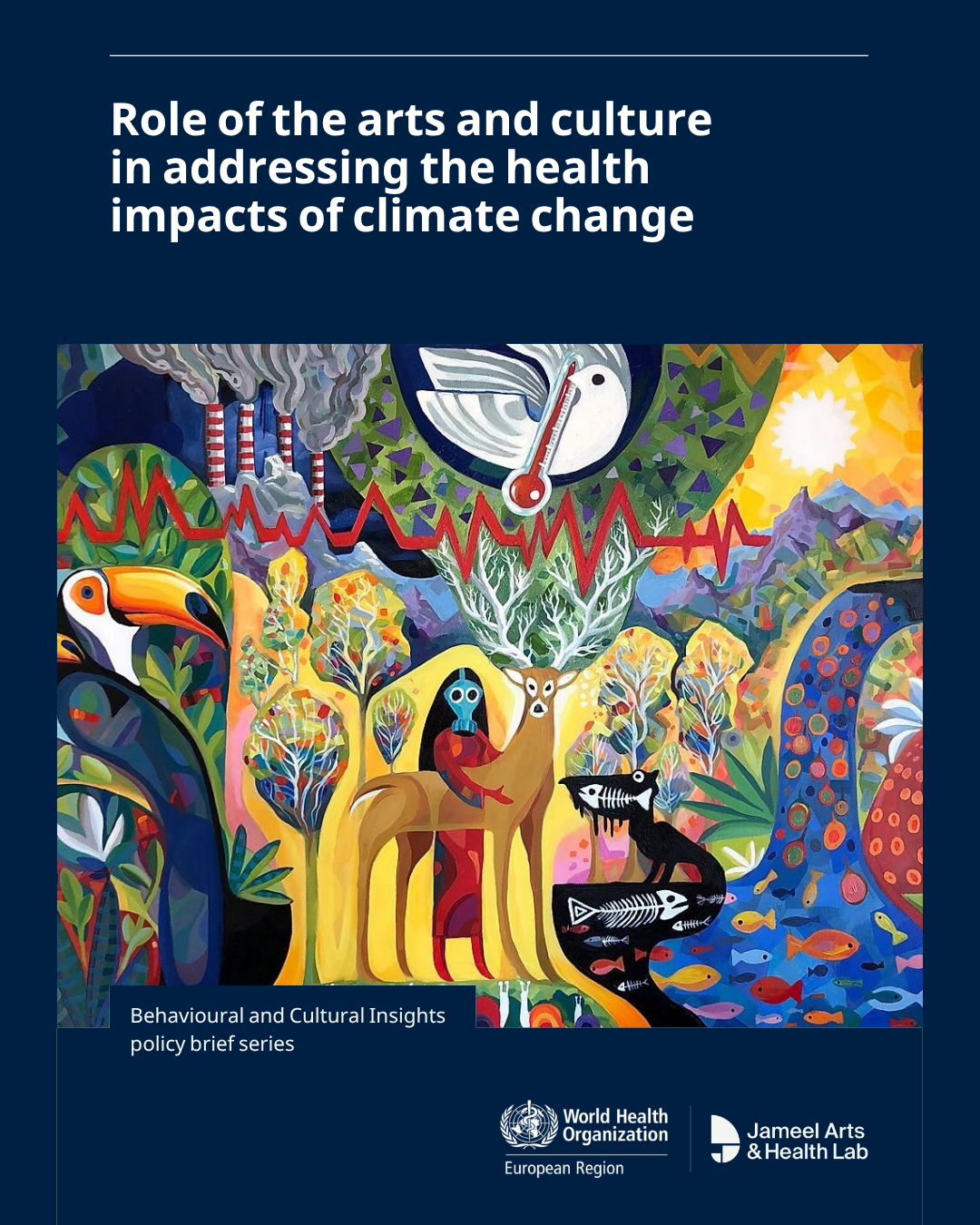
UN Live is excited to feature a series of six case studies highlighted in the policy brief "Role of the Arts and Culture in Addressing the Health Impacts of Climate Change", published by the WHO Regional Office for Europe and the Jameel Arts & Health Lab. The brief explores how arts and culture can help communities respond to the health impacts of the climate crisis and these six initiatives were selected from over 30 projects for the geographic, artistic, and thematic diversity of their impact.
Stitching the air into something we cannot ignore through Hawa Mein Baat
Hawa Mein Baat is an Urdu idiom that translates loosely as "talking in the air", something said without weight or consequence. The campaign of the same name chose the phrase deliberately, as both a provocation and a reclamation. Because the women it centres, informal workers in Delhi's most polluted settlements, have long had their concerns treated as insubstantial, peripheral, easy to dismiss.
Organised by Help Delhi Breathe in collaboration with Mahila Housing Trust, the Foundation for Indian Contemporary Art, and artists Niroj Satpathy and Moumita Basak, Hawa Mein Baat brought together women engaged in home-based work and waste picking from two Delhi neighbourhoods, Nand Nagri and Bhalswa. As the policy brief describes, these are women "whose voices are often left out of conversations about urban development and climate change", and who "stitched stories about their lived experience of air pollution and local issues into tapestries, making an intangible part of their lives visible to the public."
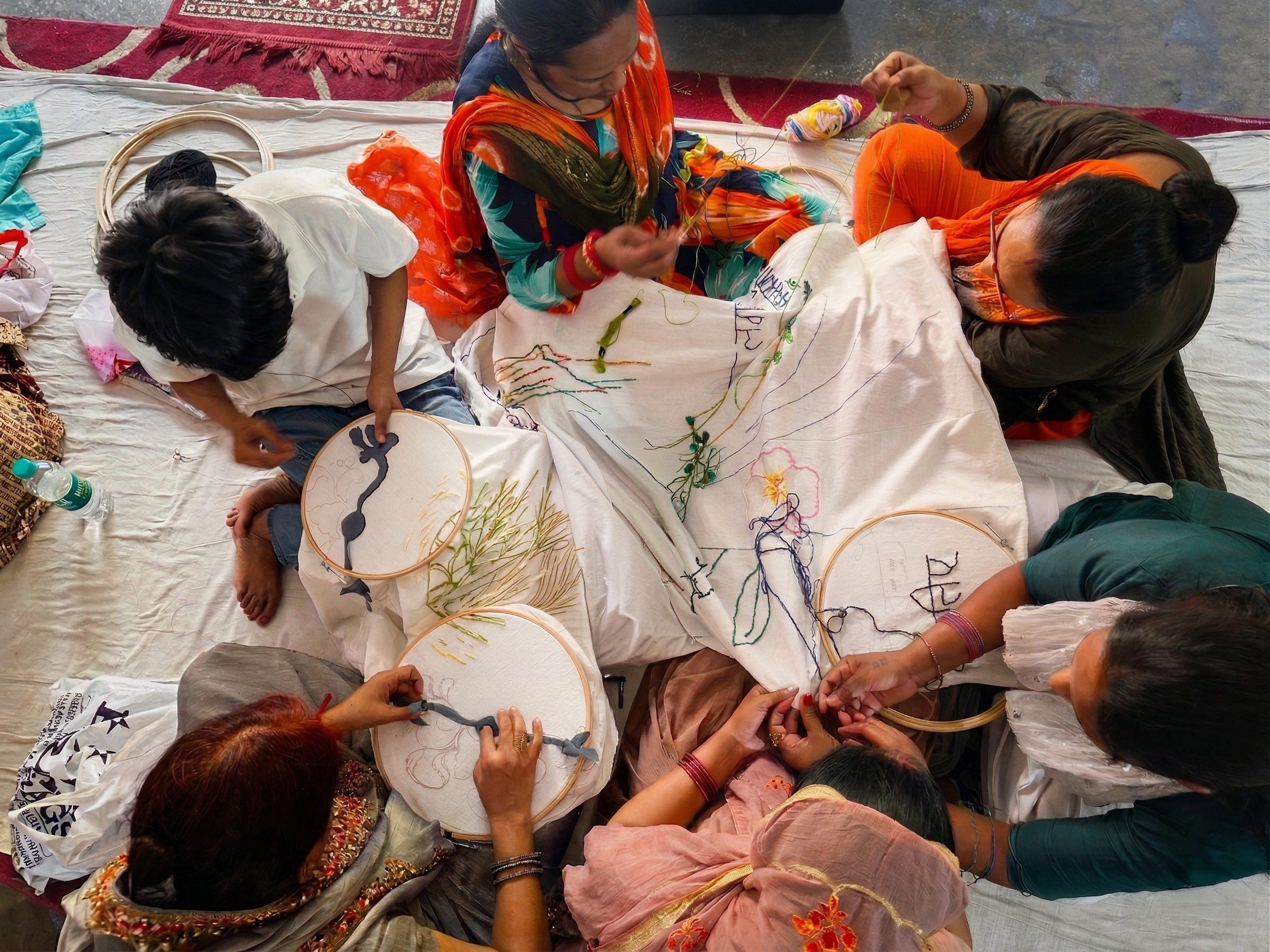
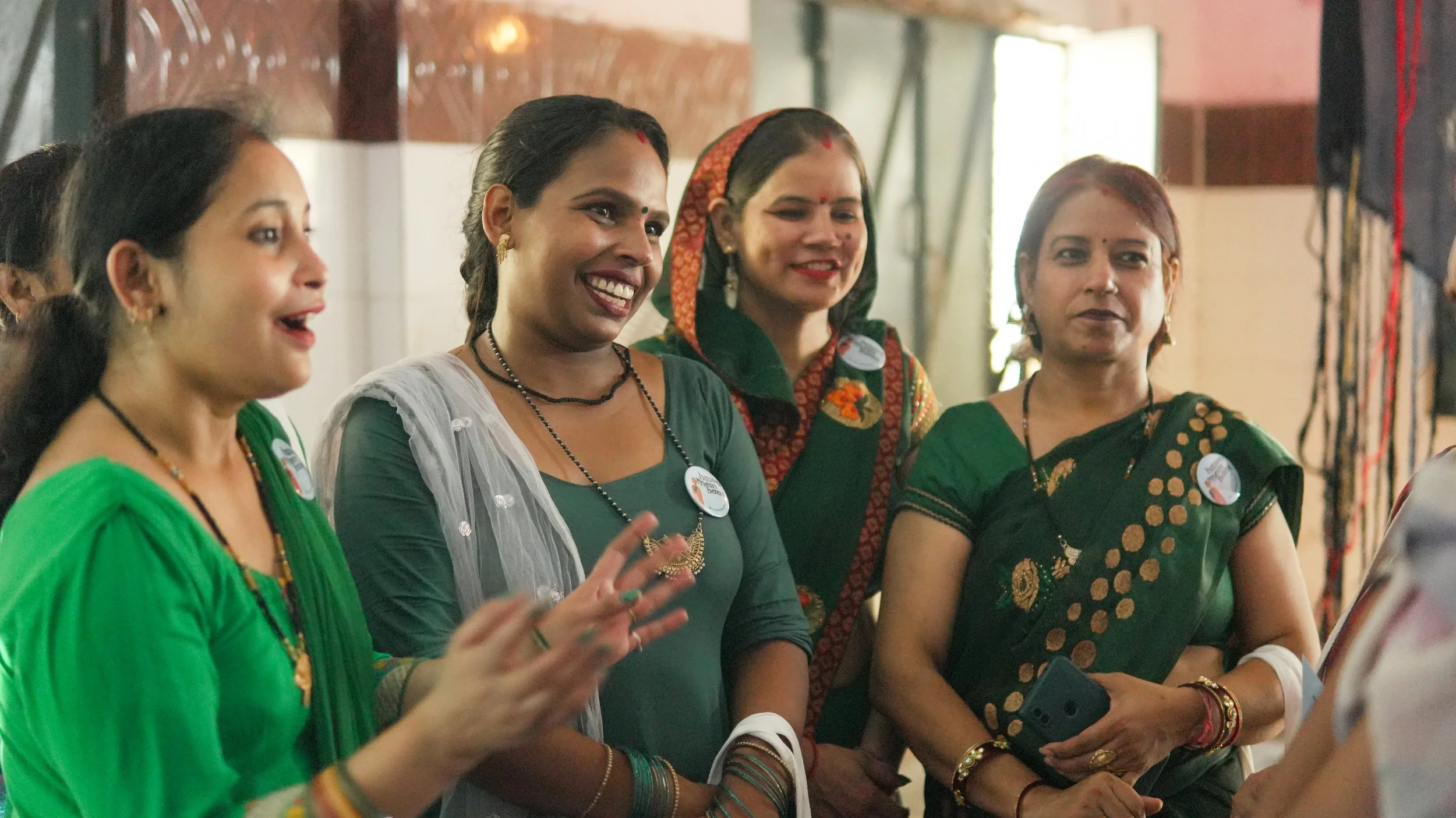
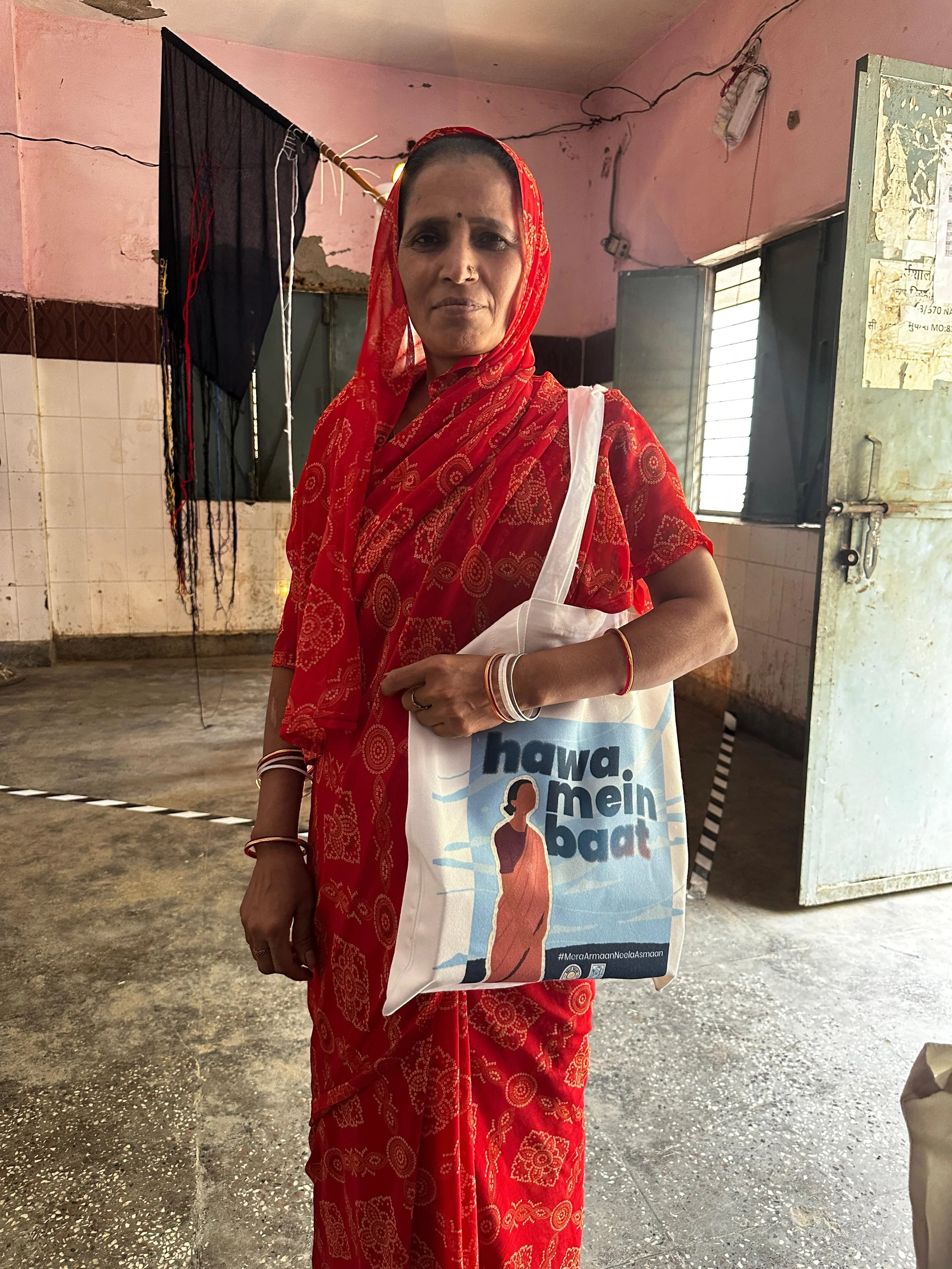
The tapestries were showcased in a community exhibition attended by over 200 people including media, civil society leaders, and local officials. The campaign reached more than 1,100 workers across 10 communities, connected them to government welfare schemes, and engaged over 560,000 people online through a storytelling toolkit, earning more than 30 media stories that sparked dialogue on policy inclusion for informal workers.
For UN Live, Hawa Mein Baat is a reminder of what is possible when culture refuses to stay decorative. The policy brief calls for "approaches that move beyond purely technical fixes toward responses that are meaningful within people's cultural realities", and Hawa Mein Baat does exactly that. It is a story about who gets to speak, and what happens when art makes room for the voices most affected. Read the full policy brief to explore the case for culture as climate-health infrastructure.