Culture Dose for Kids spotlights a new prescription for an anxious generation
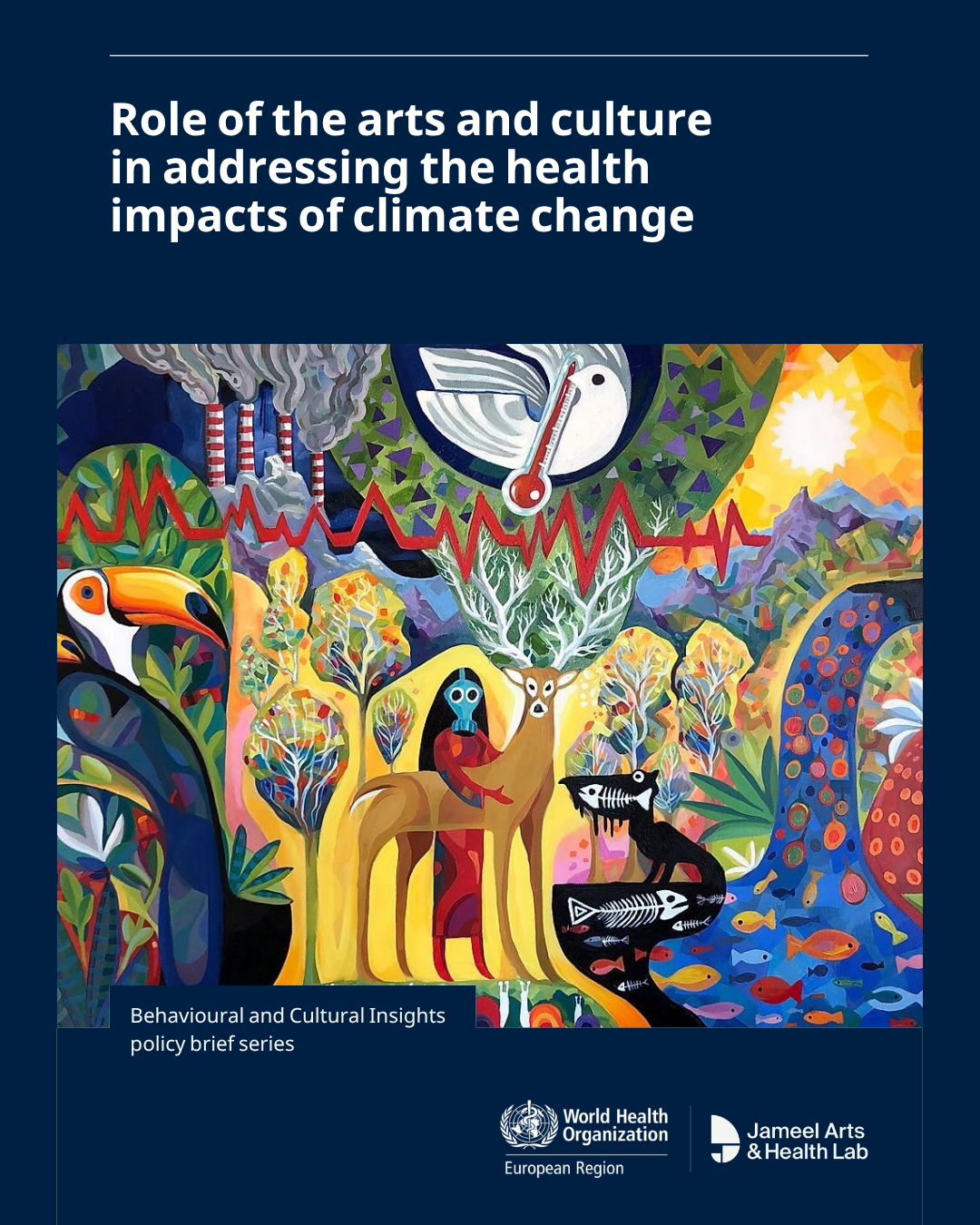
UN Live is excited to feature a series of six case studies highlighted in the policy brief "Role of the Arts and Culture in Addressing the Health Impacts of Climate Change", published by the WHO Regional Office for Europe and the Jameel Arts & Health Lab. The brief explores how arts and culture can help communities respond to the health impacts of the climate crisis and these six initiatives were selected from over 30 projects for the geographic, artistic, and thematic diversity of their impact.
Culture Dose for Kids spotlights a new prescription for an anxious generation
Across the world, anxiety in children is rising, and climate change is part of the reason. Extreme weather events, ecological grief, and the uncertainty of a shifting planet are placing new pressures on young people at a time when many mental health systems are already stretched. In Australia, where bushfires and floods have repeatedly reshaped entire communities, a programme called Culture Dose for Kids was created in response to this gap.
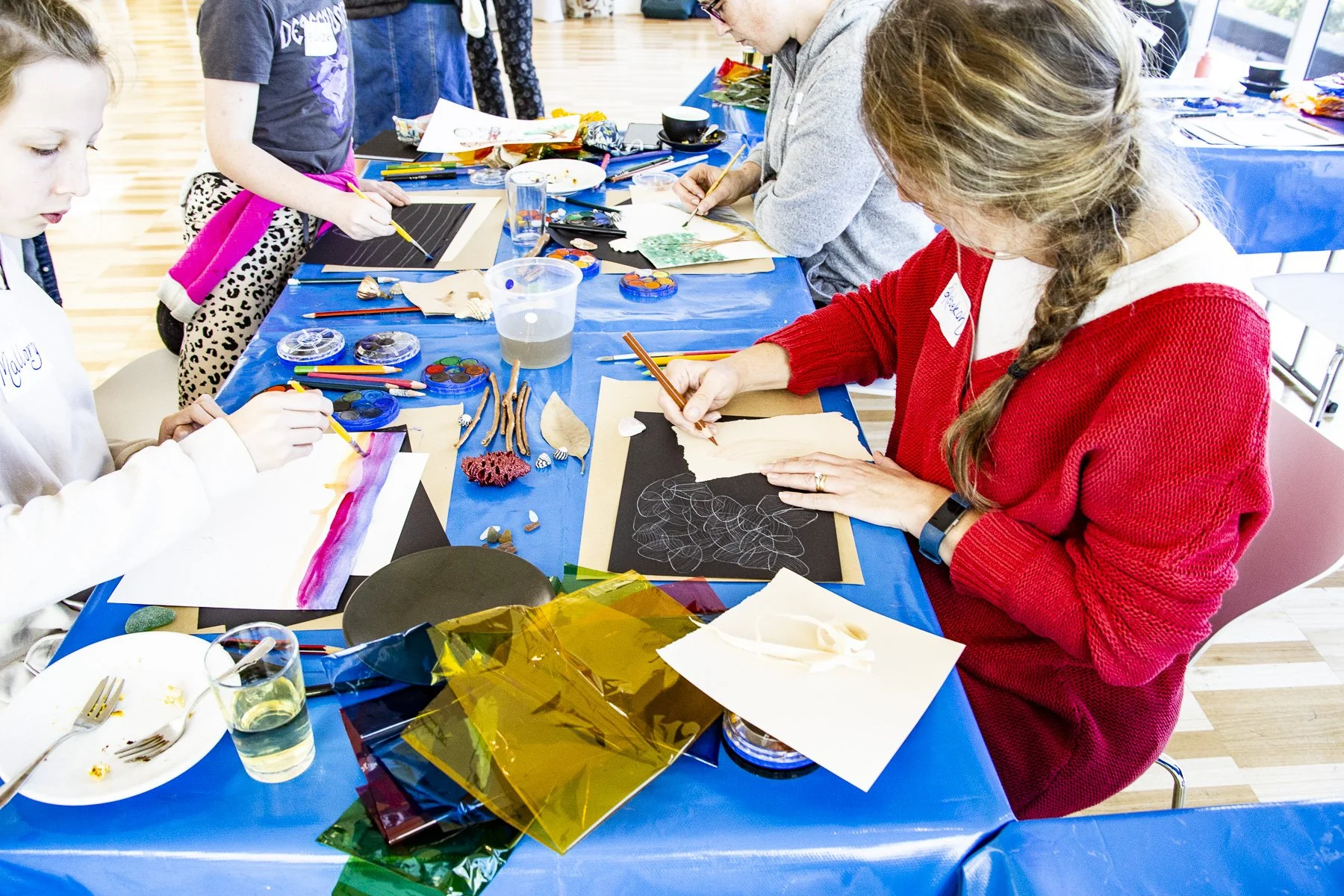
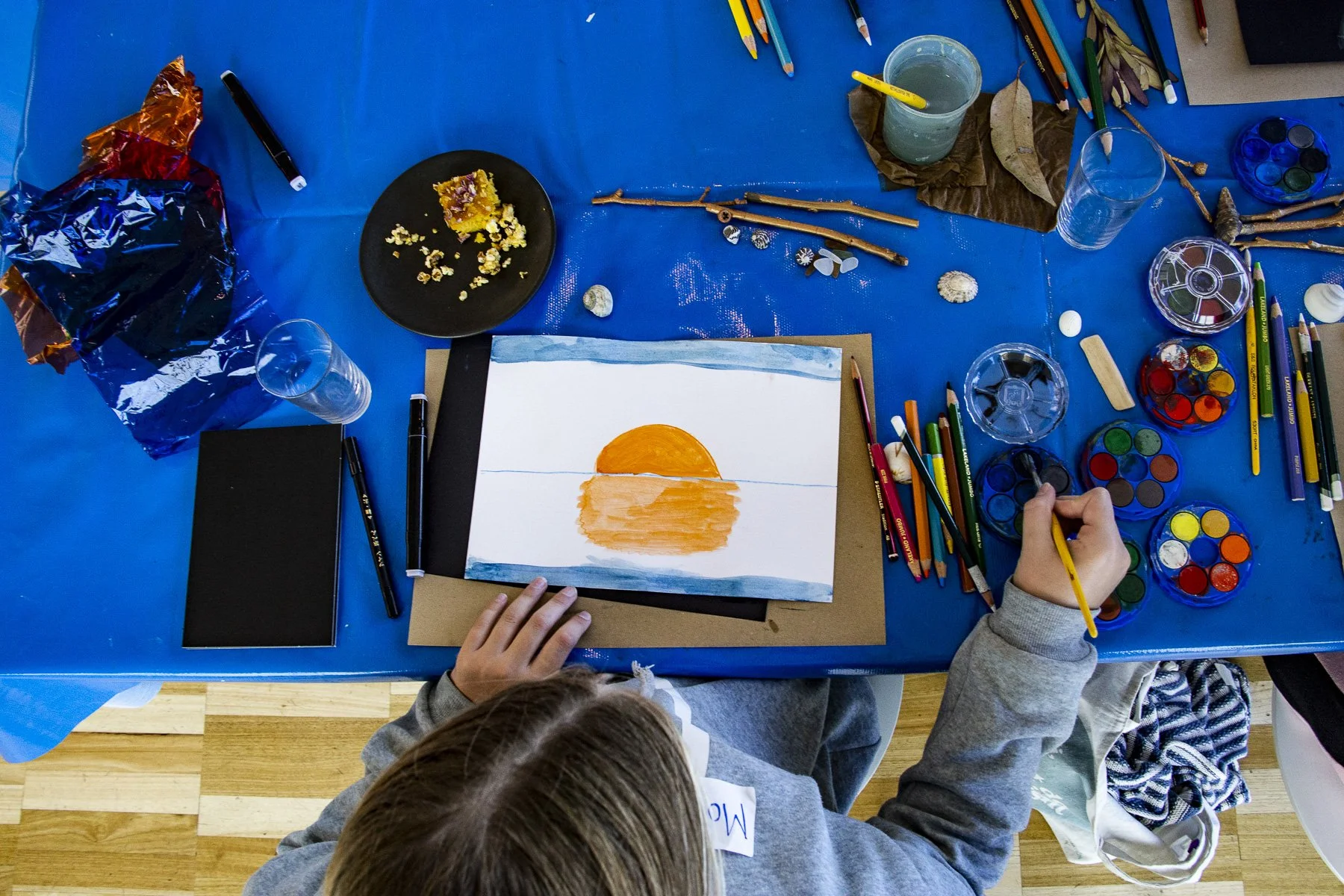
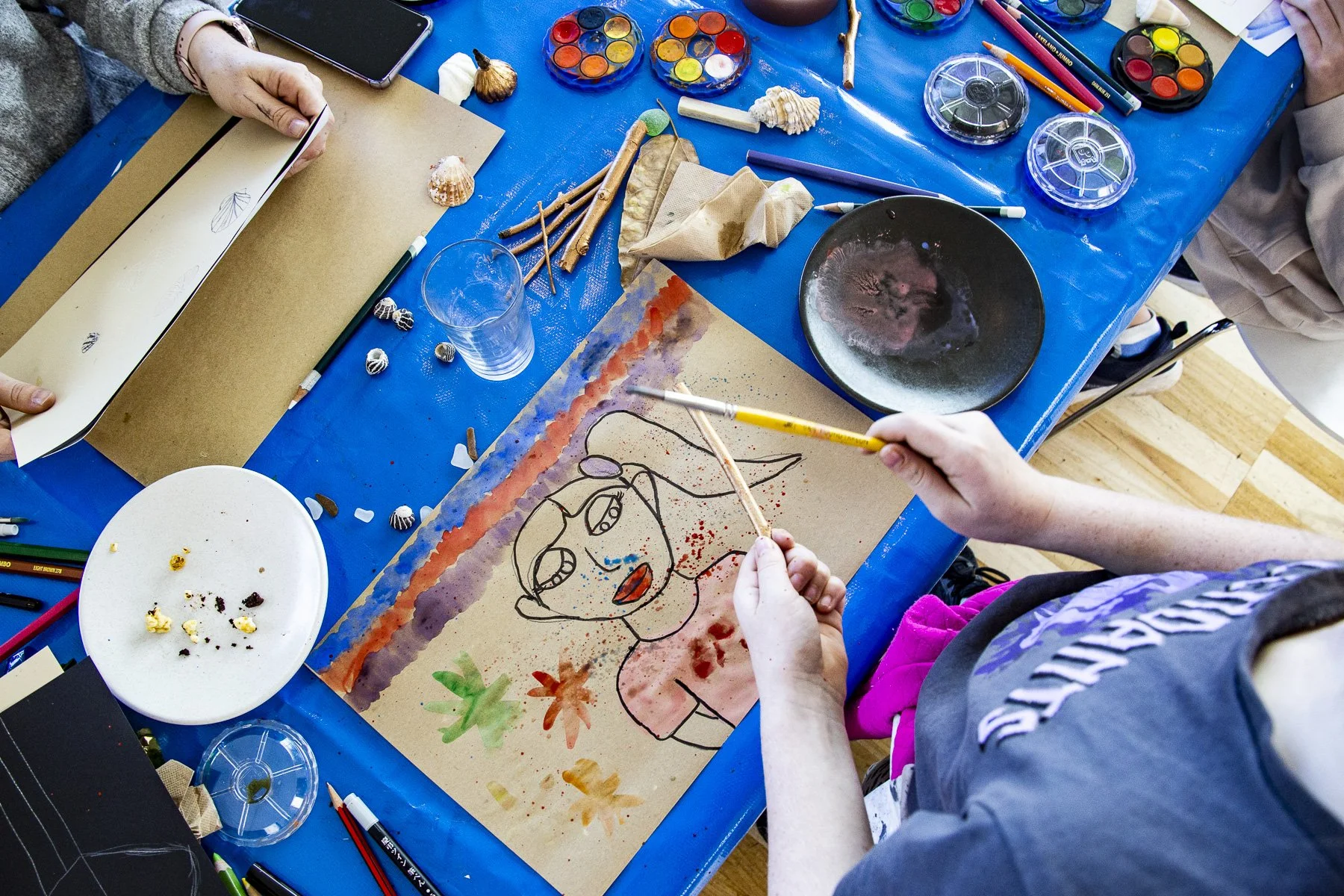
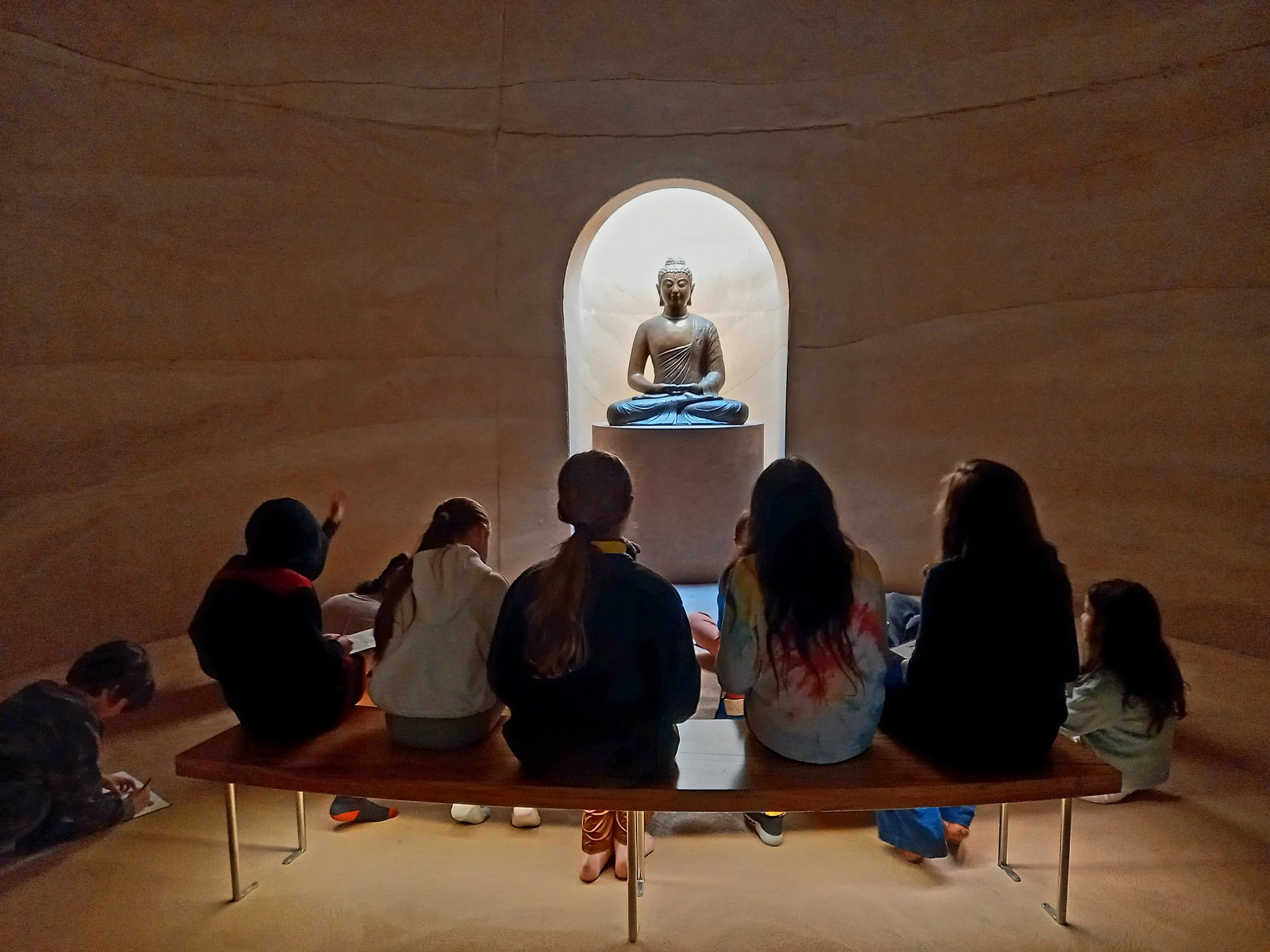
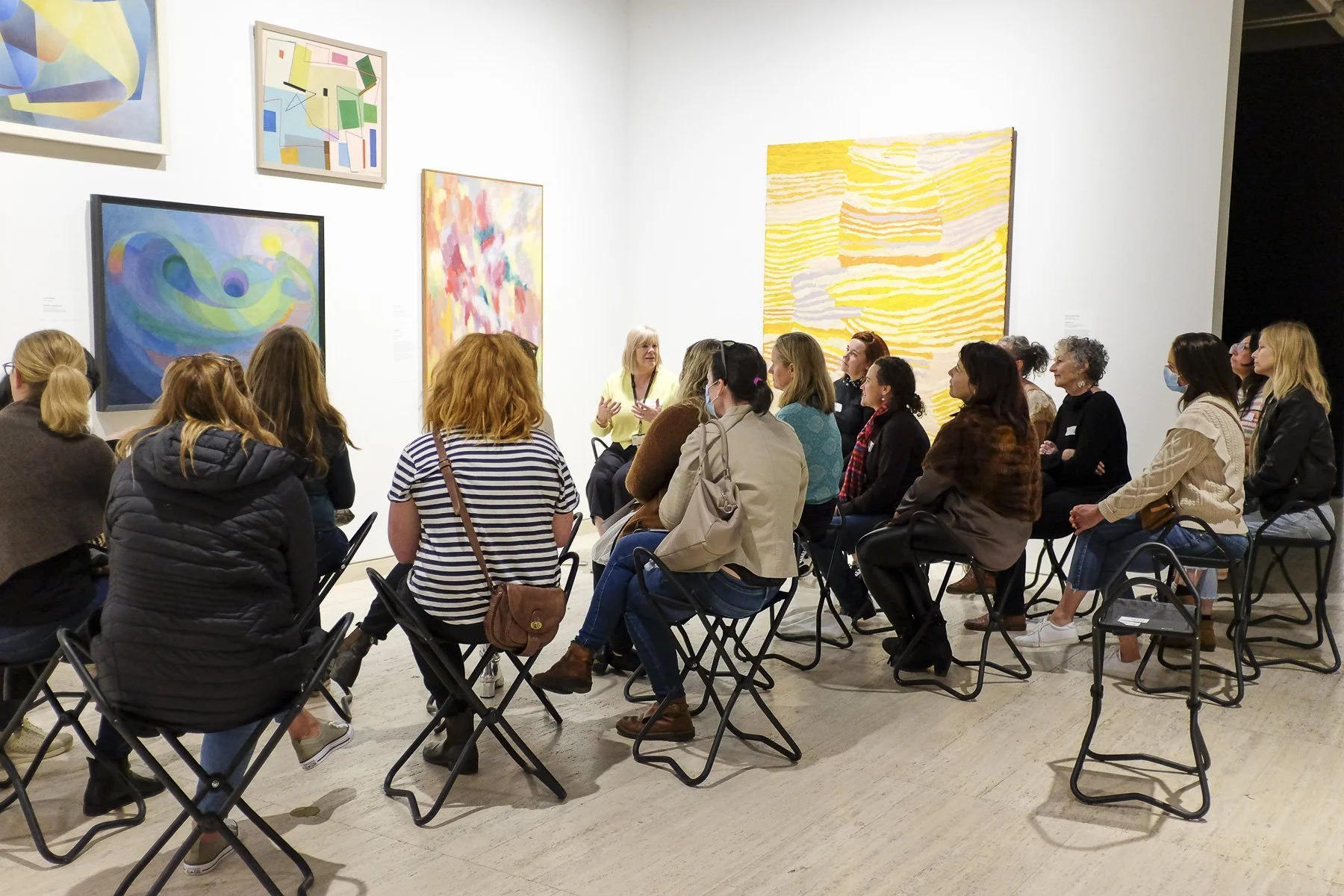
Developed as a partnership between the Art Gallery of New South Wales and the Black Dog Institute, Culture Dose for Kids is an eight-week arts engagement programme for children aged 9 to 12 who suffer from anxiety or have been affected by natural disasters. Believed to be the first programme of its kind, it is offered in a non-clinical setting and provides a safe, structured space for children to engage with the arts while their parents attend parallel sessions. The programme emphasises the calming, meditative aspects of arts engagement, sparks creative ideas, and creates social connections in a peer-group setting that builds self-confidence.
Between 2021 and 2024, Culture Dose for Kids have reached more than 540 parents and children across the Art Gallery of New South Wales and 14 regional galleries. A randomised control trial led by Black Dog Institute found meaningful reductions in anxiety and improvements in social connectedness among participants, with benefits extending to the whole family.
For us at UN Live, these positive outcomes in social connectedness is what makes Culture Dose for Kids significant. The policy brief argues that "the climate crisis reflects not only failures of environmental management and health systems but also a failure of cultural imagination", and that the response requires "community-level cultural interventions that nurture collective resilience, imagination and agency." Culture Dose for Kids shows that of an arts and climate programme backed by clinical evidence directly demonstrating reduced anxiety in children living through climate impacts. Read the full policy brief to discover more about how culture can help build resilience.