Hunting Pollution draws the mural that breathes clean air
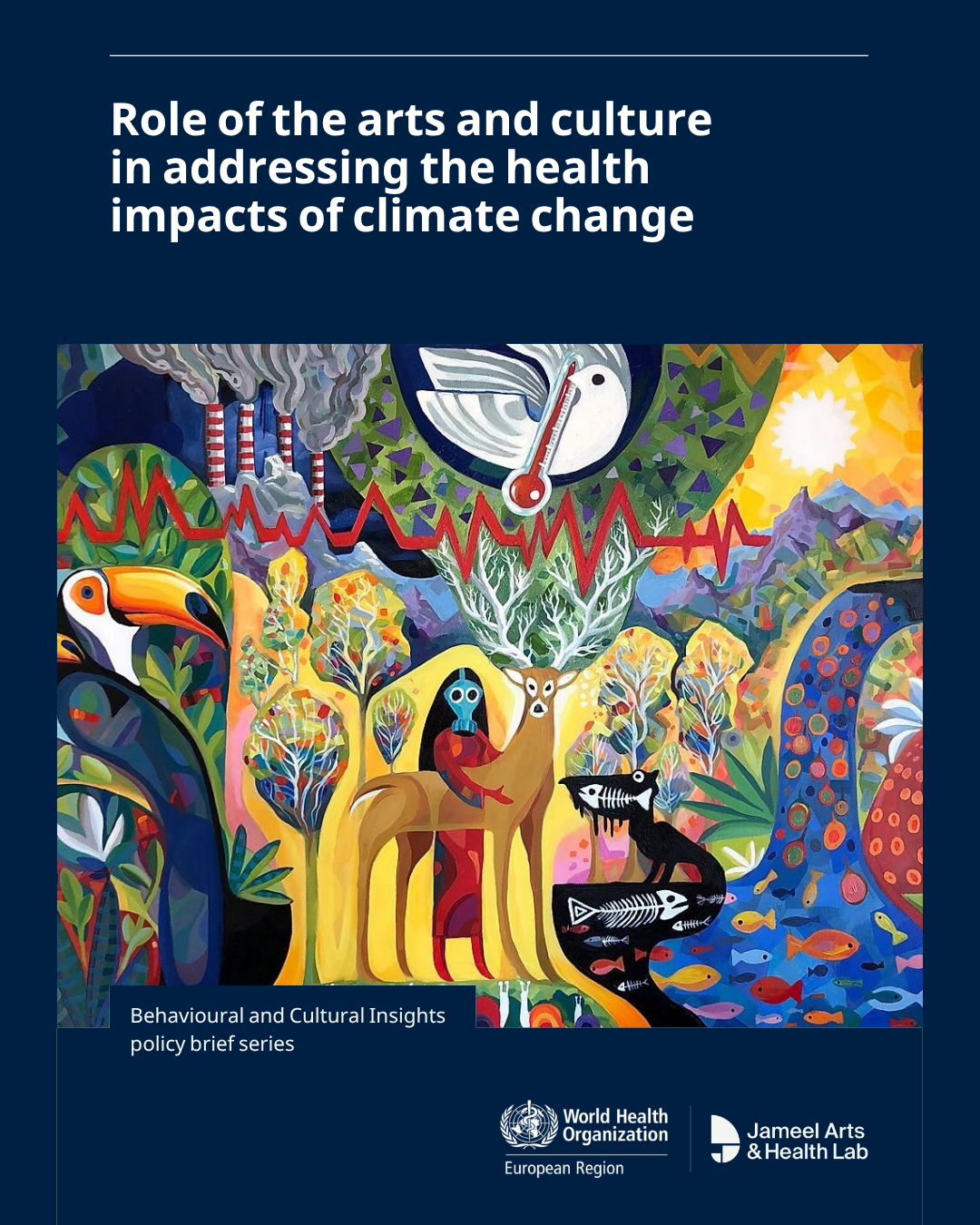
UN Live is excited to feature a series of six case studies highlighted in the policy brief "Role of the Arts and Culture in Addressing the Health Impacts of Climate Change", published by the WHO Regional Office for Europe and the Jameel Arts & Health Lab. The brief explores how arts and culture can help communities respond to the health impacts of the climate crisis and these six initiatives were selected from over 30 projects for the geographic, artistic, and thematic diversity of their impact.
Hunting Pollution draws the mural that breathes clean air
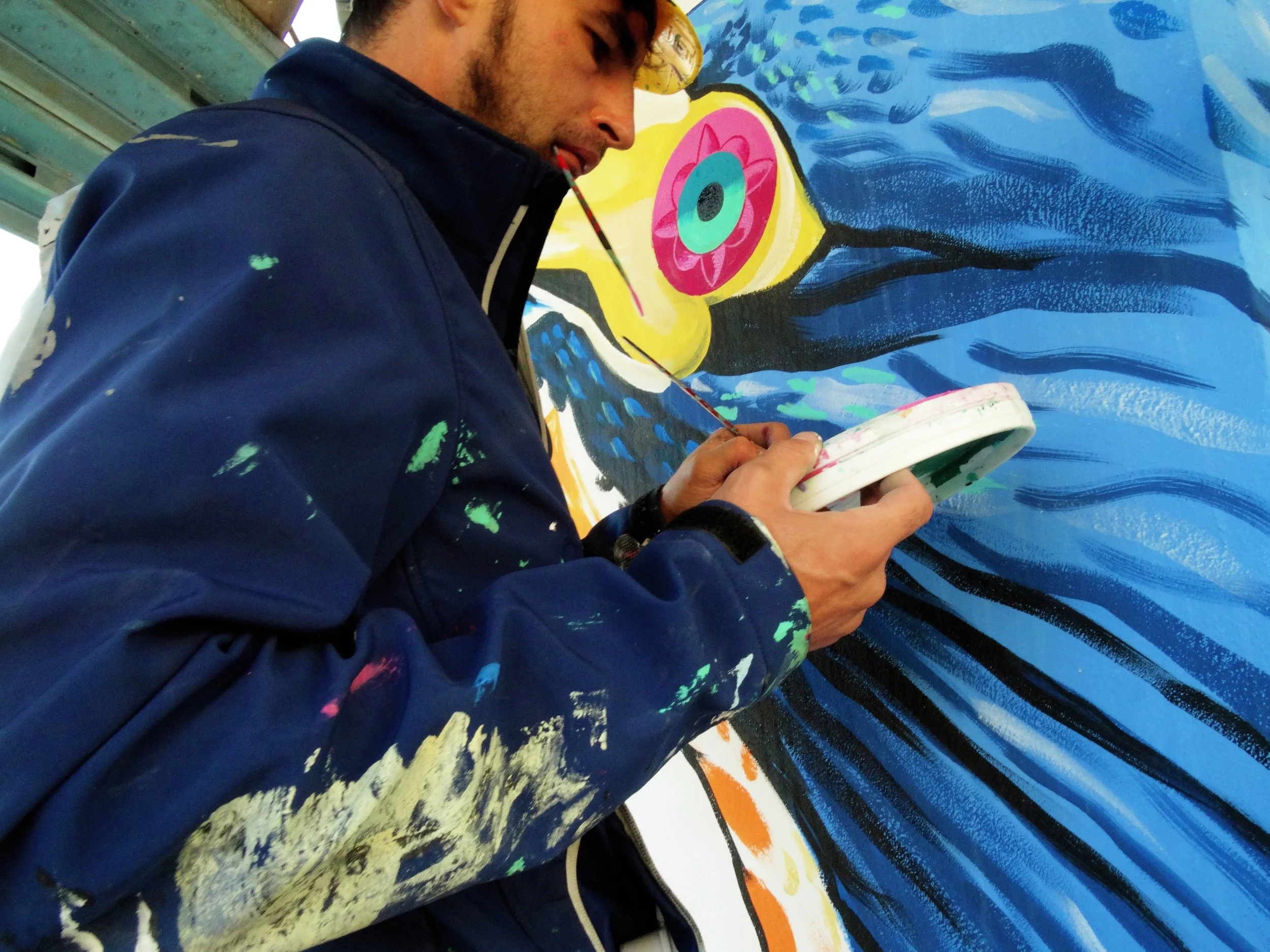
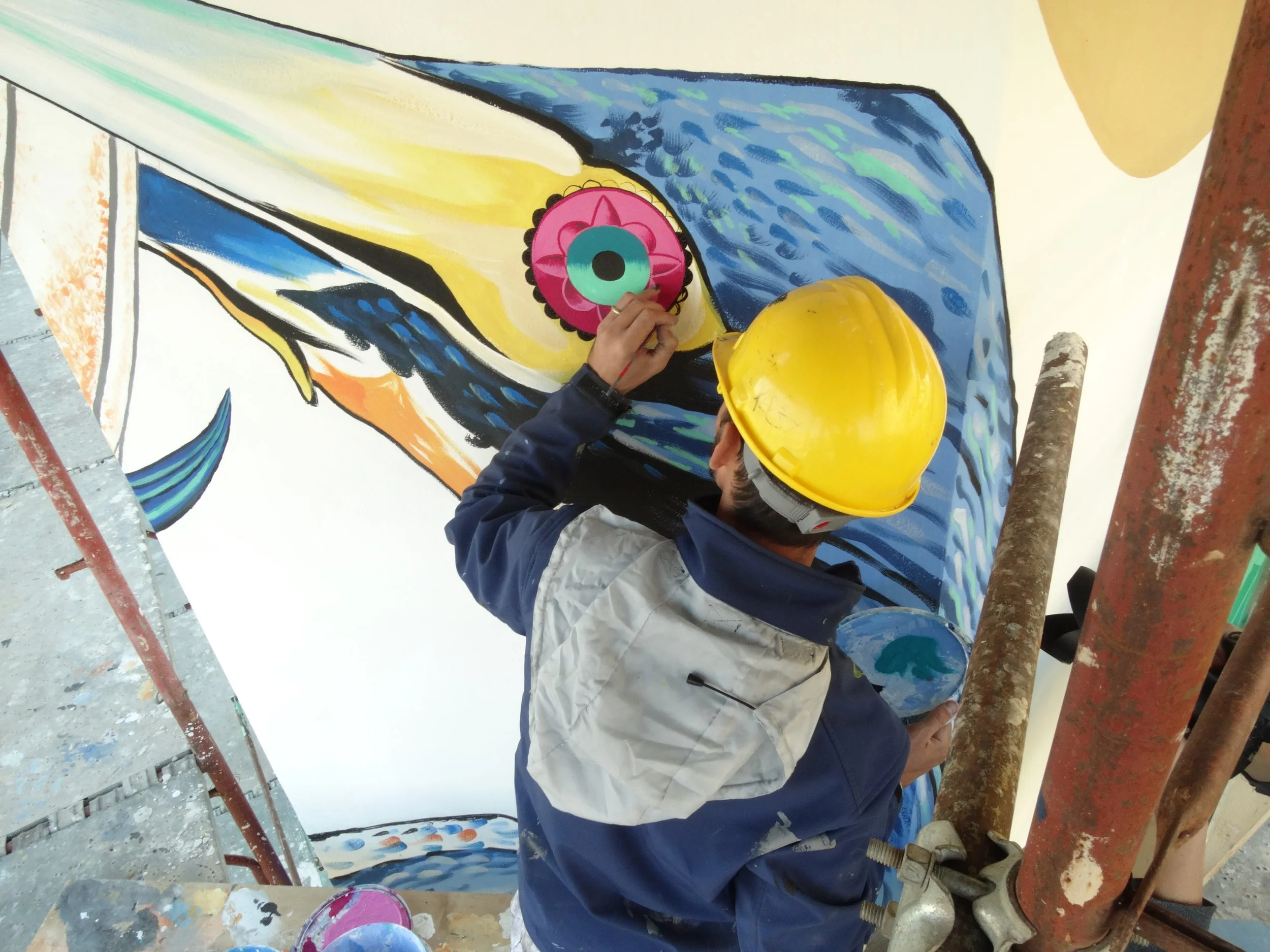
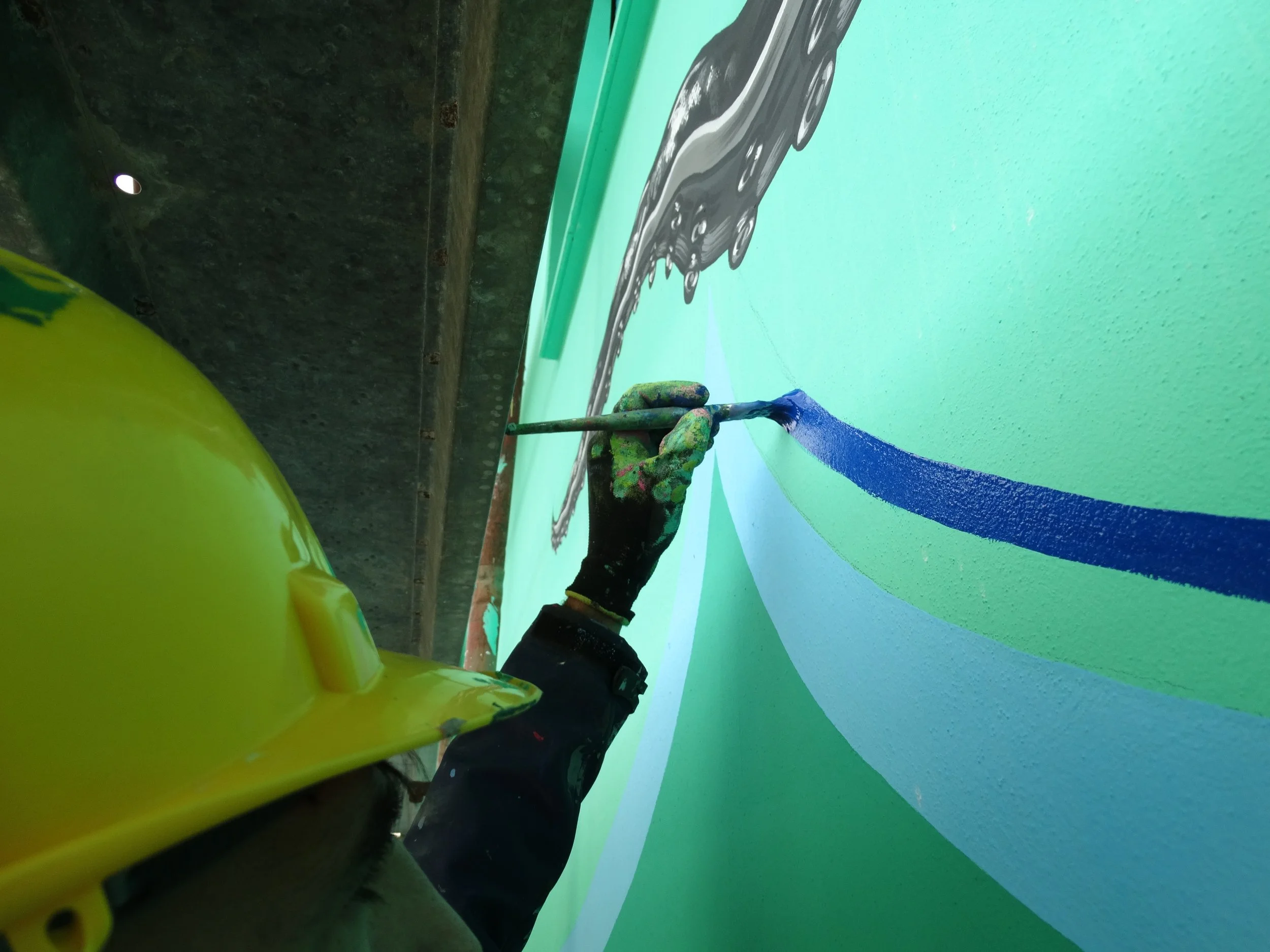
In 2018, in a congested area of Rome's Ostiense district, artist Federico Massa, known as Iena Cruz, completed what would be awarded Europe's largest eco-friendly mural. Towering over a busy street, the artwork was made with paint specifically designed to reduce air pollution. The paint uses photocatalytic processes to reduce combustion-derived pollutants including nitrogen oxides, equivalent to the purifying effect of a forest of over 30 trees. Its development was partially supported by European Union funds for addressing societal challenges and climate change.
Hunting Pollution was created in collaboration with Yourban2030, a non-profit committed to promoting sustainability through art. As the policy brief explains, this is the live result when artistic vision meets cutting-edge science, that art actively works against the climate crisis. The mural raises public awareness about urban air pollution and climate change, while directly addressing the environmental health of the neighbourhood around it.
Beyond the building itself, Hunting Pollution sparked dialogue with municipalities across Italy about integrating green technologies into public art and urban development strategies. Its impact has been documented through environmental measurements, media coverage, and widespread public engagement.
This is the kind of work that reshapes what we think art can do. The policy brief features Hunting Pollution as a powerful example of art that "actively mitigates harm" and shifts norms toward sustainable, equitable futures. As Simon Stiell, UN Climate Change Executive Secretary, puts it in the brief: "In addition to reducing global emissions, arts and culture play a critical role in inspiring people to imagine and realize a low carbon, just and climate-resilient future." Read the full policy brief to see why culture belongs at the heart of the climate-health response.