
Domestic Streamers
Every great initiative starts with a purpose. Can you share what your initiative does, the communities you serve, and why this work matters in today's world?
Synthetic Memories is an initiative by Domestic Data Streamers that preserves personal memories at risk of being lost by transforming oral and written descriptions into dream-like visual images using Generative AI (GEN-AI). Designed for people experiencing memory loss, displacement, or cultural erasure, the methodology combines cognitive psychology, digital humanities, and technology to help individuals reconnect with their past and maintain the continuity of their identity. Through intimate interviews, ethical data practices, and culturally adapted AI models, the project creates "Memory Vectors" that support personal well-being, strengthen communities, and safeguard intangible heritage across the world.
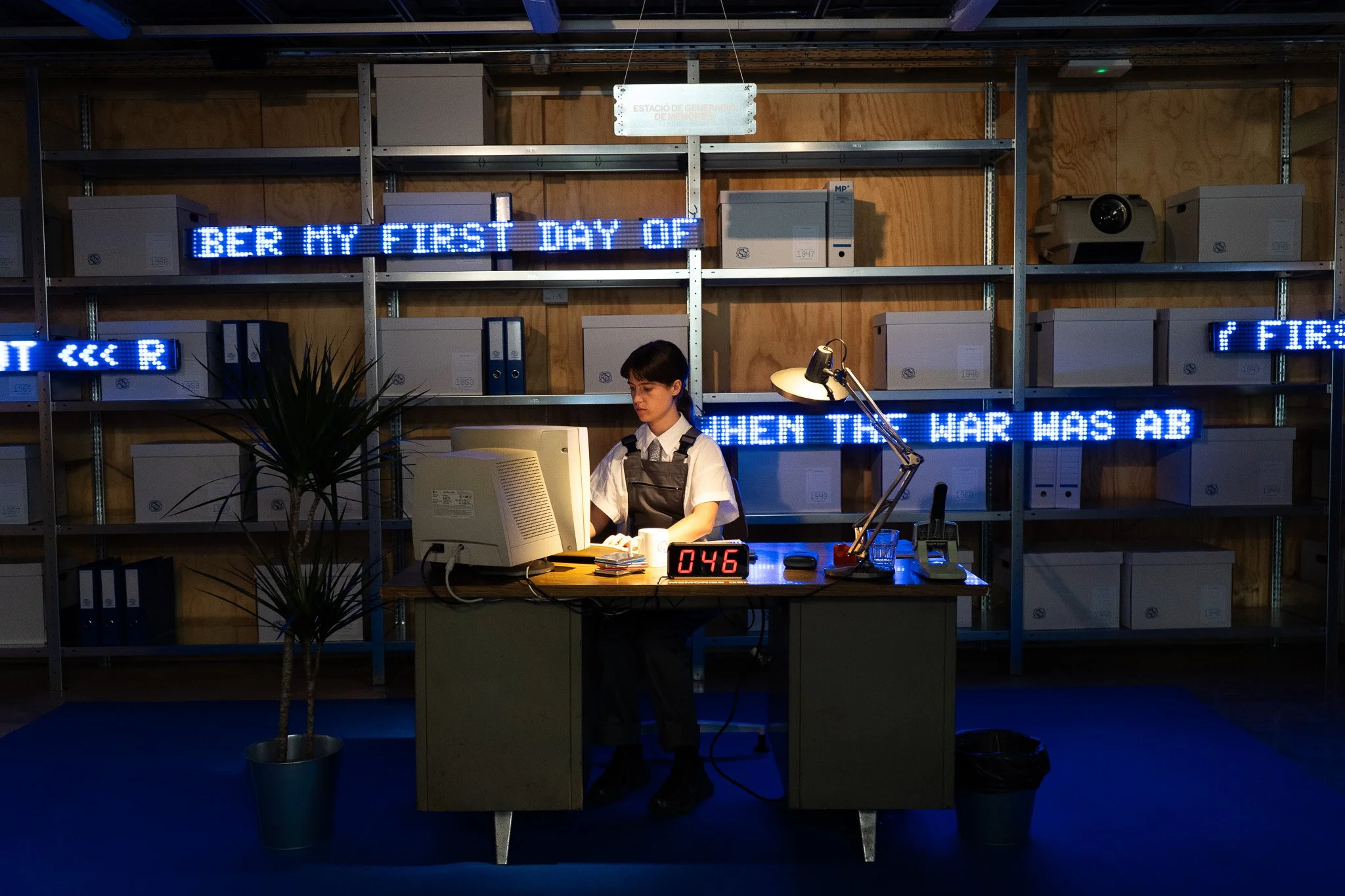
Photo: Citizen Office, Synthetic Memories, Domestic Streamers
We're thrilled to learn more about your work. What does being featured on the 2025 Culture for Impact List mean to you and your initiative? How do you see this recognition supporting your mission or amplifying your impact?
Being featured on the Culture for Impact List would be a profound acknowledgment of the core mission of Synthetic Memories: ensuring that technology serves care, cultural continuity, and human dignity worldwide. This recognition would amplify the voices of the individuals and communities who entrust us with their memories—older adults facing dementia, displaced families reconstructing lost homes, or communities preserving heritage that has never been visually documented or has been lost.
The platform offered by UN Live strengthens the project's ability to demonstrate that AI can be used responsibly, ethically, and humanistically, helping scale our collaborations with cultural institutions, care organizations, and researchers exploring GEN-AI's role in reminiscence therapy, trauma recovery, and cultural preservation. Ultimately, this visibility would enable us to continue reshaping the global narrative around AI—moving it away from efficiency and extraction and toward empathy and collective healing.
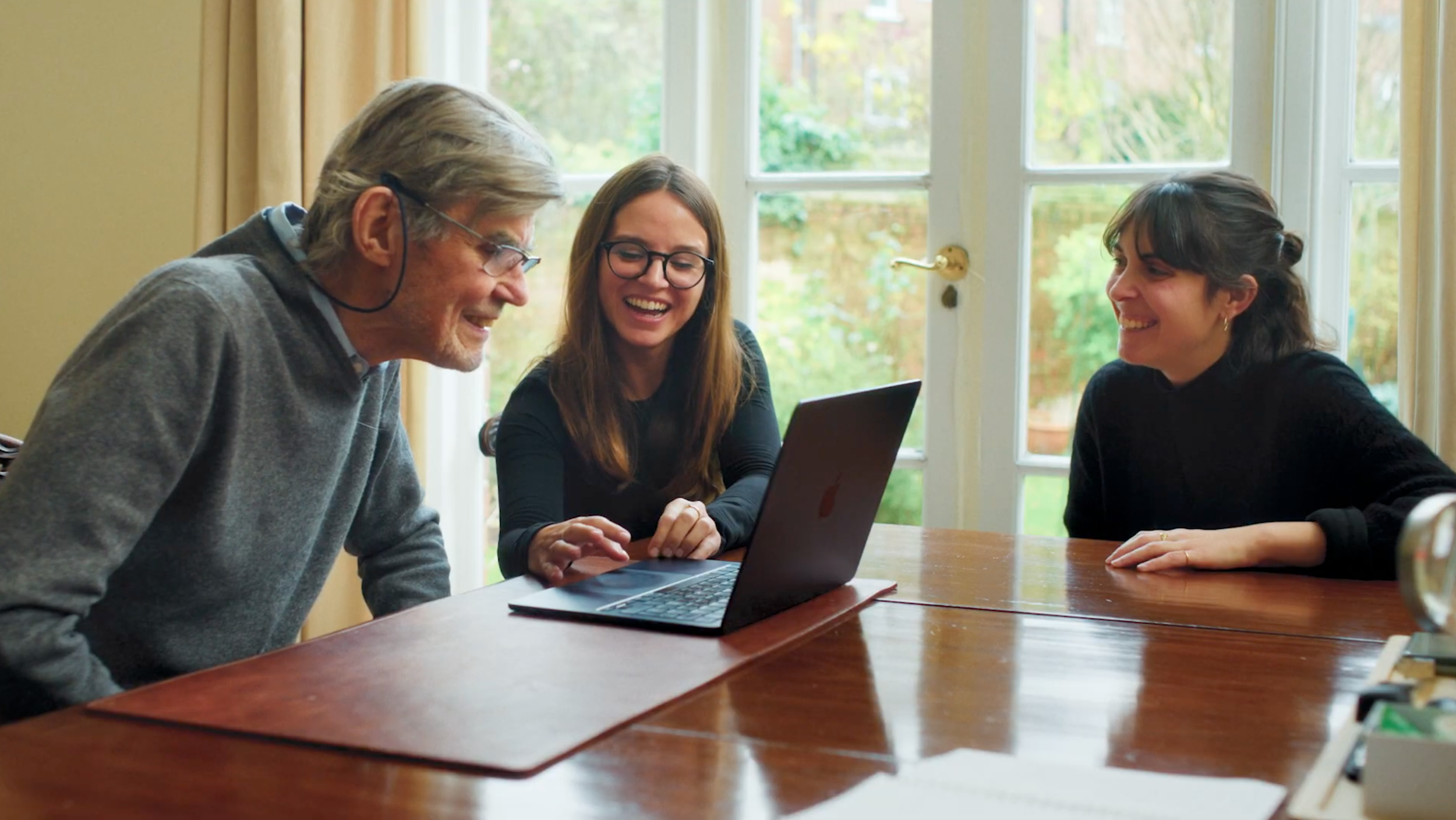
Photo: Synthetic Memories Interview, Domestic Streamers
Let's talk about hope. In your view, what role do arts and culture play in helping people reconnect with a sense of collective possibility? How can creativity and cultural expression encourage communities to imagine and work toward a better future together?
Synthetic Memories was founded on the belief that human beings anchor identity, belonging, and hope in personal and collective memory and storytelling. Arts and culture provide the languages through which these stories can be expressed, reinterpreted, and preserved for the future. They create spaces where individuals feel seen—especially those whose narratives are often absent from official archives.
In our work with migrant communities, people with dementia, and other intergenerational groups, we have seen how cultural expression becomes a catalyst for healing. A reconstructed memory is not only an image: it opens a dialogue between past and future, allowing people to reimagine what is possible. Exhibitions such as the Citizens' Office for Synthetic Memories demonstrated that when personal memories become shared cultural artifacts, communities can recognize themselves in one another and renew a sense of collective possibility.
Creativity invites communities to dream beyond loss—whether the loss is cognitive, physical, or historical. It helps transform fragmented remembrance into shared meaning, reminding people that their stories matter and that the future can be built by learning from these stories, together.
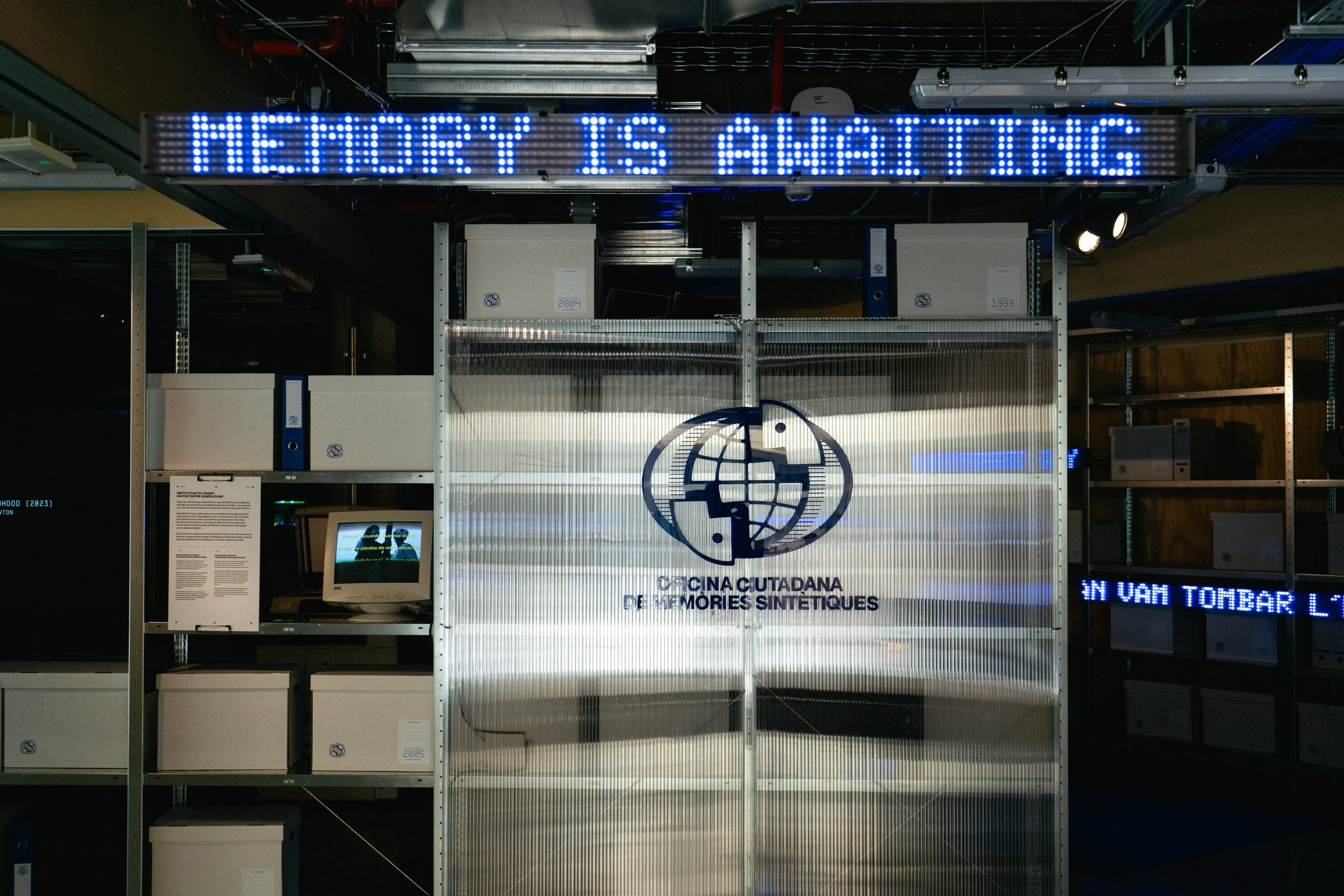
Photo: Citizen Office, Synthetic Memories
What inspired you to use socially engaged arts as a tool for positive change? How did this medium become your way of making a difference in the world?
Our work with Synthetic Memories emerged from questioning the rapid rise of AI and its impact on our relationship with data and information. Instead of accepting narratives that framed AI as either catastrophic or a miraculous fix, we asked a different question: if AI is the answer, what is the question? And how can this technology genuinely serve the common good?
A defining moment came from an experience we had in 2015, when a Syrian grandmother told us her deepest fear was not displacement itself, but that her grandchildren would grow up unmoored from their origins—the food, streets, rituals, and traditions that shaped their identity. That conversation revealed how memory acts as the scaffold of belonging, dignity, and cultural continuity.
From there, we began exploring memory as both an emotional anchor and a vital cultural data source. AI became our medium because it enables the reconstruction of lost or never-documented memories, creating space for stories that would otherwise remain invisible. Through Synthetic Memories, we use AI to counter erasure, amplify underrepresented voices, and spark collective dialogues that repair, reconnect, and preserve. In this form, AI shifts from a tool of efficiency to a tool of care—one capable of fostering empathy, dignity, and visibility.
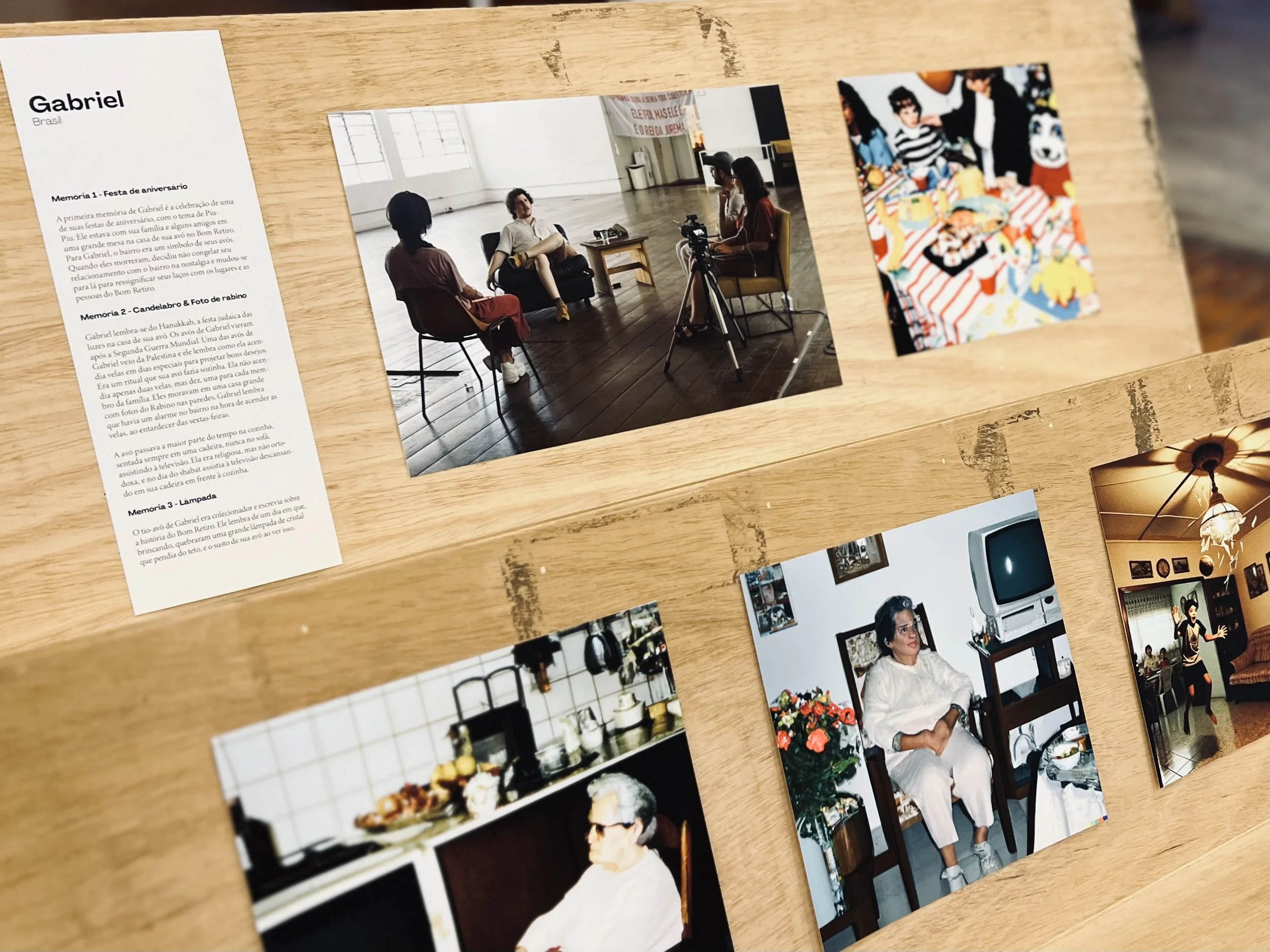
Photo: Synthetic Memories Exhibition, Domestic Streamers
What has the impact of your work looked like? We'd love to hear stories, feedback, or specific moments when you saw your initiative making a real difference in someone's life or in a community.
Across more than 400 participants worldwide, Synthetic Memories has demonstrated emotional, cultural, and social impact at three interconnected levels: personal, community, and societal.
In our first experiment in nursing homes in Barcelona, older adults experiencing memory loss reported improved mood, a renewed sense of identity, and deeper conversations with family and caregivers after seeing their reconstructed memories. The iterative act of recalling, refining, and validating an image became a form of reminiscence therapy—reducing isolation, stimulating communication, and sparking joy.
In 2023, in São Paulo's Bom Retiro neighborhood, migrant communities experienced Synthetic Memories to reconstruct stories of displacement and adaptation. When these memories were exhibited publicly, residents from different backgrounds recognized shared experiences, fostering empathy across generations and cultures.
In 2025, working with Google Arts & Culture, WITS Johannesburg University, and Ndebele artist Esther Mahlangu, we reconstructed six childhood memories that had never been visually documented, allowing her retrospective exhibition to include the origins of her artistic journey. The project also revealed how strongly mainstream AI models reproduce Western aesthetics, underscoring the need for culturally specific fine-tuning.
The Citizens' Office for Synthetic Memories in Barcelona collected 245 memories and welcomed more than 10,900 visitors. It demonstrated that memory reconstruction can operate as a public service—strengthening intergenerational dialogue, AI literacy, cultural continuity, and civic participation.
Across all contexts, the most meaningful impact remains the same: people feel seen. A memory once vulnerable to disappearance becomes a shared cultural artifact, preserving identity and reinforcing the humanity of those who carry it.
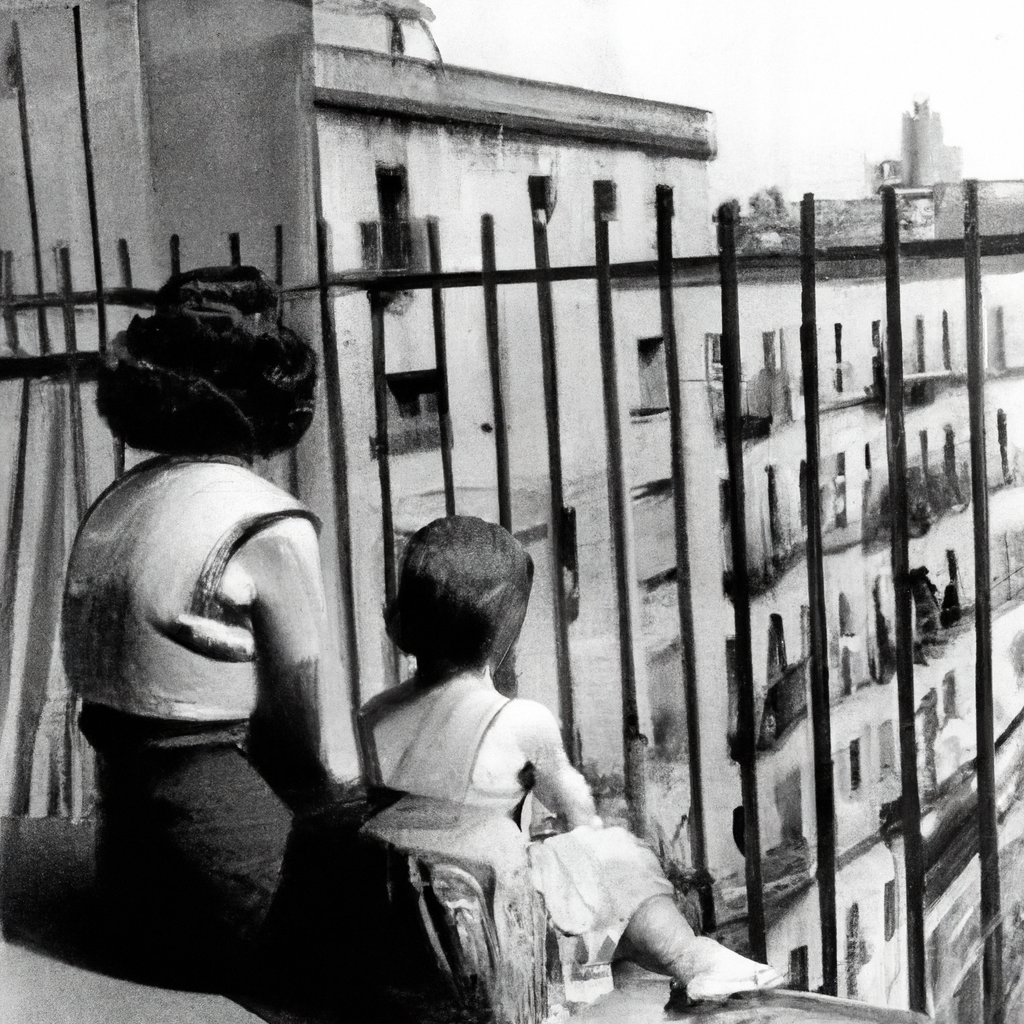
Photo: Painting, Domestic Streamers
One of the latest memories we reconstructed came from a victim of 2024's floods in Valencia, Spain. She chose to visualize the ravine where she used to walk her dog every afternoon, often meeting neighbors along the path. The floods took everything away. In the reconstructed image, only the eucalyptus tree remained—a quiet symbol of resistance, and of the memories that endure even when the landscape does not.
What do you hope others can learn or take away from your initiative? Are there key approaches, values, or insights that you believe could inspire others to create change through culture?
We hope others take away that technological innovation, together with arts, can be rooted in care, dignity, and cultural preservation. Synthetic Memories shows that AI does not have to distance us from human experience; when guided by ethics, critical reflection, and deep listening, it can help people feel more connected to themselves and to one another.
One of the most transferable lessons is that technology should follow people's stories—not the other way around. Our methodology places the interviewer and prompter in a shared act of listening, interpreting, and co-creating, reminding us that meaningful innovation begins with human relationships. Equally essential is the ethical rigor behind every interaction—emotional safety is not a technicality but a foundation. It builds the trust required for any cultural or community-based initiative to thrive.
We also hope others see the power of cultural specificity. By fine-tuning our models with local archives and collaborating with community experts, we've learned that inclusive technologies must adapt to context rather than impose a universal visual language.
Ultimately, our wish is that others feel inspired to use arts and technology as tools to preserve stories that might otherwise disappear, enabling communities to reclaim, reinterpret, and share the narratives that define who they are.
At UN Live, we aim to harness culture as a force for empathy and collective action. Looking at your work, how do you think popular culture platforms can inspire people — not only to care about the planet, but to take meaningful, connected, and concrete action?
Popular culture has the power to transform private experiences into collective meaning. When stories circulate through museums, films, social media, or public programs, they shape how societies imagine themselves and what they feel responsible for.
Synthetic Memories shows that when personal narratives—of migration, memory loss, or historical moments—are made visible through artistic and technological platforms, people are moved not only to empathize but to engage. Exhibitions such as the Citizens' Office of Synthetic Memories in Barcelona created spaces where audiences could reflect on aging, displacement, heritage, and AI ethics through the lens of real human stories, prompting discussions about community care, cultural preservation, and the responsible use of technology.
Popular culture platforms can inspire action by making global challenges intimate and relatable. When people see themselves—or people like their neighbors—reflected in these narratives, responsibility becomes shared rather than abstract.