
Sunshine Cinema
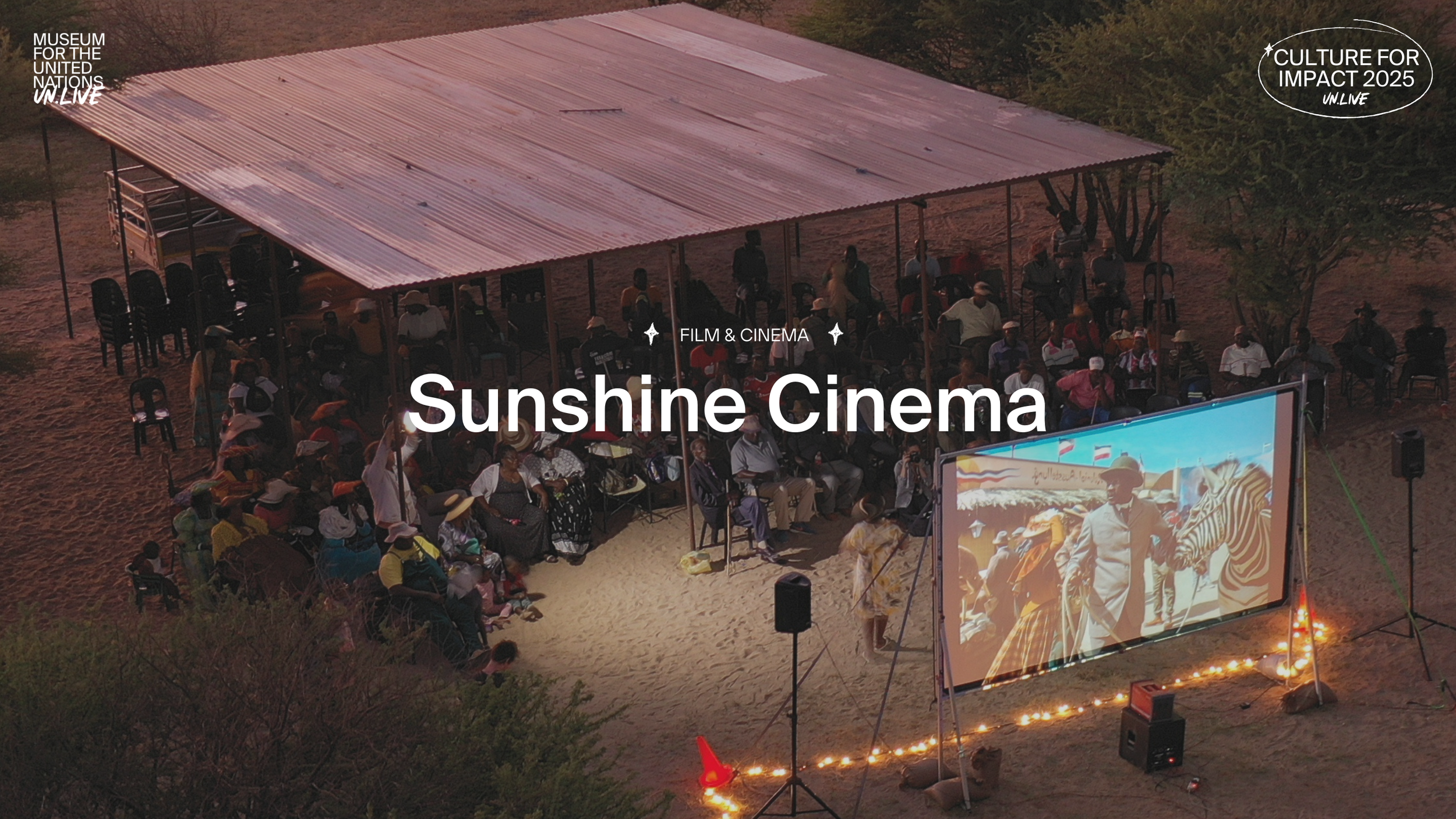
Photo: Sunshine Cinema
Every great initiative starts with a purpose. Can you share what your initiative does, the communities you serve, and why this work matters in today's world?
Sunshine Cinema is a youth-led media organization that uses the power of film to spark dialogue, inspire action, and connect communities across Southern Africa. Through our network of trained Sunbox Ambassadors—young people equipped with solar-powered mobile cinemas—we bring African stories to under-resourced communities, creating accessible spaces for learning, reflection, and collective problem-solving. Our screenings focus on issues ranging from climate justice and gender equality to civic engagement and mental health. By pairing film with facilitated discussions and practical resources, we help communities imagine new possibilities and empower young leaders to catalyze meaningful, locally rooted change.
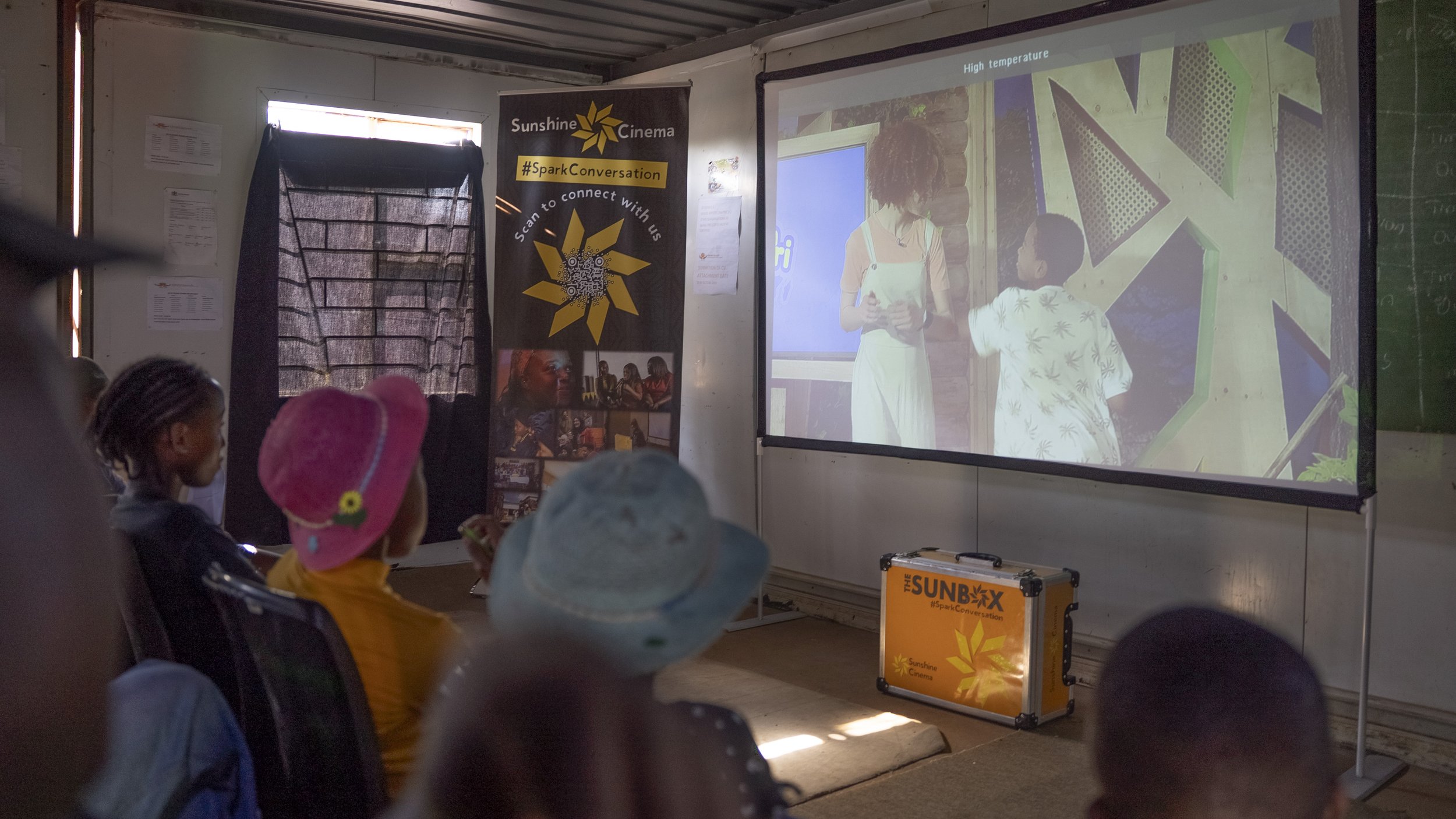
Photo: ©KamvaStemela, Disney Orange Farm, Sunshine Cinema
We're thrilled to learn more about your work. What does being featured on the 2025 Culture for Impact List mean to you and your initiative? How do you see this recognition supporting your mission or amplifying your impact?
Being recognized by UN Live as part of the 2025 Culture for Impact List is a validating moment for our team and our facilitators. Much of our work happens in rural and peri-urban spaces that are often overlooked in global cultural conversations, so this recognition affirms that the voices and stories emerging from these communities matter on an international stage.
This feature will support our mission by amplifying the reach of African grassroots storytellers, strengthening our partnerships, and helping us resource the next generation of media activists. It offers an opportunity to share our methodology—youth leadership, mobile solar cinema, and community-driven dialogue—with a wider audience that believes in culture as a catalyst for change. Most importantly, it affirms that creativity and social justice are inseparable, and that community-centered cultural work deserves to be celebrated and supported.
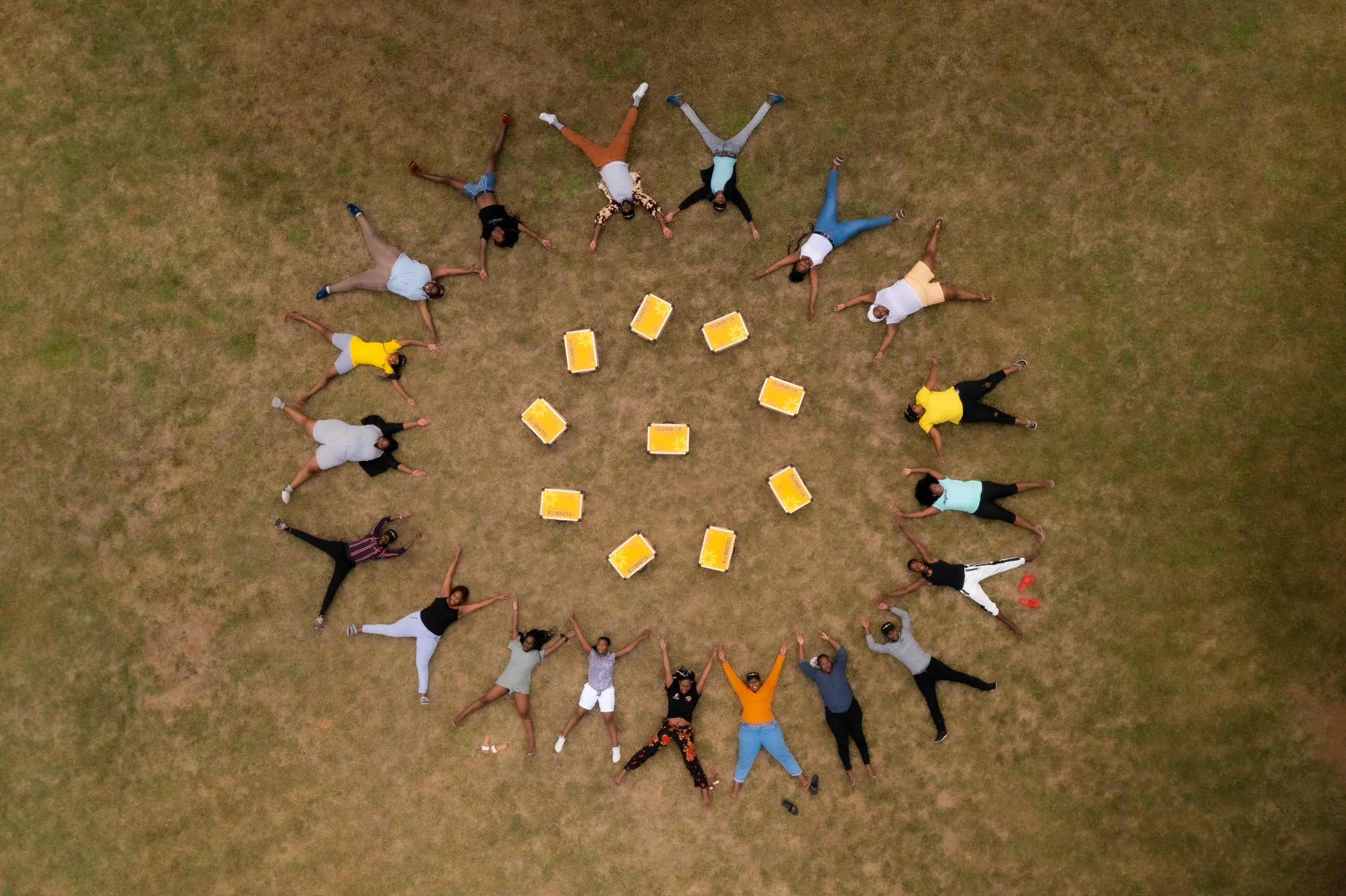
Photo: Sunshine Cinema
Let's talk about hope. In your view, what role do arts and culture play in helping people reconnect with a sense of collective possibility? How can creativity and cultural expression encourage communities to imagine and work toward a better future together?
Arts and culture have a unique ability to open emotional pathways that data and policy rarely reach. They allow people to see themselves reflected, to feel less alone, and to imagine alternatives to the systems that shape their daily lives. In contexts where communities face chronic uncertainty—economic, environmental, political—creative expression becomes a form of collective breathing space.
Cinema, in particular, creates shared experiences in which people can process complex issues together, not in isolation. It helps transform fear into agency and turns passive spectators into active participants in shaping their futures. Cultural experiences also build bridges across differences: they invite empathy, spark curiosity, and create room for healing.
When communities are given opportunities to create, co-create, and witness culture that resonates with their lived realities, hope shifts from something abstract to something felt and actionable. Creativity becomes a rehearsal for the future—a space where people can practice imagining, debating, and building toward new possibilities together.
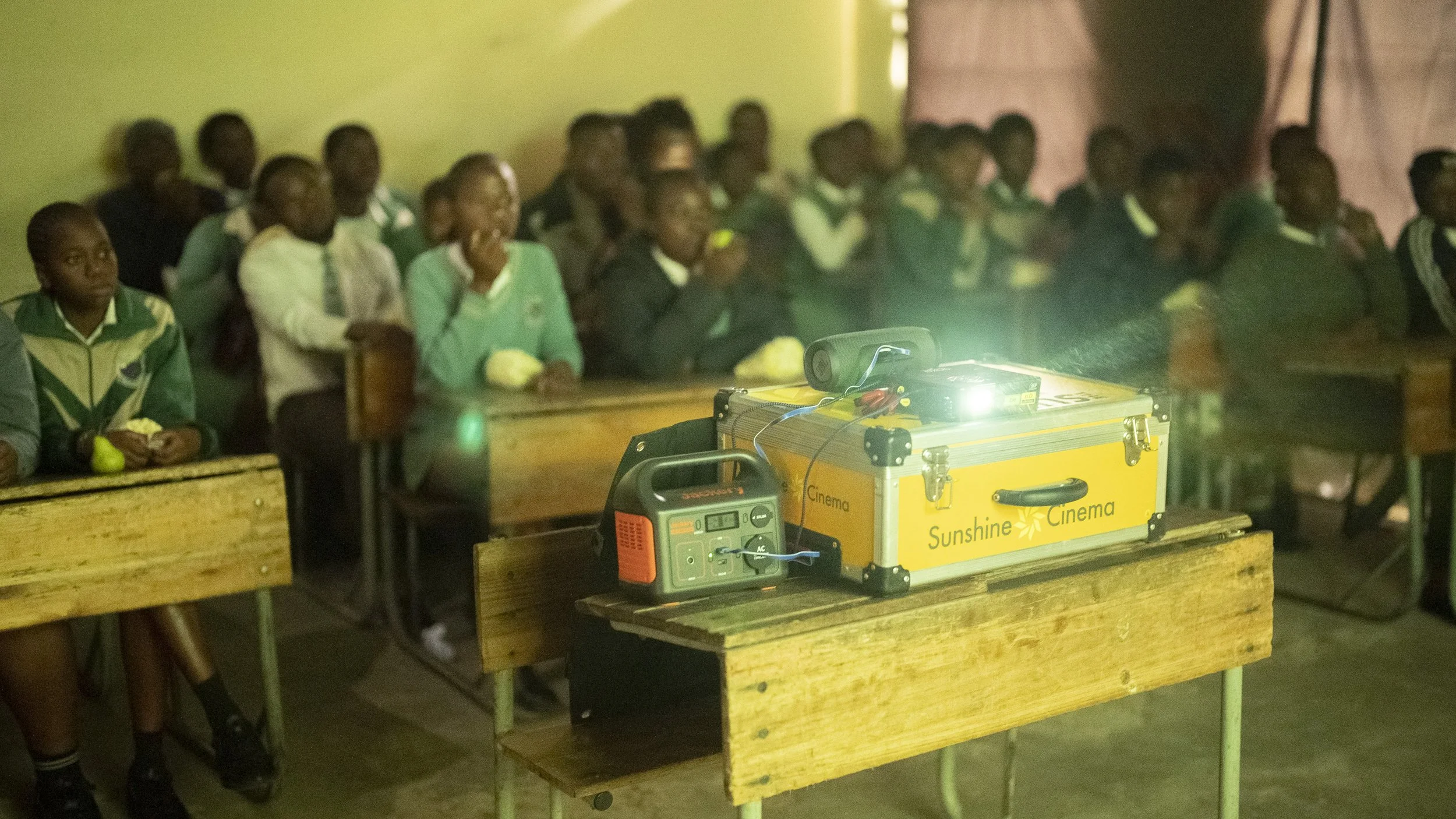
Photo: Makhulu, Sunshine Cinema
What inspired you to use socially engaged arts as a tool for positive change? How did this medium become your way of making a difference in the world?
Cinema has always been a powerful entry point for dialogue. It's accessible, emotional, and deeply communal—people gather around stories the way they gather around meals or music. For us, using cinema as a tool for social change emerged from recognizing how many incredible African stories remain unseen or unreachable due to economic and infrastructural barriers.
I was inspired by the way a single screening could shift a conversation, spark a sense of belonging, or help someone articulate an experience they had never had language for. Film allows people to connect across geography, culture, and lived experience. It became clear that portable, solar-powered cinema could turn storytelling into a mobile form of activism—one that meets people where they are, without requiring them to travel, pay, or already feel included.
Over time, the medium of cinema has become our way of nurturing youth leadership, building safe spaces for dialogue, and ensuring that African communities don't just consume culture but actively shape it.
What has the impact of your work looked like? We'd love to hear stories, feedback, or specific moments when you saw your initiative making a real difference in someone's life or in a community.
From August 2021 to November 2025, Sunshine Cinema delivered over 1,000 film screenings across Southern Africa through its solar-powered mobile cinema network. These screenings reached more than 50,000 audience members and were facilitated by over 100 trained youth facilitators equipped with Sunbox mobile cinema kits. During this period, facilitators earned over R2 million in gig-based income, reflecting the organization's focus on youth employment and economic inclusion through creative and community-driven work.
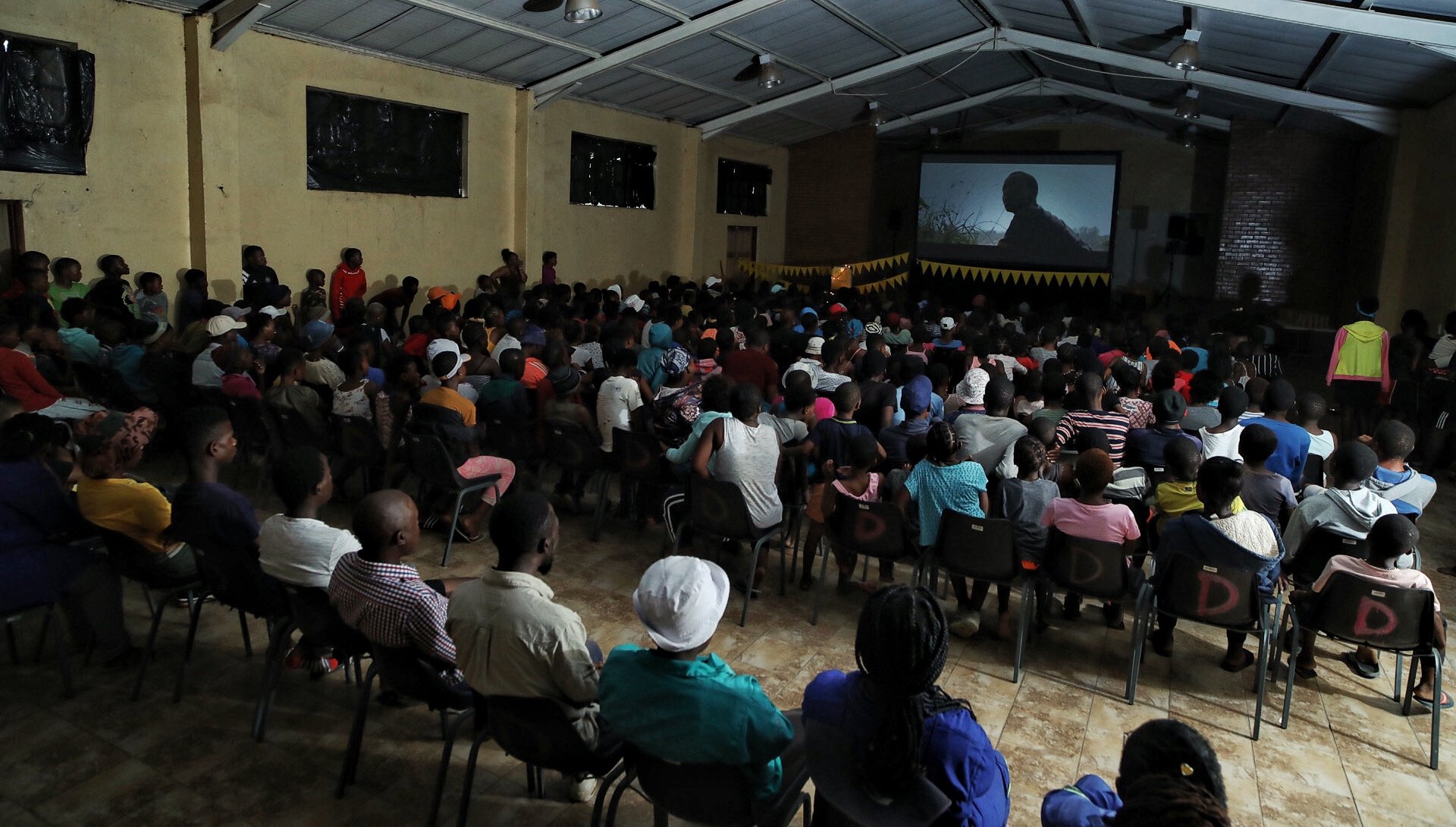
Photo: Makhulu, Sunshine Cinema
Sunshine Cinema operates across South Africa, Zimbabwe, Mozambique, and Eswatini, with 35 mobile cinema units active in the field. Screenings are delivered in both rural and peri-urban communities, supported by partners across media, conservation, development, and civic engagement sectors. Each event combines film with facilitated dialogue, creating accessible platforms for audiences to explore topics such as climate resilience, gender equity, civic participation, and youth livelihoods.
Across the multi-year dataset, the reach and activity of the program demonstrate Sunshine Cinema's ability to scale community engagement and youth employment through mobile cinema. The consistent delivery of screenings, the geographic spread of operations, and the income earned by facilitators provide measurable evidence that film-based engagement can serve as a practical, sustainable tool for local participation and economic opportunity.
What do you hope others can learn or take away from your initiative? Are there key approaches, values, or insights that you believe could inspire others to create change through culture?
Sunshine Cinema demonstrates that accessible, mobile, and community-rooted cultural experiences can support both social dialogue and youth livelihoods. Our model shows that meaningful impact can be achieved by combining three elements: local relevance, youth leadership, and sustainable tools such as solar-powered cinema units. Through multi-year implementation across Southern Africa, the work highlights the value of training young people with practical facilitation, media, and entrepreneurial skills—enabling them to earn income while leading conversations that matter in their communities.
Others may take away that cultural interventions do not need large infrastructures to be effective; they can be shaped around existing community spaces, delivered by trained local facilitators, and aligned with issues identified by audiences themselves. The approach reinforces the importance of investing in capacity-building, creating work opportunities in the creative economy, and using culturally resonant film content to prompt reflection and participation. These principles can inspire similar initiatives seeking to activate culture as a tool for dialogue, inclusion, and community-led change.
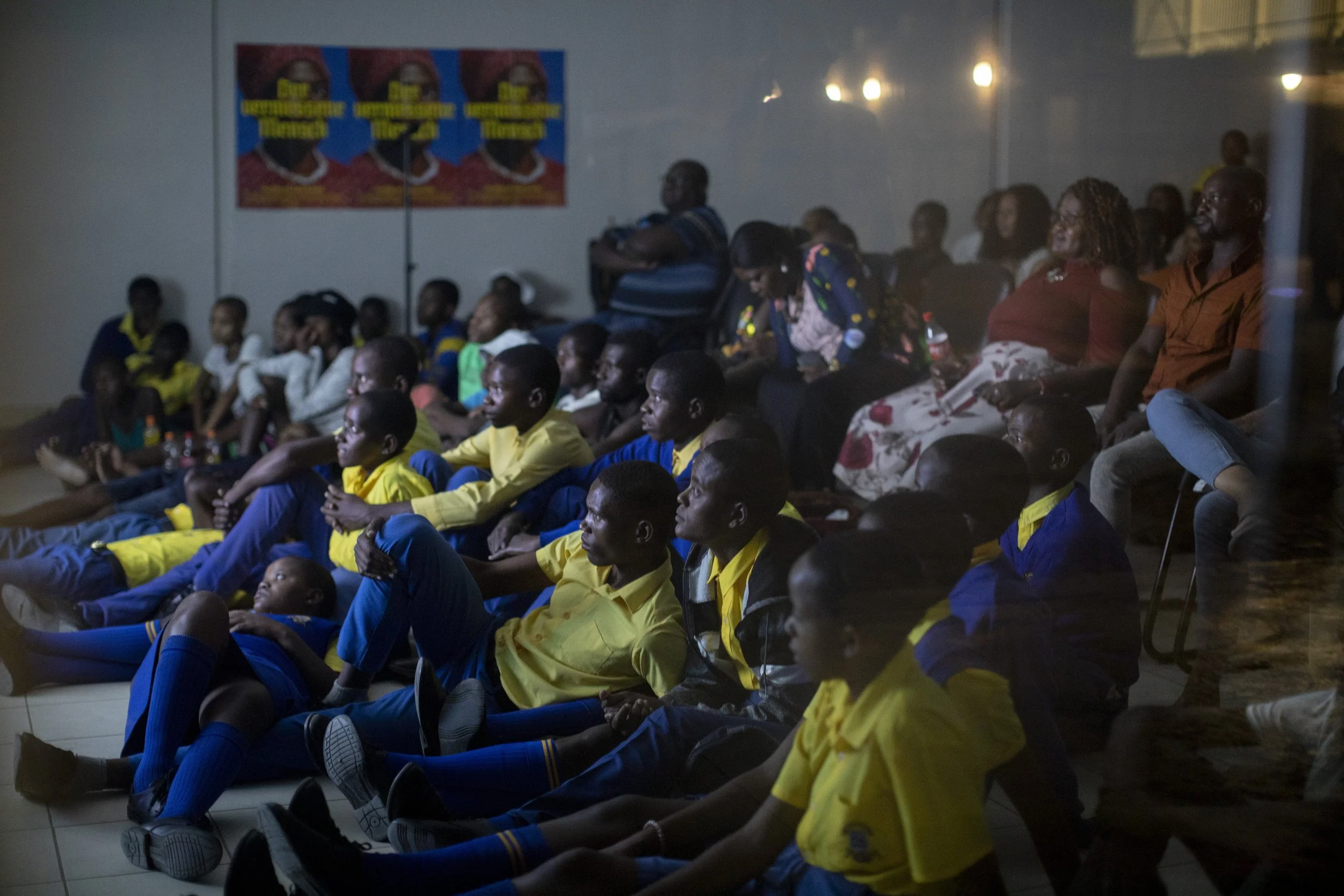
Photo: ©SWS, Measures of Men, Sunshine Cinema
At UN Live, we aim to harness culture as a force for empathy and collective action. Looking at your work, how do you think popular culture platforms can inspire people — not only to care about the planet, but to take meaningful, connected, and concrete action?
Sunshine Cinema's work shows that popular culture platforms—especially film—can create shared entry points into complex issues by making information accessible, relatable, and emotionally engaging. When screenings are paired with facilitated discussions, they help audiences connect personal experiences to broader environmental and social challenges, creating space for informed reflection and local action.
Popular culture can also widen participation by reaching audiences who may not typically access formal civic or environmental programs. Mobile cinema allows stories to travel directly into rural and peri-urban settings, where youth facilitators lead dialogues that encourage communities to consider practical actions—whether related to conservation, democratic participation, or social wellbeing.
By combining storytelling with structured engagement, popular culture platforms can move people from awareness to agency. They can demonstrate real examples of resilience and problem-solving, highlight local voices, and build community confidence to take small but meaningful steps. In this way, culture becomes a bridge between care, understanding, and collective action—helping people see both the importance of the issues and their own capacity to respond.