Natalie Karpushenko on how beauty in photography can be a form of activism
In The Shift, UN Live speaks with leading thinkers about how music, art, media and everyday cultural spaces — from stadiums to dinner tables — can become stages for connection, empathy and collective action.
Natalie Karpushenko is a Kazakhstan born art director who combines her love for travel and photography into an established artistic practice. In her work, she captures the union of the human within nature and nature within the human — blending intention, intuition and magic.
In this Q&A, UN Live’s Creative and Digital Content Lead, Oda Almgren Lind, speaks with Natalie about the power of photography in conveying hope and activism through beauty, the deep kinship between women and water and how a single image can turn abstract environmental crises into personal calls to care.
Oda: You’ve spoken about encountering plastic pollution while travelling and photographing the ocean. Was there a particular moment underwater or an image you took when you realised photography could become more than an artistic practice but a means to change how people relate to the living world?
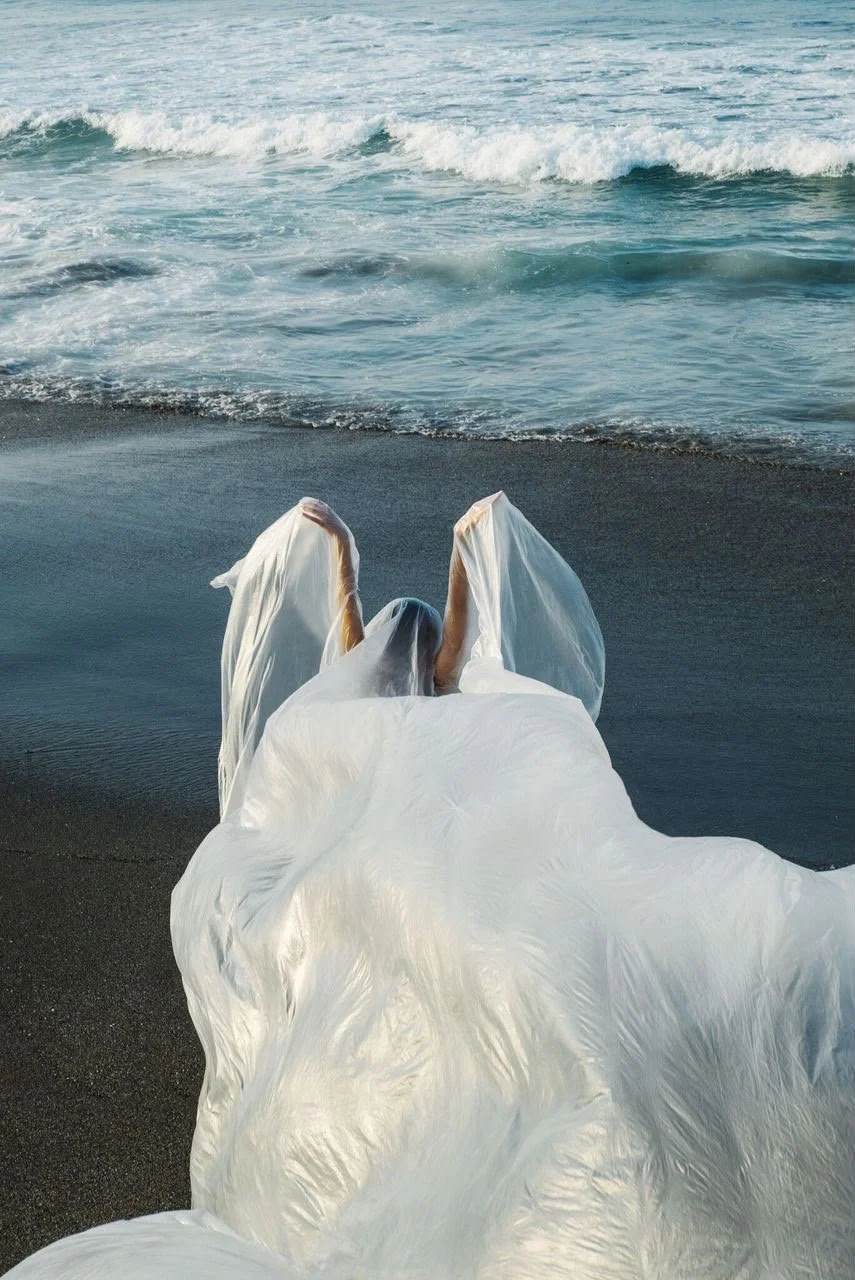
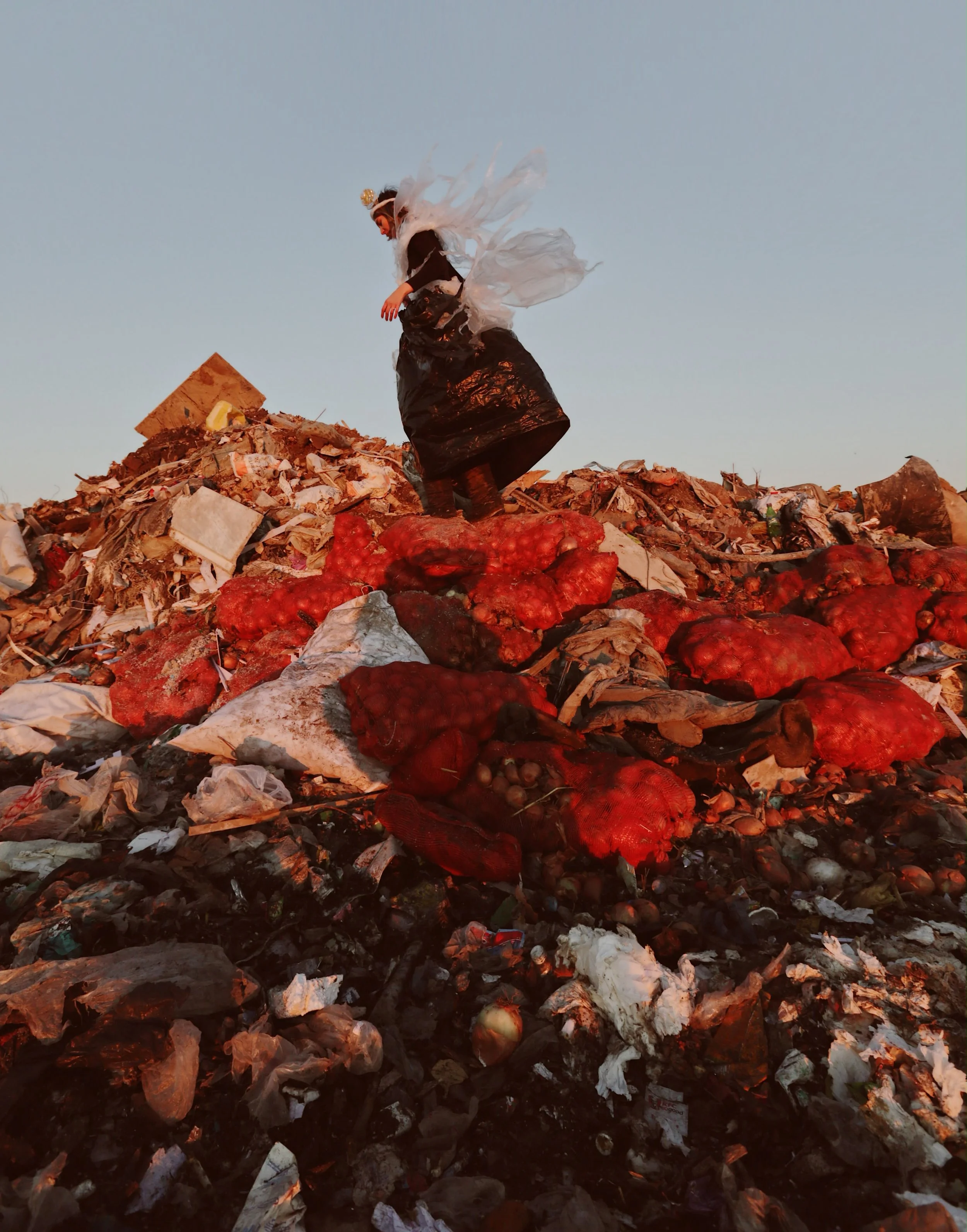
Natalie: Yes, I think the turning point came when I started travelling extensively and joining whale expeditions. I went to the Azores, Tonga, São Tomé and Príncipe, Mauritius — places where I spent a lot of time in the ocean and around marine life. I remember being in Tonga on an uninhabited island and seeing that even this incredibly remote and untouched place was covered with plastic that was carried there by the ocean. I found a large piece of plastic on the shore and I started carrying it with me and using it in my photographs.
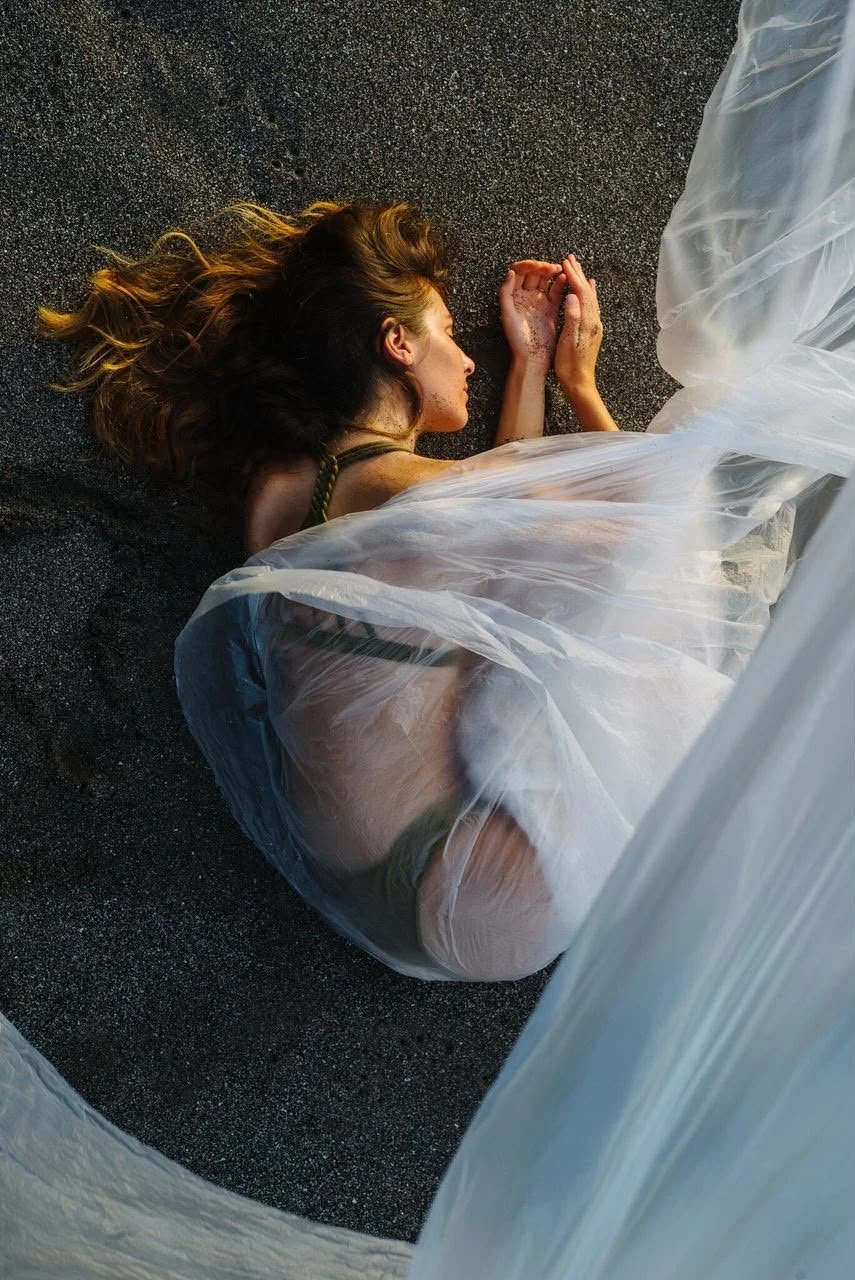
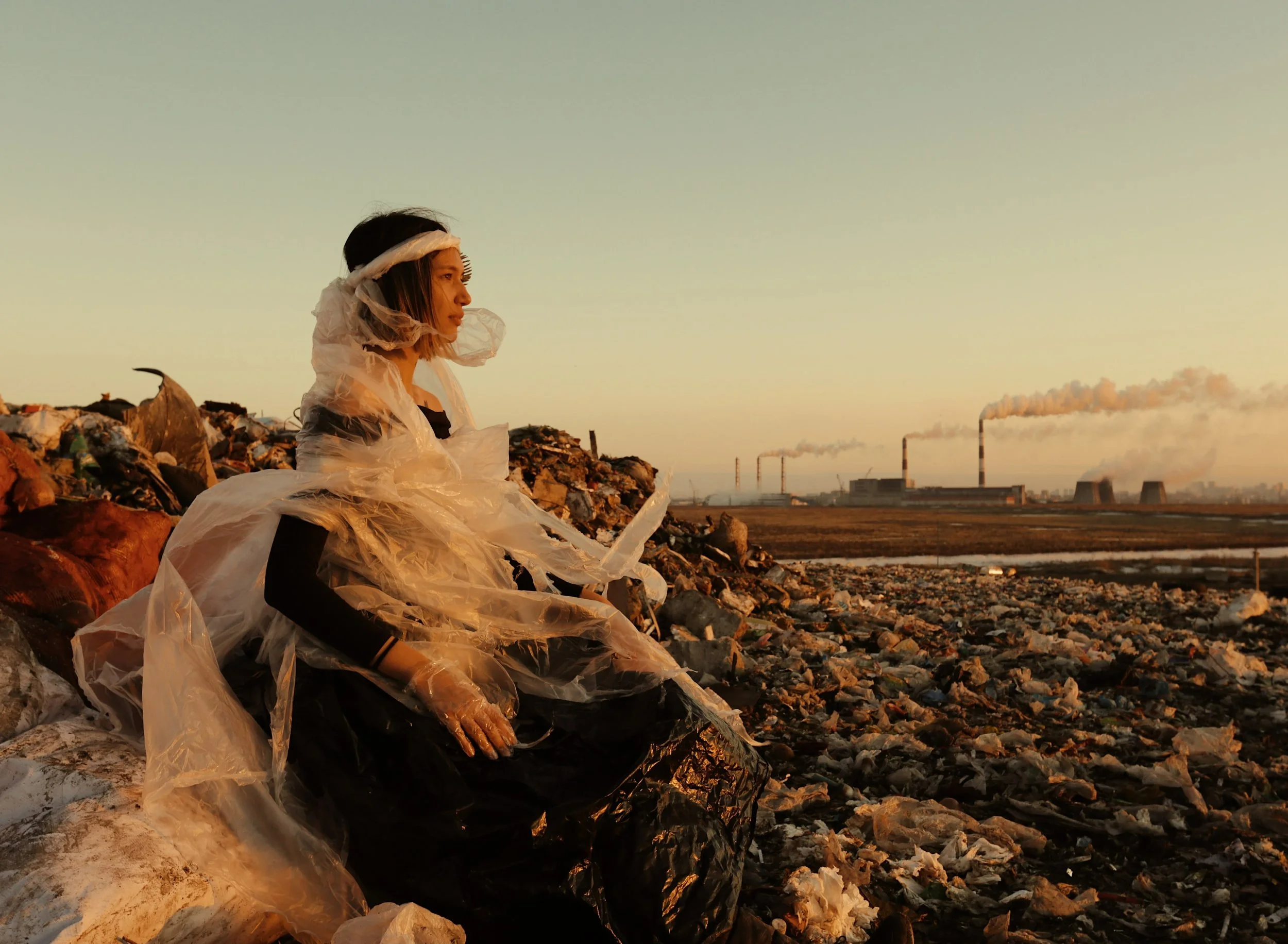
I began photographing women wrapped in this piece of plastic. For me, it became a symbol of something very simple: we all enter this world naked, and animals do too. But this is what humanity has added to nature — something artificial, persistent and deeply harmful. That was when I realised that photography could do more than create a beautiful image. It could make people stop, feel something and perhaps see an environmental problem differently.
I worked extensively with this idea between 2017 and 2019, creating a series of photographs about plastic and the ocean. Eventually, I turned the project into an interactive exhibition in Seoul, where visitors were invited to write down one small habit they could change in their everyday lives — one way they could show their love for the planet. And that became very important to me.
We often feel that environmental problems are so enormous that there is nothing we can do as individuals. But I believe change can begin with very small choices. If a million people decide not to buy a single-use plastic bottle every day and instead carry a reusable one, those small actions become a very big change. For me, that is what photography can do: it can turn a huge, abstract problem into something personal and remind people that they are not powerless.
Oda: Even when you photograph environmental destruction, your images remain strikingly captivating. You have mentioned that people often turn away from negativity while beauty — in the form of love, connection, vulnerability — can draw them closer. Do you use beauty as a form of activism in your work?
Natalie: Yes, absolutely. I don’t really like watching films or looking at images that only tell us, “Everything is bad, everything is dying.” I think we always need to leave people with some hope — some feeling that a positive outcome is still possible. That’s why I like using beauty in my work. Sometimes I use the female nude simply because it attracts attention. You see a beautiful woman, you stop and look, and then you notice the plastic. And you start thinking, “Okay, what is this actually about?” Then you realise that the meaning is completely different. It’s not about sexuality at all. It’s about nature, about plastic and about what we are doing to the world around us. And I think this can bring a different audience into the conversation — people who might not normally pay attention to environmental issues. So yes, for me, beauty can definitely be a form of activism. It gets people to stop, look closer, and become curious. And once they are curious, they might start thinking differently. I don’t want to frighten people. I want to make them care.
Oda: Have you ever witnessed an image leave the frame and enter someone’s life — changing what they cared about, talked about, or ultimately did? Was there a moment that made you realise an image could become an action?
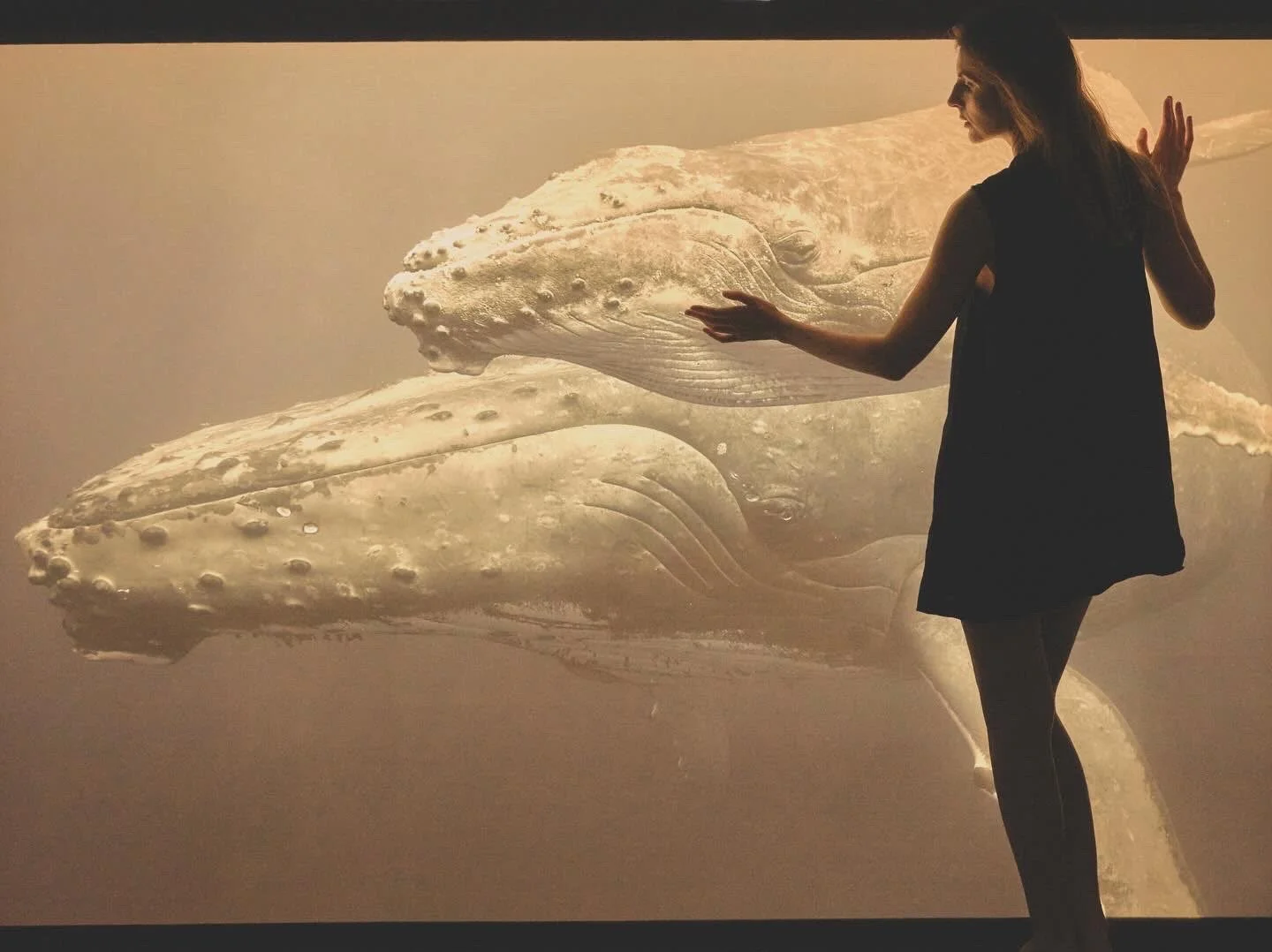
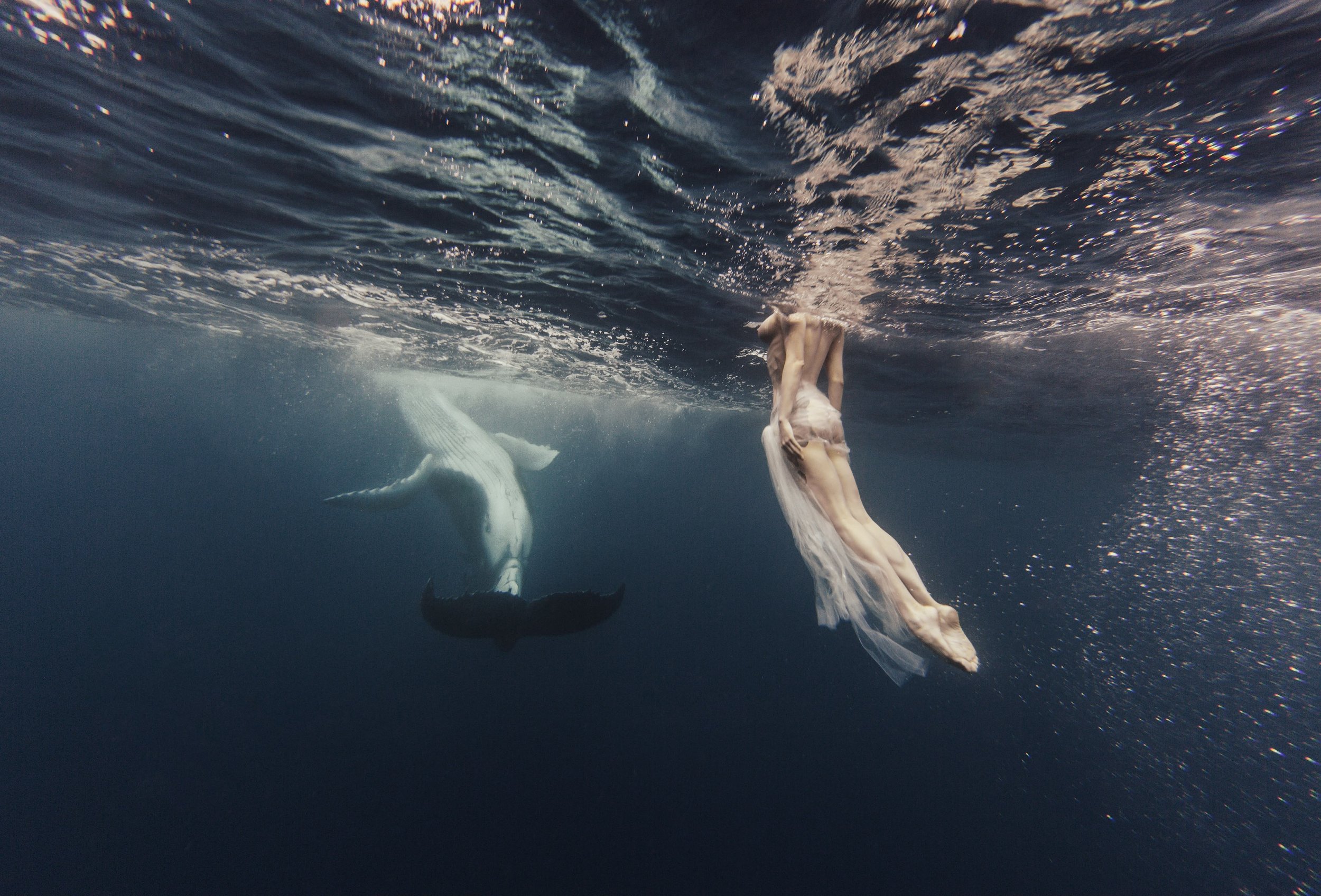
Natalie: I’ve seen this happen quite a few times, especially with my underwater photography. When people see these images of people swimming freely with marine animals and looking so natural and happy, it can really inspire them to try freediving, learn how to swim, or even travel somewhere to see dolphins or whales in the wild. And I think something changes when you actually see these animals up close. Suddenly, you understand that this is their home and we are the ones entering it. And then you start thinking, “If we don’t protect this place, who will?” The problem is that when we live in cities, we are so far removed from nature. We don’t have many opportunities to experience the ocean or wild animals for ourselves.
So sometimes an image can be that first impulse. You see a photograph and think, “I want to experience this myself.” Maybe you want to swim through a kelp forest, dive in the cenotes of Mexico, swim with whales in Tonga, or see dolphins in Egypt. And once you experience that connection yourself, I think you naturally start to care much more about protecting it.
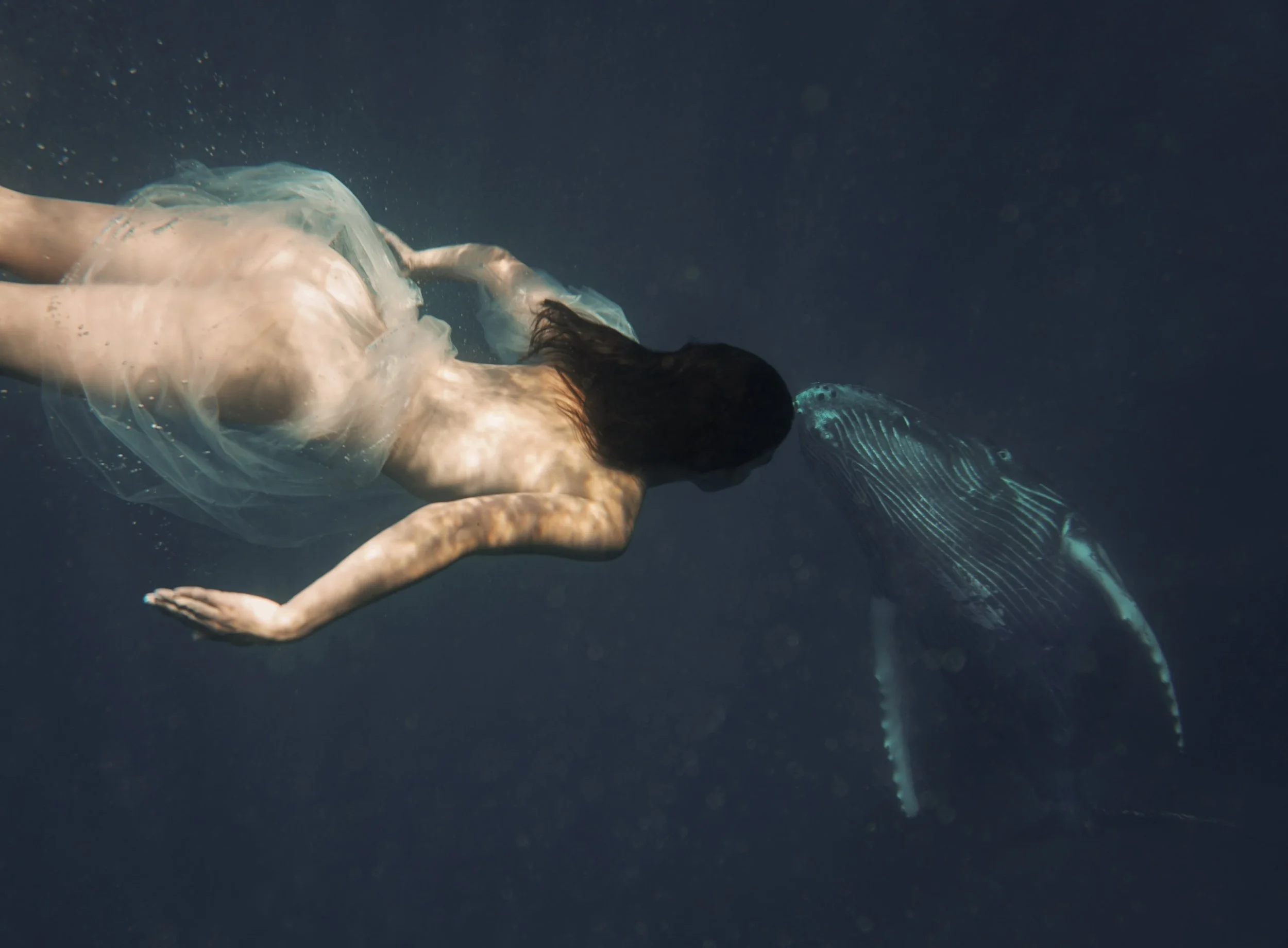
Oda: Women and water return again and again in your work, often almost dissolving into one another. What is it about the female body and the ocean that you keep returning to? Are you exploring our relationship with nature or something deeper about where we belong?
Natalie: For me, there is a very deep connection between women and water. I see the ocean almost like our mother — it’s where life began, and in a way, it’s where we all come from. Even our blood has a similar saltiness to the ocean. A woman’s cycle is connected to the moon, just like the ocean is connected to the tides. And, of course, a woman has this incredible ability to carry and create life.
I also see a beautiful similarity in their strength and vulnerability. The ocean is incredibly powerful but its ecosystems can also be extremely fragile. A rise in temperature of just a few degrees can cause coral reefs to die. And I think women can be like that too — incredibly strong, but also vulnerable.
Maybe that’s why I keep coming back to this combination in my photography. It reminds me that we are not separate from nature. We are part of the same system.
And especially now, when technology and AI are developing so quickly, I think there is also something beautiful about returning to our origins and remembering how perfectly nature works — all its cycles, connections and balance. Maybe technology can actually help us understand just how important it is to protect that balance.
Oda: One of UN Live’s initiatives, Sounds Right, recognises NATURE as an artist and collaborator. It is an attempt to shift nature from being a backdrop to human life to something we are part of and in relationship with. Your photographs seem to do something similar: the boundaries between bodies, oceans, animals and landscapes often begin to dissolve. What have these encounters taught you about our place within the living world?
Natalie: I think the biggest thing I’ve learnt is that we’re not really separate from nature. We often think of nature as something “out there” — somewhere we go on holiday, photograph and then come back to our normal lives. But when you’re underwater, swimming with a whale or a dolphin, you suddenly realise that you’re actually in their world. And at that moment, I don’t feel like I’m the main character at all. I feel very small and part of something much bigger.
I think that’s why I like to mix the human body with animals, water and landscapes in my photographs. I want to show that everything is connected. We’re not outside of nature — we are nature too. We often forget that because we live in cities and spend so much time surrounded by technology. And the more time I spend in these environments, the more I feel that nature has its own balance and intelligence. We’re part of that system, not above it.
For me, when you really experience nature and feel connected to it, you naturally want to protect it. You stop seeing nature as a background and start seeing it as something you belong to. And I think that feeling of belonging is what I’m trying to show through my work.
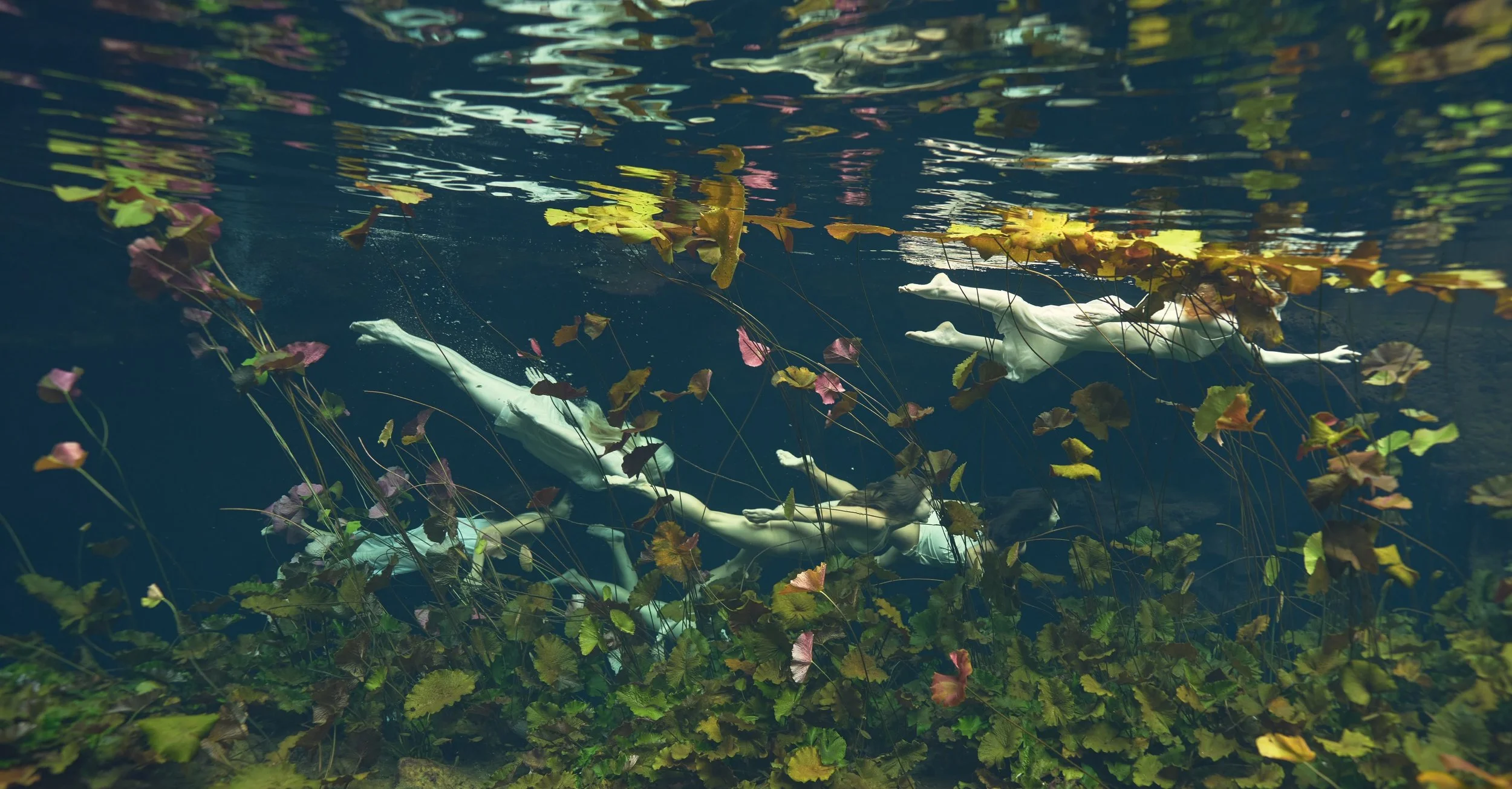
Oda: We are surrounded by more images than at any point in history, yet perhaps we are becoming less able to really see. In a world of endless scrolling feeds, what does an image have to do to make someone stop, feel and perhaps see the world differently?
Natalie: I think it’s becoming more and more difficult. We live in such a fast world with constant scrolling and endless new images. Even for us, it has become harder to watch a long video or a long film without getting distracted and checking our phones.
So what makes someone stop? For me, it’s something real. Authentic human emotion will always have meaning. And a good story will always make people curious. When there is a real person behind an image, a real experience, and a real story, you can feel it. You can feel that there is a soul behind the work. I think that’s what makes an image stay with you. It doesn’t have to be shocking or complicated. Sometimes you just look at a photograph and feel something — maybe curiosity, maybe emotion, maybe you recognise something in yourself.
For me, that human connection is the most important thing. There will always be people who love telling stories and people who love listening to them. And if an image can make someone stop for even a few seconds, feel something, and look at the world a little differently, then I think it has done its job.
Oda: If you could place one image, song, poem, story or other work of art in front of everyone in the world for a moment, what would you choose — and what would you hope it might awaken in us?
Natalie: The first thing that came to my mind was Imagine by the Beatles. And actually, I think they already achieved a lot of what this question is about. I would imagine that most people in the world have heard this song at least once.
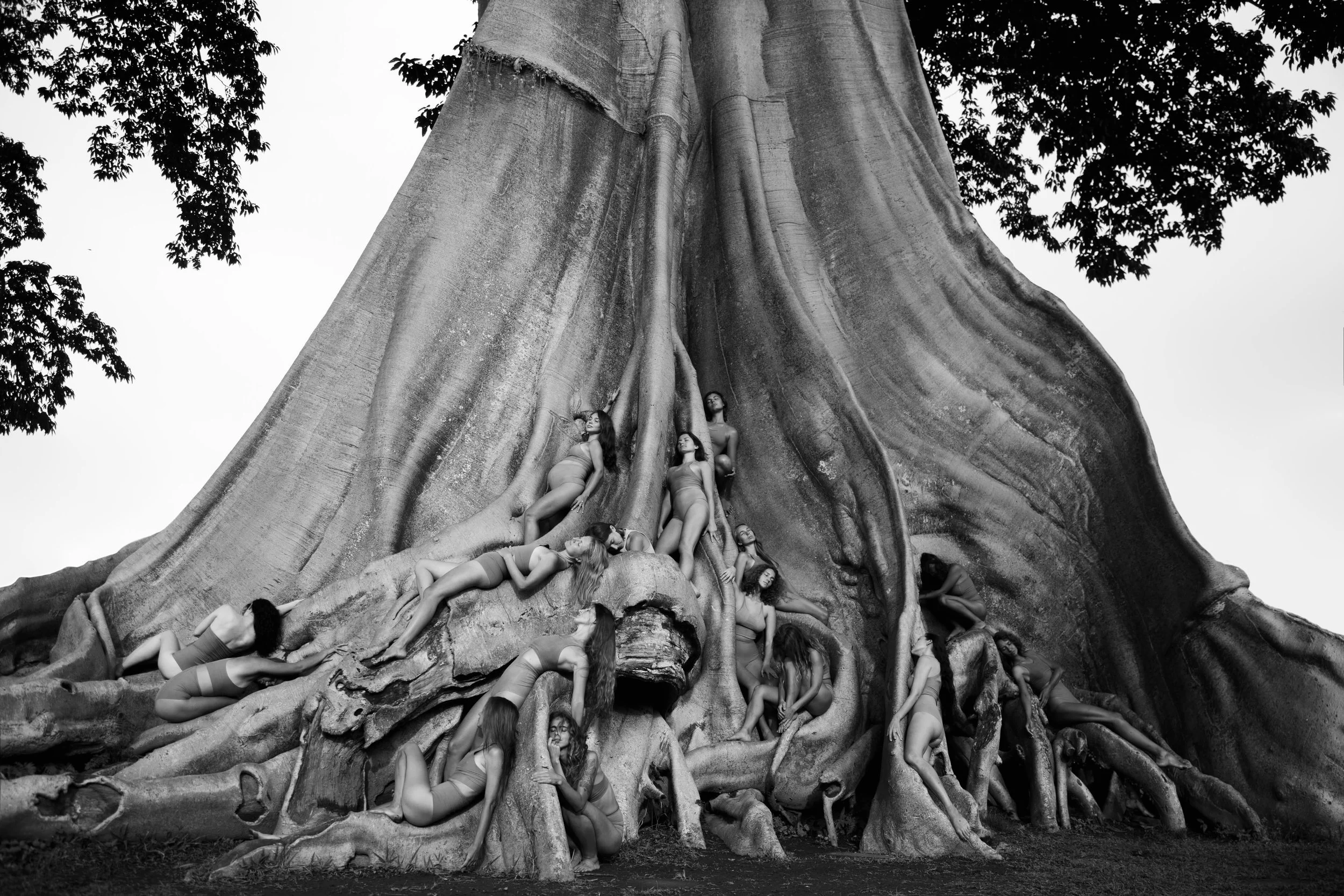
I love works of art that can lift your energy, give you a good feeling, and make you want to love people, love nature, and just be a little kinder. I think that’s very powerful. And if I had to choose one of my own photographs, I would probably choose a picture of my friend swimming between two whales. Or maybe a photograph of a group of women together.
For me, the message would be very simple: we are one. Maybe it sounds a little spiritual but I really believe we’re not alone. We’re part of something much bigger. We’re connected to each other and to nature. And I think what really matters in the end is love. So I would hope that, for just a moment, this image could remind people of that feeling — that we are connected, and that we have much more in common than we sometimes think.