
The Surf Conservation Program
Every great initiative starts with a purpose. Can you share what your initiative does, the communities you serve, and why this work matters in today's world?
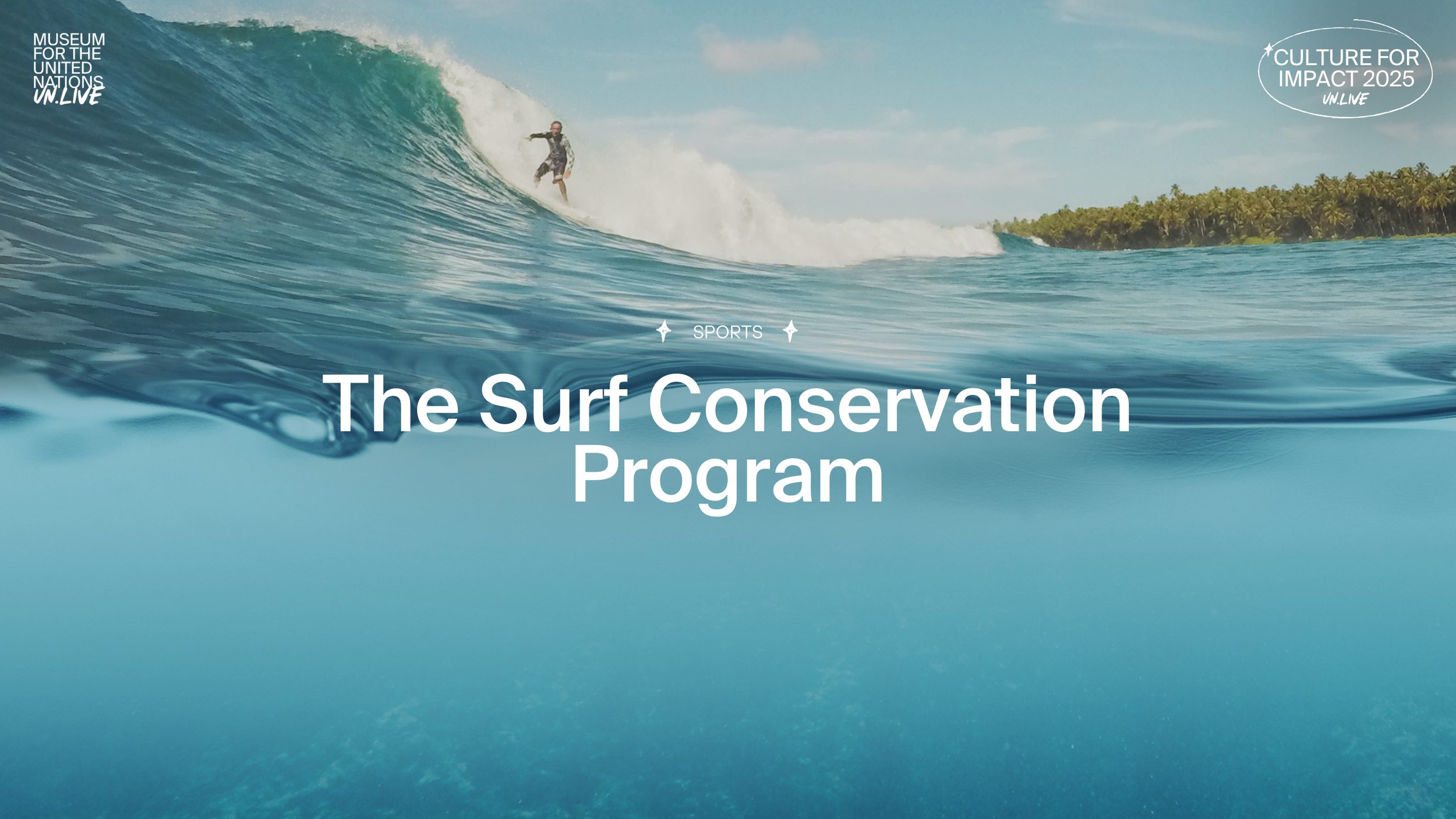
Conservation International's Surf Conservation Partnership brings together one of the world's most passionate ocean communities to protect the coastal ecosystems that make surfing possible. Around the globe, iconic surf breaks lie beside vital reefs, mangroves, seagrasses, and coastal forests—places central to biodiversity, climate stability, and local livelihoods. The Surf Conservation Partnership works with communities, governments, and surf organizations to establish Surf Protected Areas and to empower young people, especially girls, as future ocean leaders. As Program Director Scott Atkinson says: "There are 35 million surfers worldwide. Let's take that passion—and that reach—and channel it toward the cause of our lifetime."
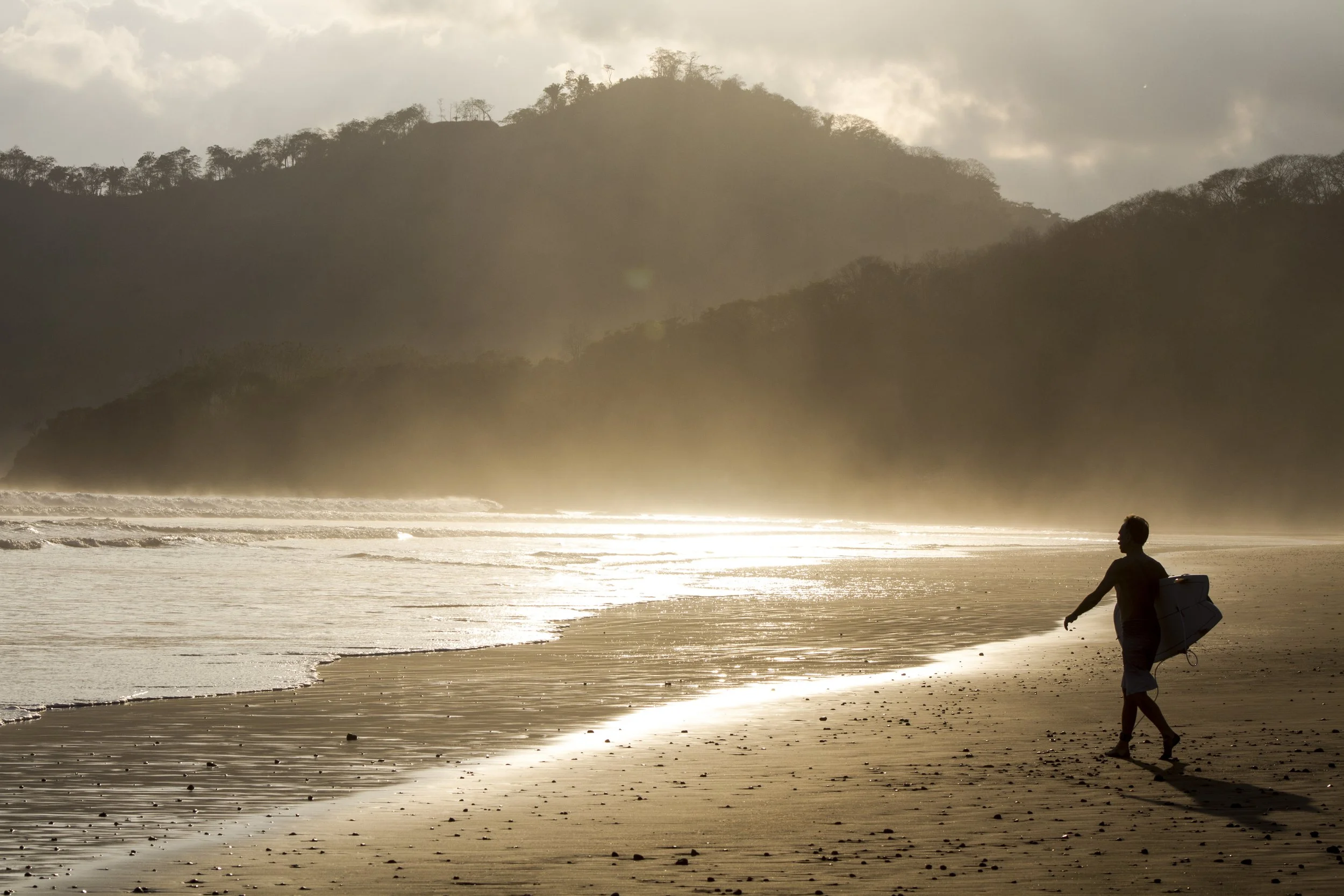
Photo: © Conservation International/photo by Mónika Naranjo González
We're thrilled to learn more about your work. What does being featured on the 2025 Culture for Impact List mean to you and your initiative? How do you see this recognition supporting your mission or amplifying your impact?
Being named to the Culture for Impact List is an honor not just for our team, but for the coastal communities and young people who are bringing this work to life. Surfing is far more than a sport; it's a culture grounded in joy, freedom, creativity, and a deep relationship with the ocean. Having this recognized by UN Live reinforces something we believe strongly: culture is one of the most powerful forces for environmental action.
This recognition helps us in three important ways. First, it brings global attention to "surf ecosystems"—places where culture and nature are inseparable and urgently need protection. Second, it elevates the leadership of communities who are using this model to defend their coastlines and secure their futures. And third, it inspires more surfers, governments, and partners to join us in creating Surf Protected Areas around the world.
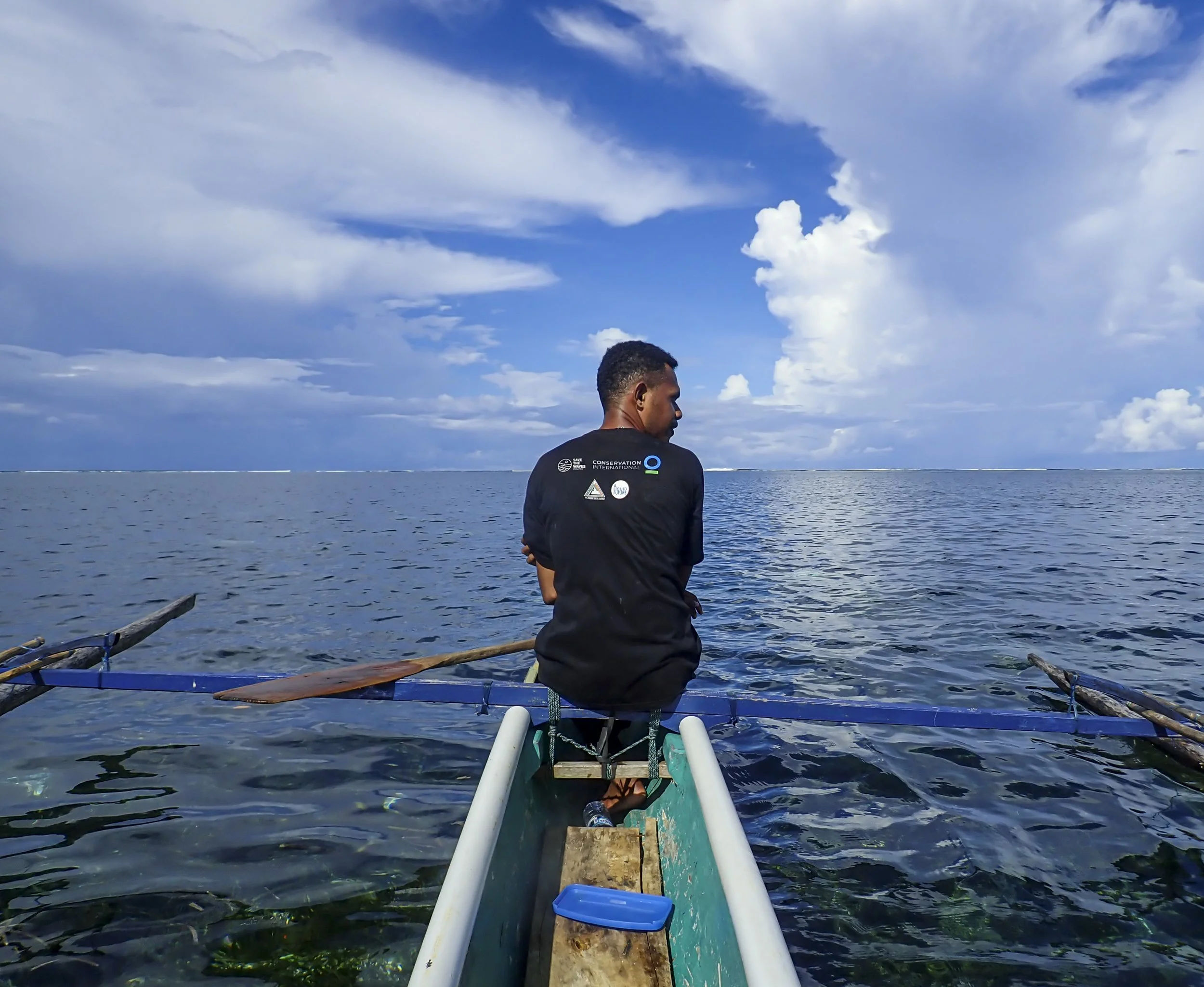
Photo: © Konservasi International/photo by Prastiano Septiawan
For us, this isn't just visibility; it's momentum. It strengthens our ability to show millions of people that protecting nature can be joyful, inclusive, and rooted in the things we love. We are deeply grateful—and even more motivated—to grow this movement further.
Let's talk about hope. In your view, what role do arts and culture play in helping people reconnect with a sense of collective possibility? How can creativity and cultural expression encourage communities to imagine and work toward a better future together?
Arts and culture reconnect people with hope because they speak the language of emotion, meaning, and identity. Facts can inform us, but culture helps us feel what matters—and feeling is what leads to action. Whether it's music, sport, film, or storytelling, culture reminds us that we are part of something larger, and that change is possible when we move together.
Surf culture plays this role beautifully. It teaches patience, humility, courage, and respect for nature. That kind of deep connection creates a natural foundation for stewardship. Creativity also helps communities imagine a different future—one defined by possibility rather than loss. When people see their cultural practices, stories, or passions reflected in conservation work, they recognize that protecting nature is about who they are, not just what they do.
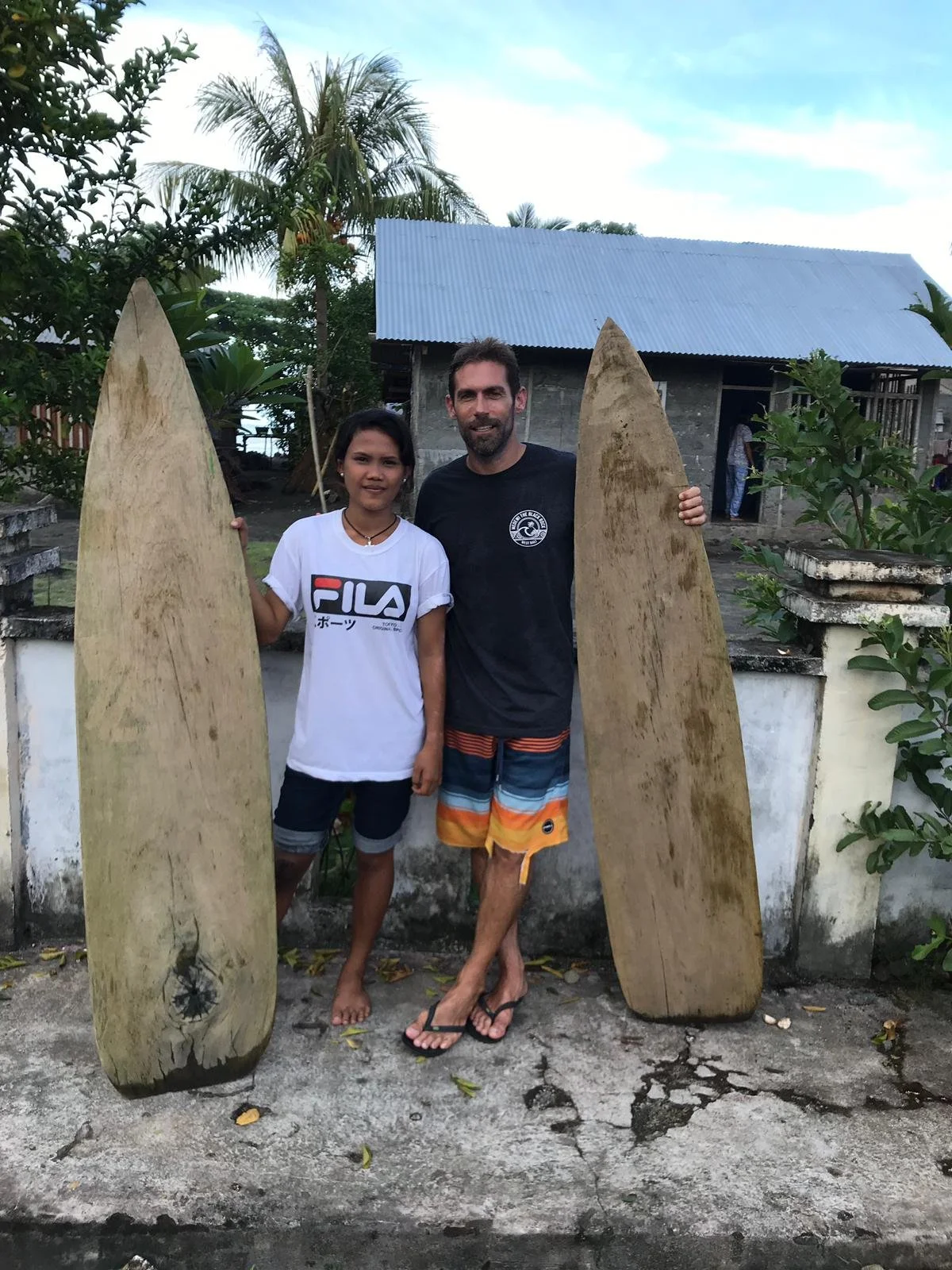
Photo: © Conservation International photo by Jack Kittinger
What inspired you to use socially engaged arts as a tool for positive change? How did this medium become your way of making a difference in the world?
Surf culture became our medium because it's one of the most joyful and globally connected nature-based communities on Earth. Surfers have a unique relationship with the ocean—we study its rhythms, feel its changes, and depend on healthy coasts and reefs in a very immediate way. But for a long time, there wasn't a clear pathway for surfers to turn that passion into protection. And yet the opportunity was obvious. There are 35 million surfers around the world. It's a $60+ billion industry. And every surfer has a personal stake in conserving the coast.
Surf culture already holds the values that conservation needs: respect for nature, community, resilience, and a sense of belonging to a place. So we didn't need to invent something new—we simply needed to activate a cultural force that already had the energy, reach, and identity to create change.
What has the impact of your work looked like? We'd love to hear stories, feedback, or specific moments when you saw your initiative making a real difference in someone's life or in a community.
Since 2020, the Surf Conservation Partnership has helped establish more than 40 Surf Protected Areas, securing over 100 waves and the surrounding reefs, mangroves, seagrasses, and coastal forests across Indonesia, Fiji, Costa Rica, Peru, and Brazil. These designations are already changing the trajectory of vulnerable coastlines. In several locations, communities have used the Surf Protected Area model to halt destructive coastal development and secure long-term stewardship of the beaches and reefs that underpin their identity and livelihoods.
A core part of our impact is building youth leadership. More than 1,000 young people, especially girls, have taken part in surf camps and ocean-skills programs. Many learned to swim or surf for the first time, building confidence, leadership, and a deep sense of connection to the ocean. Some now lead conservation activities in their own communities, representing a powerful sign of long-term change.
This growing movement is the foundation for our next goal: to protect 500 waves and the ecosystems that sustain them by 2030, creating a global network of climate-resilient surf ecosystems and empowered coastal communities.
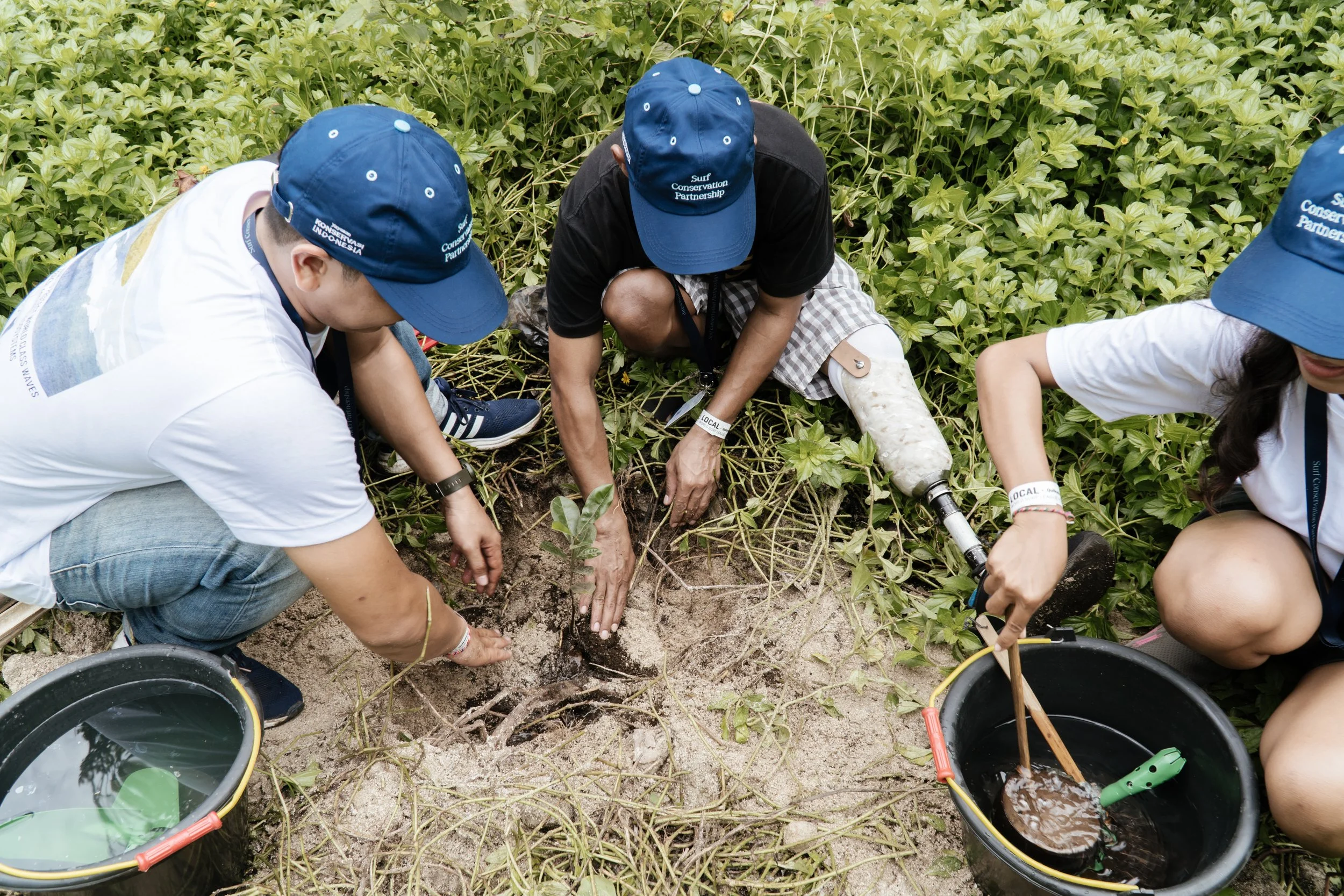
Photo: @ Konservasi Indonesia/photo by Prema Ananda
What do you hope others can learn or take away from your initiative? Are there key approaches, values, or insights that you believe could inspire others to create change through culture?
We hope others see that meaningful environmental change can grow from passion, identity, and cultural connection. One of the clearest lessons from the Surf Conservation Partnership is that when you begin with what people already love, you unlock a completely different kind of energy for protecting nature. Surfing is our cultural pathway, but every community has its own: music, food, storytelling, dance, sport. Culture gives people a sense of belonging, and belonging is what turns care into action.
Another core insight is the importance of local leadership. Our progress has come from communities shaping the rules, benefiting from the outcomes, and seeing themselves as guardians of the places they cherish. Conservation lasts when it strengthens identity and livelihoods—not when it is imposed from outside.
We also believe deeply in the power of optimism. People protect what gives them hope. When young people see themselves reflected in conservation and feel welcomed in the ocean, it changes what they believe is possible for their communities and for the planet. If our story encourages others to use culture as a catalyst for positive change, that would be a meaningful impact in itself.
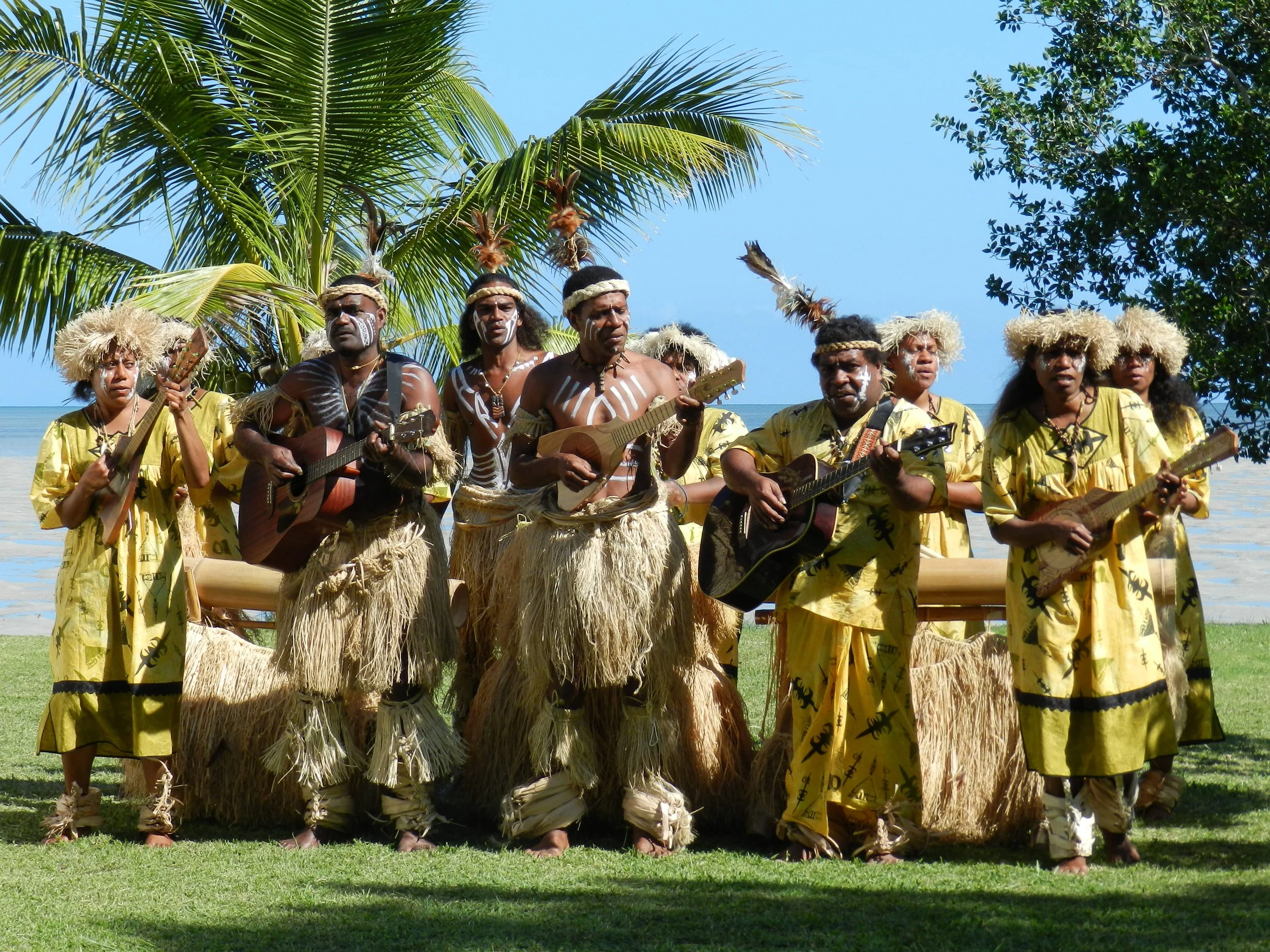
Photo: © Conservation International/photo by Eleanor Kitchell
At UN Live, we aim to harness culture as a force for empathy and collective action. Looking at your work, how do you think popular culture platforms can inspire people — not only to care about the planet, but to take meaningful, connected, and concrete action?
We believe popular culture has a unique ability to make environmental action feel personal, social, and achievable. Culture shapes what people celebrate, how they see themselves, and the behaviors they consider normal. When cultural platforms embrace the planet as part of their story, caring for nature becomes something people feel naturally connected to—not a specialist issue, but a shared value.
Surf culture shows how powerful this can be. When protecting a wave also means safeguarding the reefs, mangroves, or seagrasses around it, conservation becomes tangible. People see the link, feel it in their lives, and act on it together.
Above all, culture builds a sense of "we." That collective identity is what turns individual concern into meaningful, connected action. When culture leans toward the planet, people do too—and that's when real systems change becomes possible.