Artlords
Every great initiative starts with a purpose. Can you share what your initiative does, the communities you serve, and why this work matters in today's world?
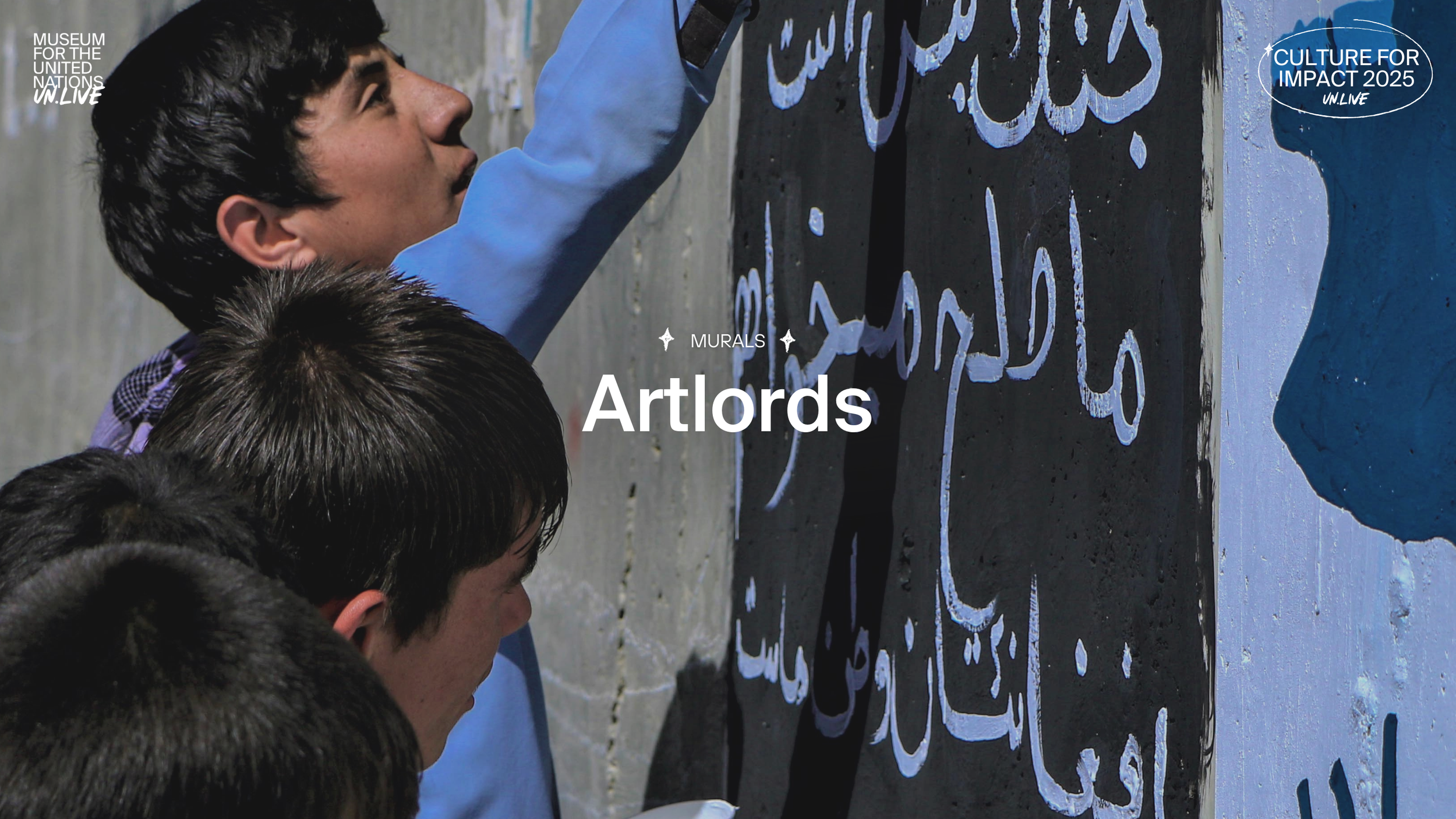
ArtLords is a movement of public art for social transformation and a community of artivists and cultural workers transforming public and digital spaces into platforms for empathy, accountability, and hope. Born amid conflict, we began by turning Kabul's blast walls into murals that center women's rights, dignity, and citizens' voices. Today, we work with at-risk artists worldwide, especially Afghan women and girls, and artivists in the diaspora to co-create murals, exhibitions, and digital campaigns that challenge oppression and spark dialogue. Our forthcoming Museum of Art for Freedom will preserve threatened stories, incubate new works, and connect audiences to concrete action. We serve communities silenced by fear, and anyone who believes culture can protect freedom.
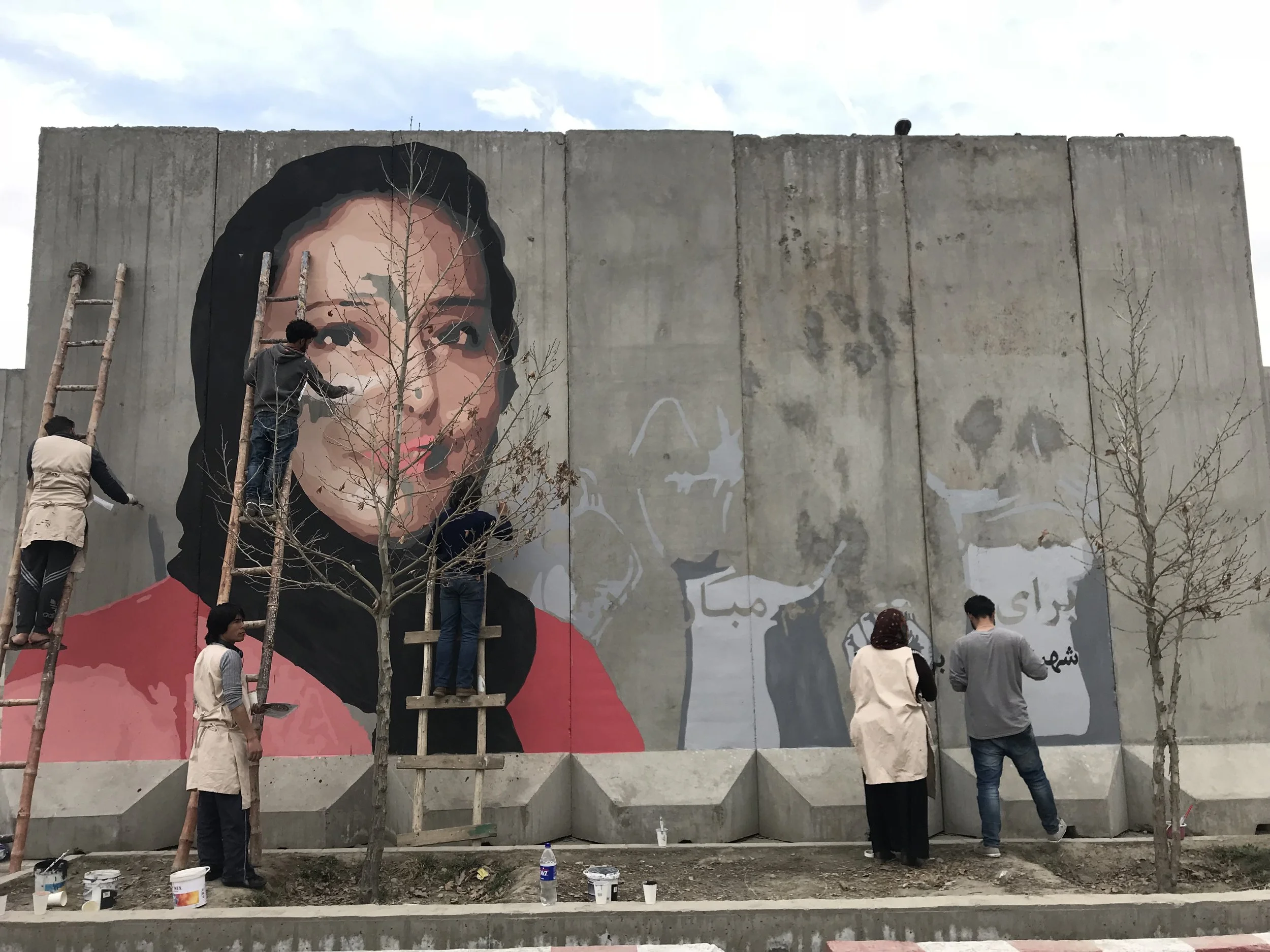
Photo: Mural Painting, Artlords
We're thrilled to learn more about your work. What does being featured on the 2025 Culture for Impact List mean to you and your initiative? How do you see this recognition supporting your mission or amplifying your impact?
Being featured affirms that artists at risk are not alone and that their courage matters to the world. This recognition expands our platform and credibility as we scale from urgent, place-based interventions to long-term infrastructure: the Museum of Art for Freedom, artist safety networks, and women-led creative labs. It will help us mobilize partners, attract catalytic funding, and reach audiences beyond the arts—education, tech, philanthropy, and civic institutions—so that art translates into policy shifts and everyday solidarity. Most importantly, it signals to young artists, especially Afghan women, that their stories belong on global stages and that creative freedom is a right, not a luxury.
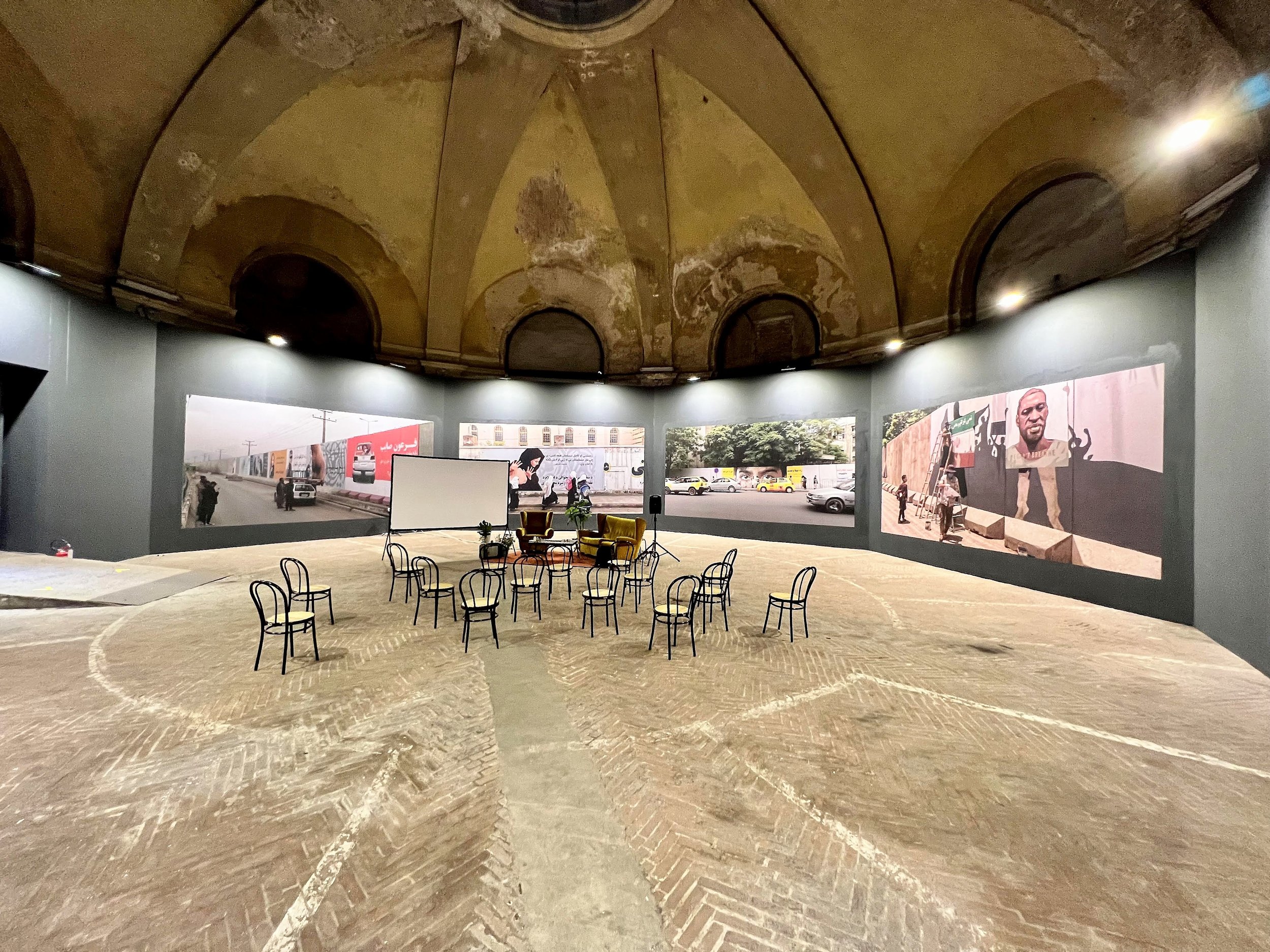
Photo: Artlords
Let's talk about hope. In your view, what role do arts and culture play in helping people reconnect with a sense of collective possibility? How can creativity and cultural expression encourage communities to imagine and work toward a better future together?
Art is a rehearsal space for the future. Murals, songs, films, and rituals let communities test new narratives before they become policy or norm. In places shaped by fear, culture reopens public space—first in the imagination, then on the street—so people can see one another again. Creativity lowers the barrier to entry for civic life: you don't need a title to paint a wall, share a story, or join a workshop. When people co-create, they practice listening, compromise, and shared ownership. That lived experience of making together builds the trust and muscle memory required to work toward a freer, fairer, greener future.
What inspired you to use socially engaged arts as a tool for positive change? How did this medium become your way of making a difference in the world?
We chose murals and participatory art because they are radically accessible. A wall cannot be paywalled. In Afghanistan, blast barriers were daily reminders of fear; painting them with images of women's leadership, accountability, and care turned obstacles into commons. Over time, our practice expanded: exhibitions, digital campaigns, and now a museum—but the DNA stayed the same: public, collaborative, and rooted in lived experience. This medium lets survivors speak in their own aesthetics; it invites passersby to become co-authors; and it converts attention into action by locating art where people already are: streets, screens, and schools.
What has the impact of your work looked like? We'd love to hear stories, feedback, or specific moments when you saw your initiative making a real difference in someone's life or in a community.
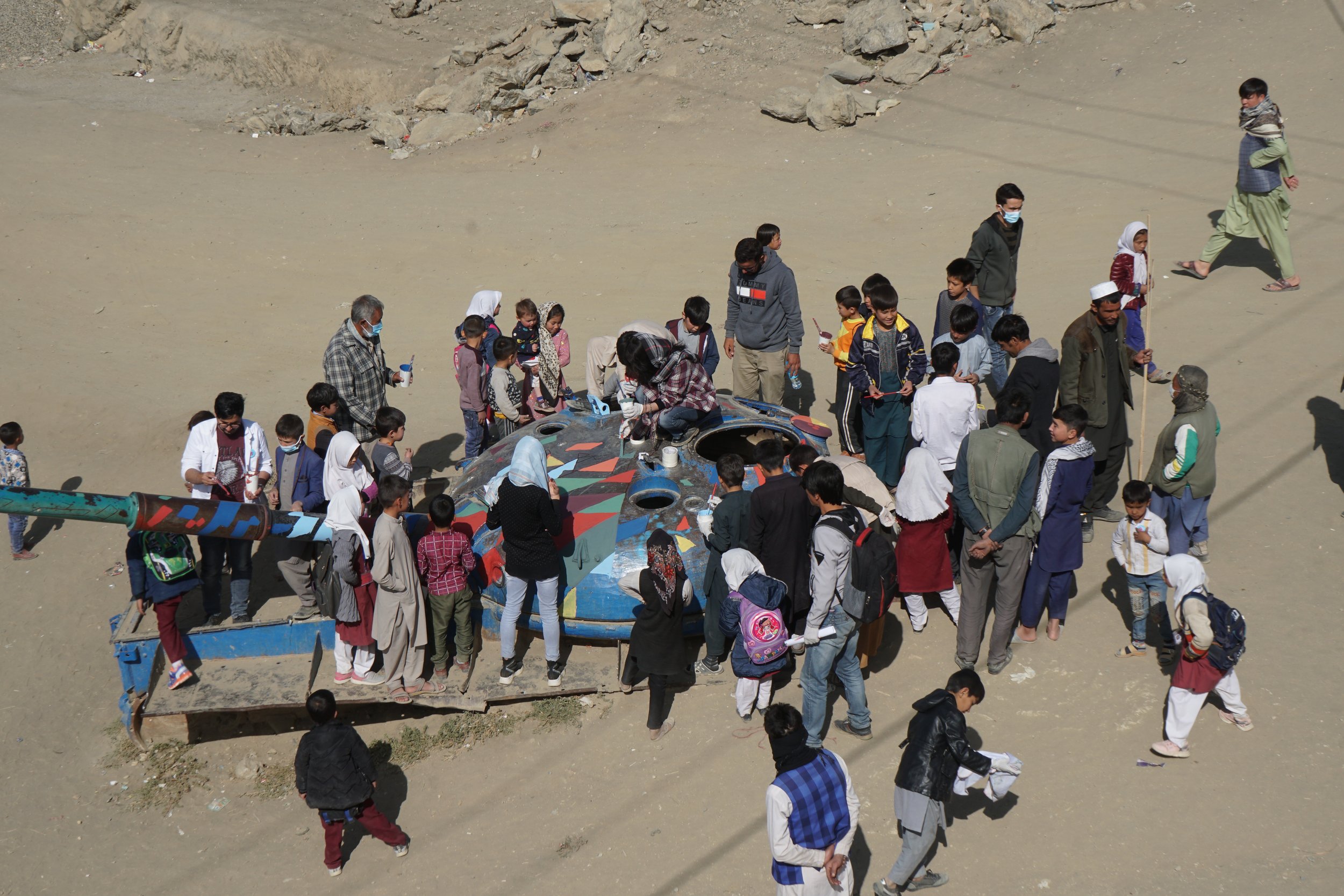
Photo: Mural Painting, Artlords
We have witnessed neighborhoods where tension softened as residents painted side by side; girls who first joined a workshop quietly later returned as facilitators; and officials who initially resisted a mural later requested one for their own buildings. In exile, our women-led collectives have used exhibitions and digital art to keep Afghan stories visible when news cycles move on, while providing income, mentorship, and safety referrals. Educators have adapted our murals into lesson plans; local partners have used our artworks to convene dialogues on gender, mental health, and accountability.
Qualitatively, participants report feeling "seen," "less afraid," and "more connected." Communities tell us that murals reduce the sense of isolation and spark conversations that rarely happen elsewhere. Quantitatively, our public works and campaigns have reached global audiences online and offline; we've commissioned and trained cohorts of at-risk artists; and we have built partnerships with civic groups, universities, and cultural institutions that convert visibility into resources, scholarships, residencies, and legal support. These outcomes guide our next step: the Museum of Art for Freedom, a living archive and creation space that protects threatened narratives and equips artists to lead change.
What do you hope others can learn or take away from your initiative? Are there key approaches, values, or insights that you believe could inspire others to create change through culture?

Photo: Mural Painting, Artlords
Start where people already gather. Share power with communities as co-creators, not audiences. Pair beauty with dignity: representation should be by and for those most affected. Build bridges between culture and concrete support—legal aid, education, jobs—so inspiration has a pathway. Measure what matters (belonging, agency, safety) alongside reach. And invest in long-term structures—archives, studios, safe networks—so cultural change endures beyond a campaign. Above all, hold joy and justice together; joy is not a distraction from struggle, it is fuel for it.
At UN Live, we aim to harness culture as a force for empathy and collective action. Looking at your work, how do you think popular culture platforms can inspire people — not only to care about the planet, but to take meaningful, connected, and concrete action?
A: Popular culture can translate complex crises into human stories, repeatable rituals, and shareable calls to action. When a mural becomes a template for a school, when a song carries a pledge, when a short video links to micro-grants or mutual aid, caring turns into doing. We design artworks and formats that travel—open-source mural kits, pop-up exhibits, creator collaborations—and we attach clear next steps: donate to an artist at risk, host a dialogue, adopt a classroom module, lobby for protective policies. By meeting people in the feeds and streets they inhabit, we convert attention into coordinated, tangible acts: many hands, one chorus.
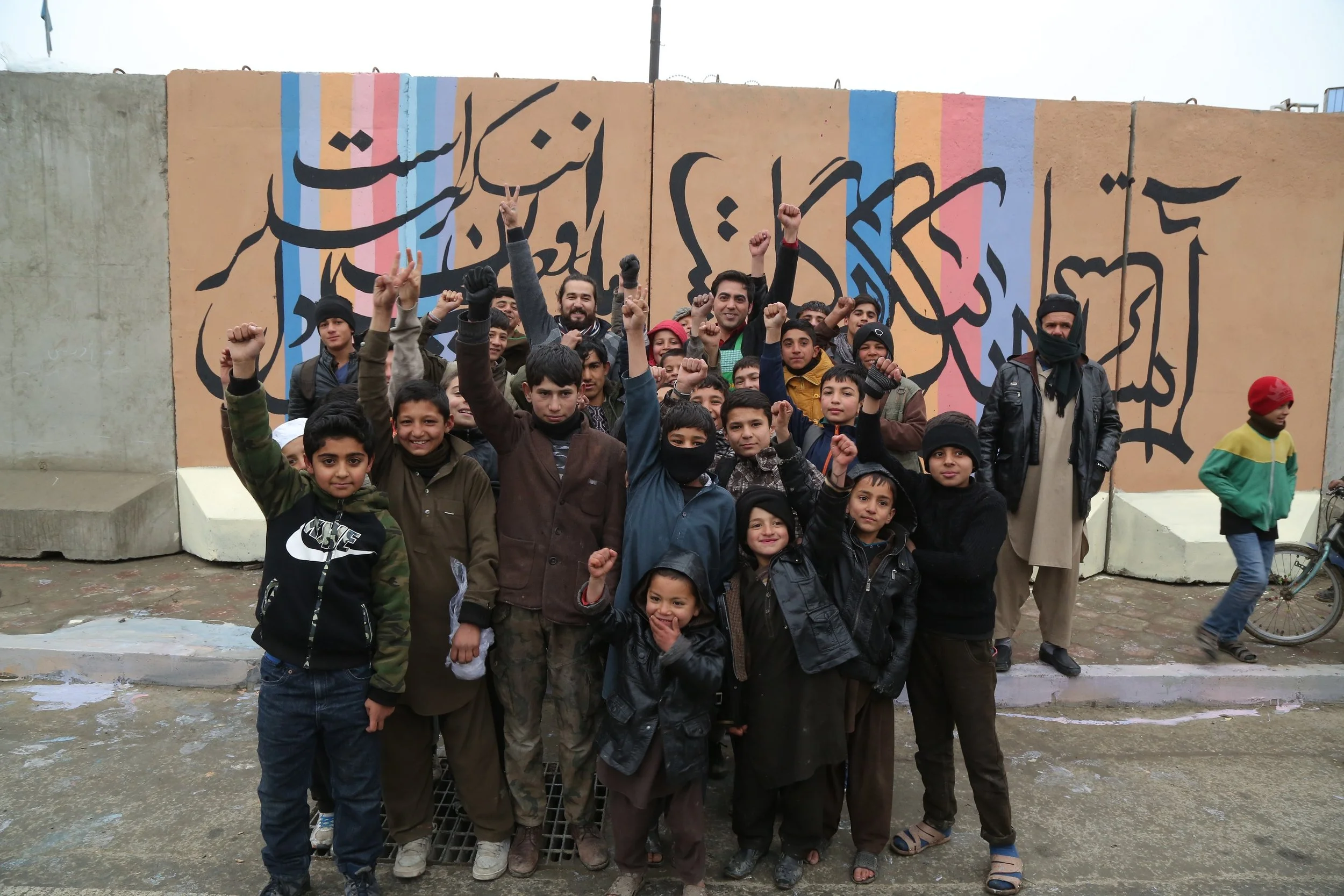
Photo: Artlords