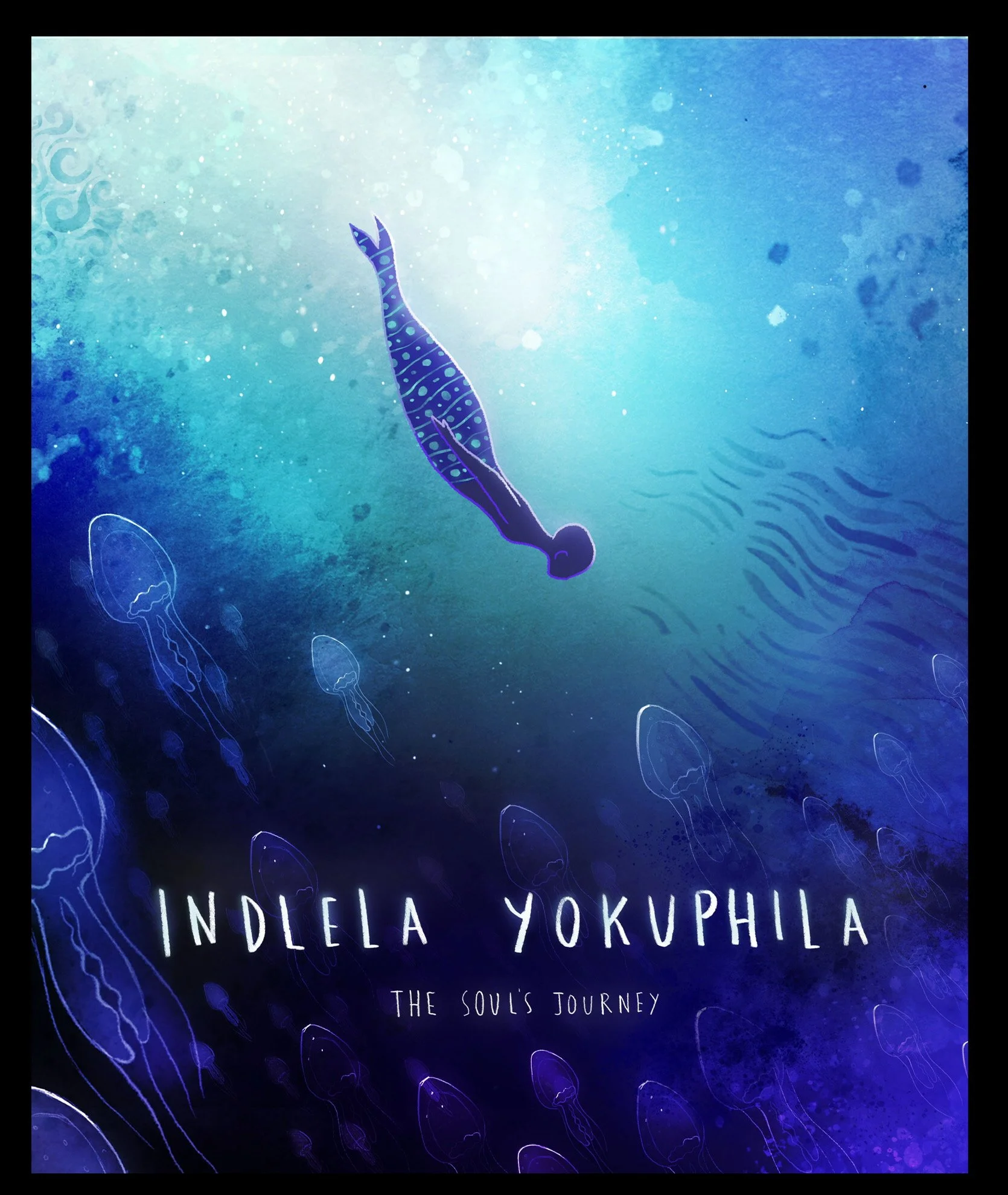
Empatheatre's Indlela Yokuphila of The Soul's Journey showcasing the film that helped stop Shell
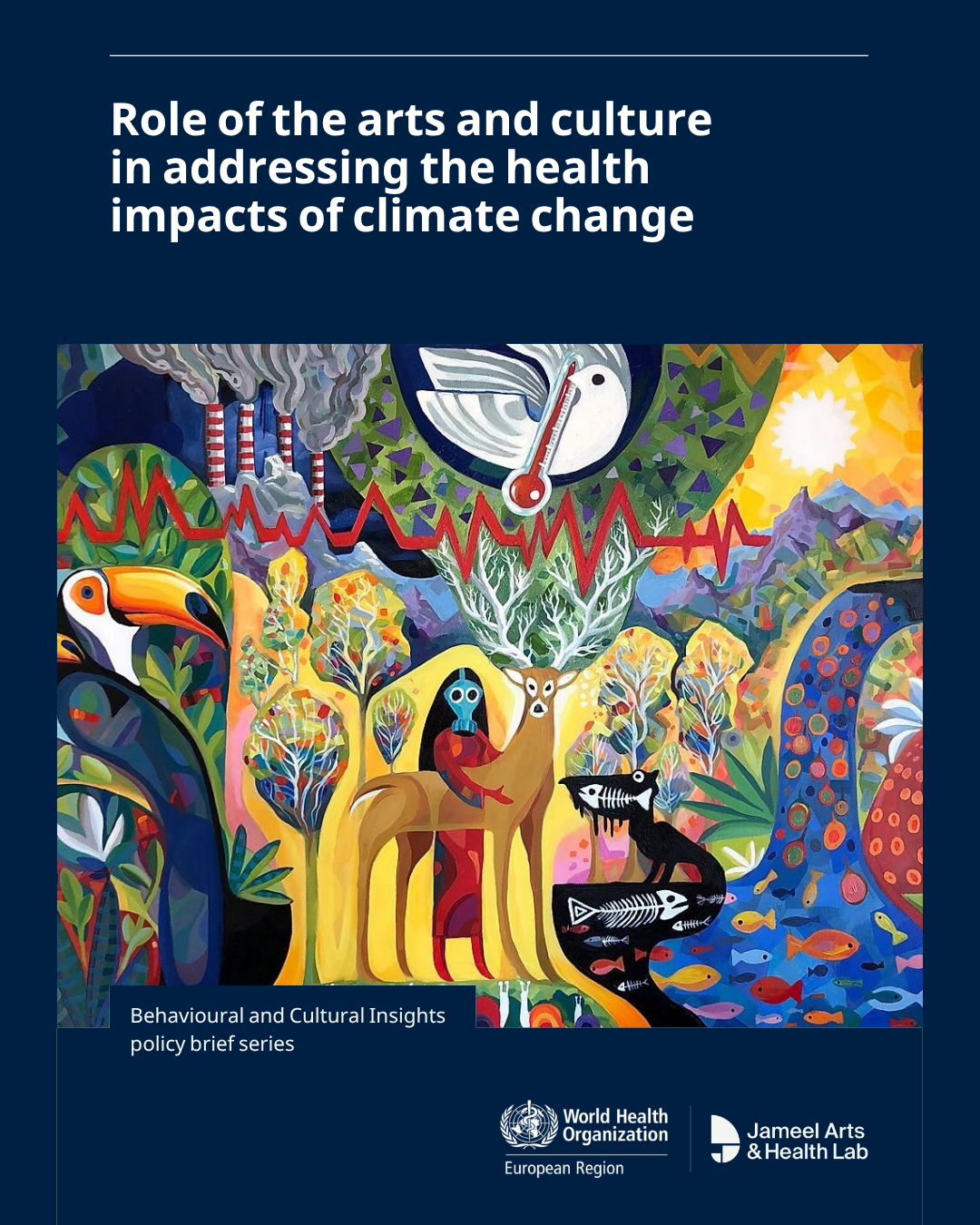
UN Live is excited to feature a series of six case studies highlighted in the policy brief "Role of the Arts and Culture in Addressing the Health Impacts of Climate Change", published by the WHO Regional Office for Europe and the Jameel Arts & Health Lab. The brief explores how arts and culture can help communities respond to the health impacts of the climate crisis and these six initiatives were selected from over 30 projects for the geographic, artistic, and thematic diversity of their impact.
Empatheatre's Indlela Yokuphila of The Soul's Journey showcasing the film that helped stop Shell
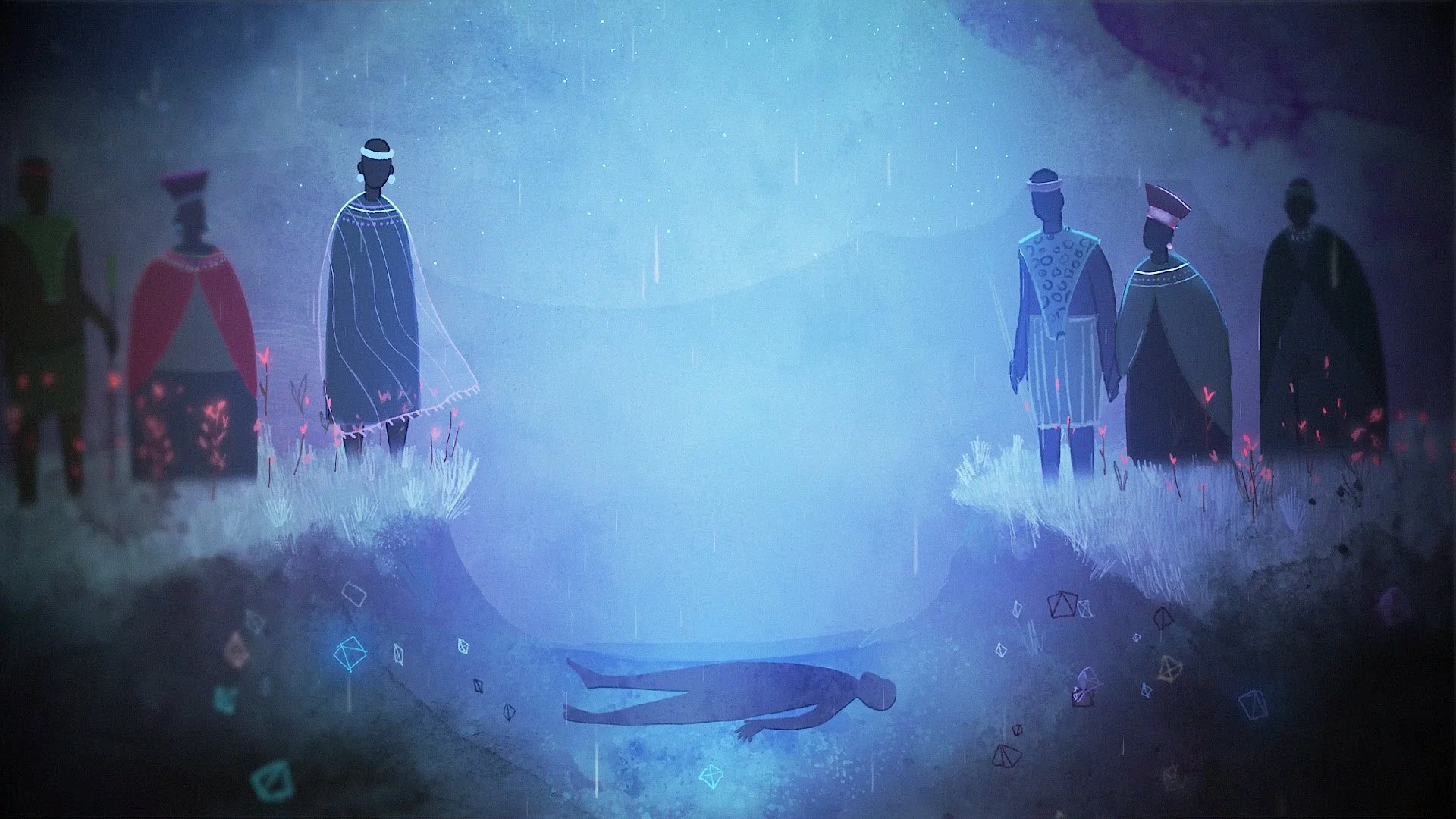
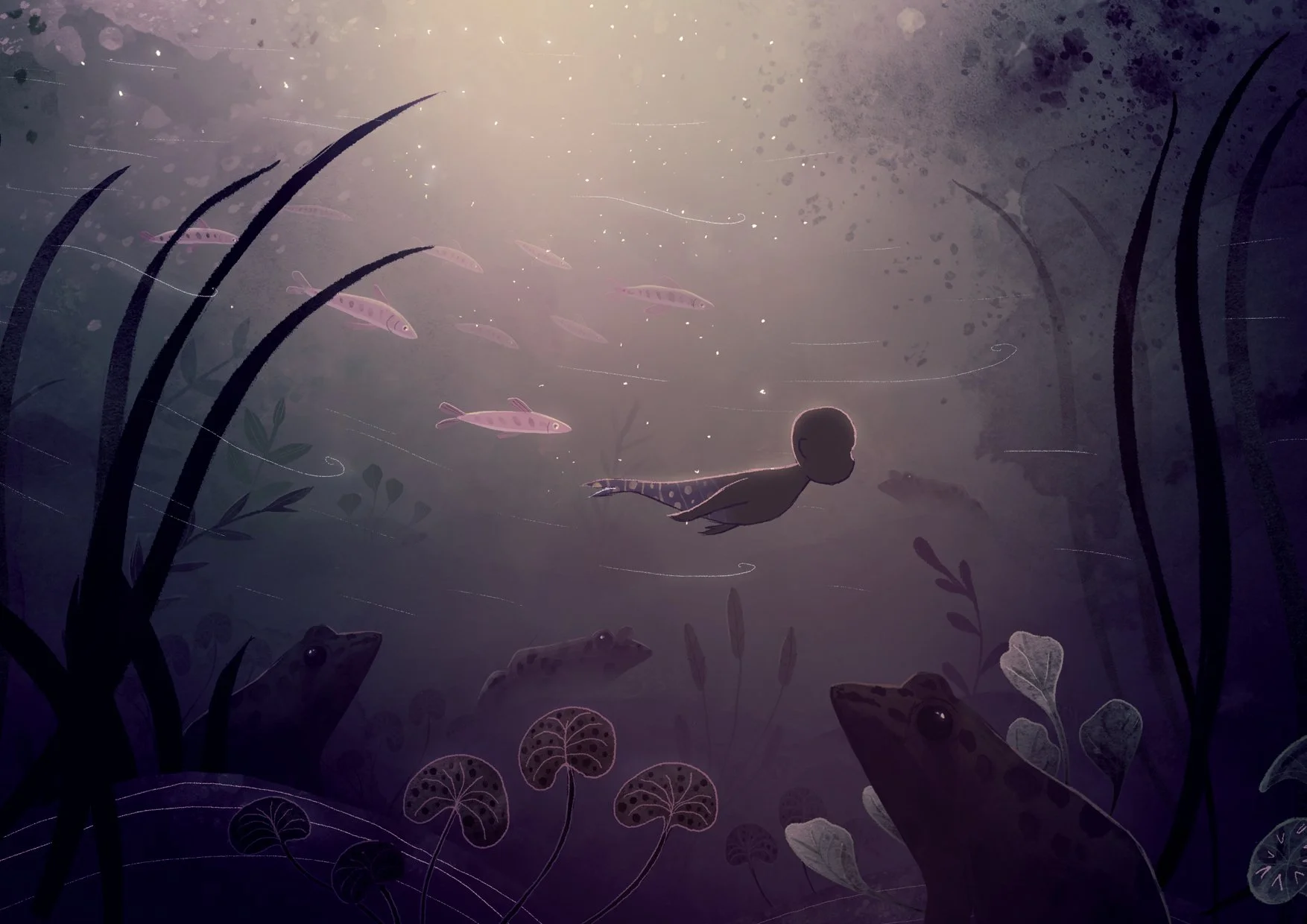
When Museum for the United Nations - UN Live first heard about Indlela Yokuphila, what struck us was that a five-minute animated film existed and it had been accepted as evidence in a court of law. In 2020, the South African theatre company Empatheatre partnered with Shells & Spells to create the film, weaving together Zulu spirituality and scientific understandings of the ocean's role in the global water cycle. It was used in three successful court cases brought by Indigenous fisher leaders and ocean defenders against Shell and the Department of Mineral Resources and Energy, and the result was the suspension of seismic exploration off South Africa's Wild Coast.
It was the first time an animation had ever been accepted as evidence in a South African court, with the film serving as a proxy for intangible ocean-related cultural heritage. As the WHO and Jameel Arts & Health Lab note in their new policy brief, this is exactly the kind of moment where "the arts can work with science and activism to articulate the intertwined harms of fossil fuel extraction, ecological degradation and climate change."
This is an example of using culture as a lever, as Empatheatre does not produce theatre as a side project to policy work. The methodology begins with deep, community-led research, shapes scripts from real lived experience, and stages performances for mixed audiences of policymakers, activists, scholars, and affected communities, often with deeply conflicting views. Every show closes with a facilitated discussion that functions as public research, generating new perspectives that move conversations forward.
The policy brief, "Role of the Arts and Culture in Addressing the Health Impacts of Climate Change", makes a powerful case that "we cannot solve an existential threat through technical means alone." Indlela Yokuphila is one of the clearest proofs of that argument we have come across. Read the full policy brief to explore how culture can help shape the climate-health response we urgently need.