The LIVE & BREATHE campaign that grew out of South London's air
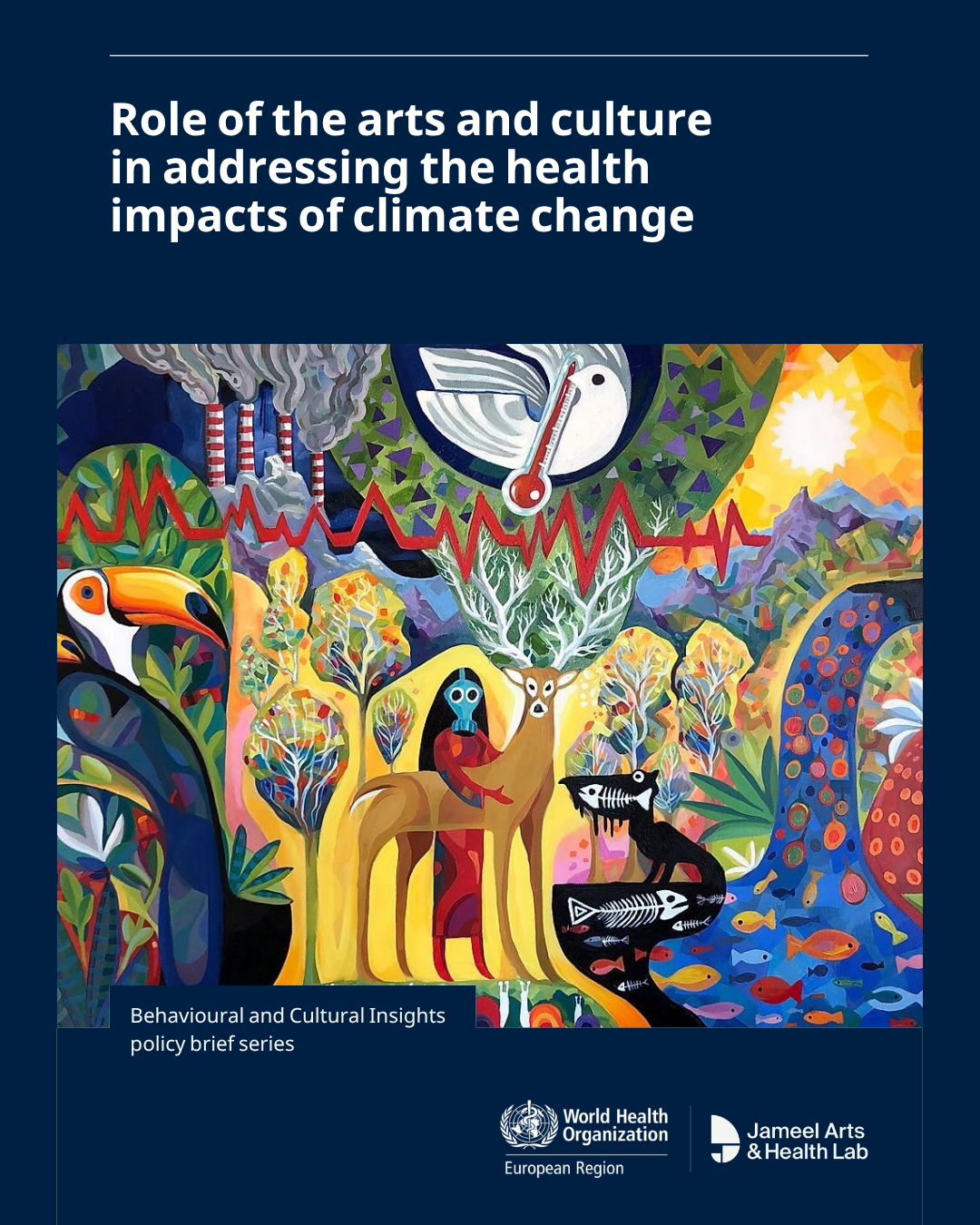
UN Live is excited to feature a series of six case studies highlighted in the policy brief "Role of the Arts and Culture in Addressing the Health Impacts of Climate Change", published by the WHO Regional Office for Europe and the Jameel Arts & Health Lab. The brief explores how arts and culture can help communities respond to the health impacts of the climate crisis and these six initiatives were selected from over 30 projects for the geographic, artistic, and thematic diversity of their impact.
The LIVE & BREATHE campaign that grew out of South London's air
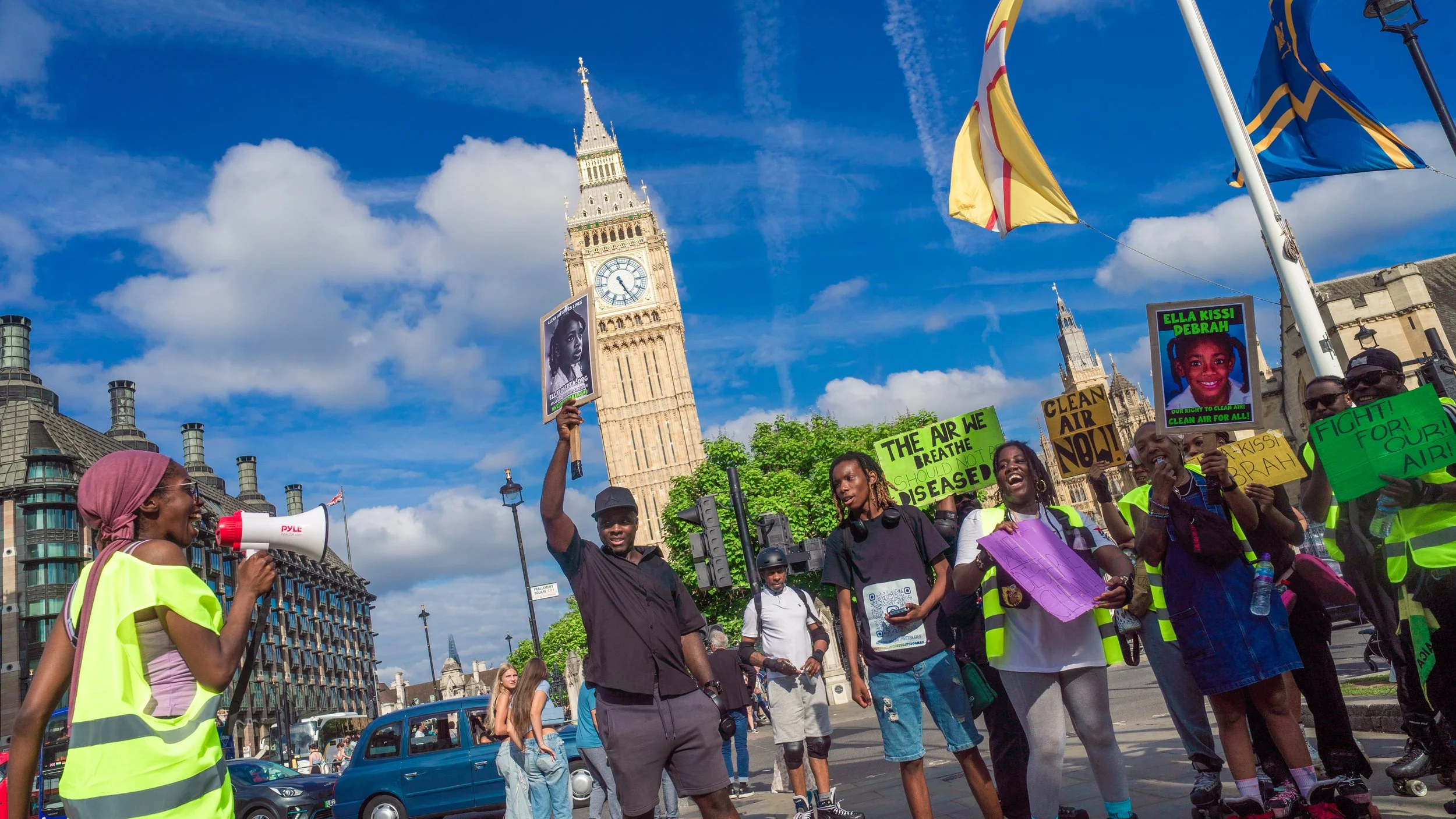
In 2013, Ella Adoo-Kissi-Debrah became the first person in the UK to have air pollution listed as a cause of death. She was nine years old, and she lived in South London, one of the areas in the country most consistently exceeding WHO air pollution guidelines. A decade later, the communities still living in that same air inequality became the driving force behind LIVE & BREATHE, a campaign that began as a community co-creation project and grew into something far bigger than anyone had planned.
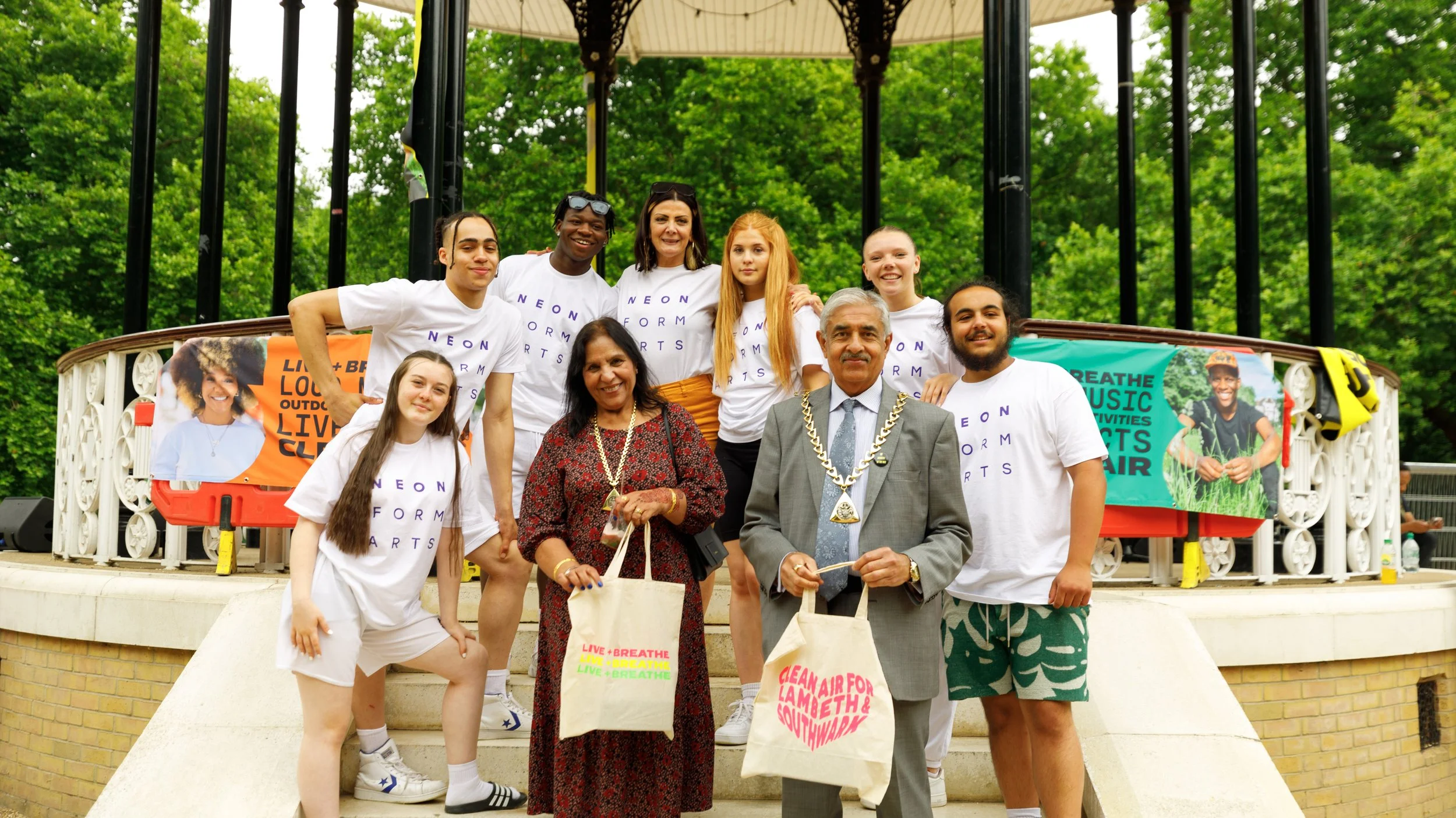
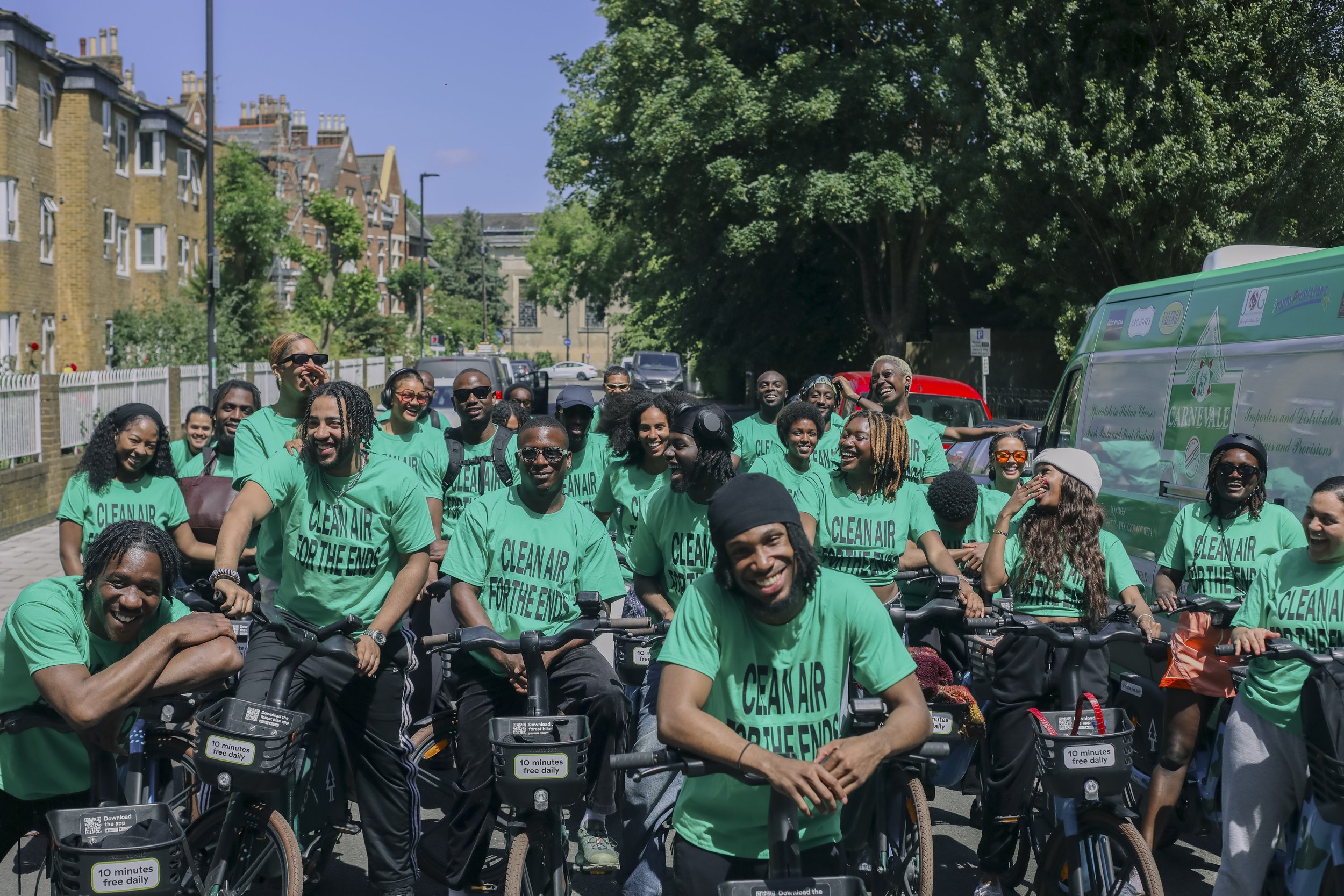
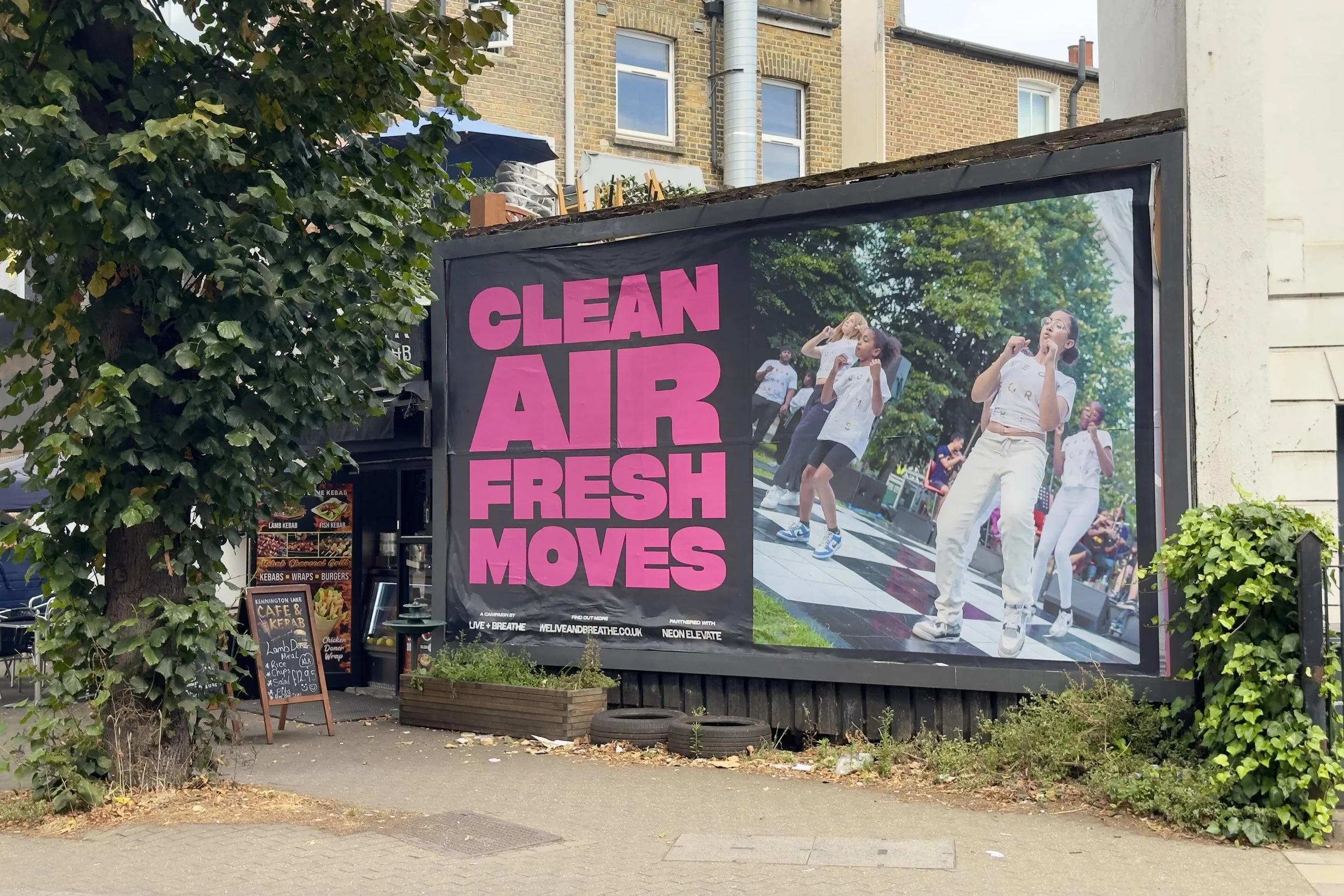
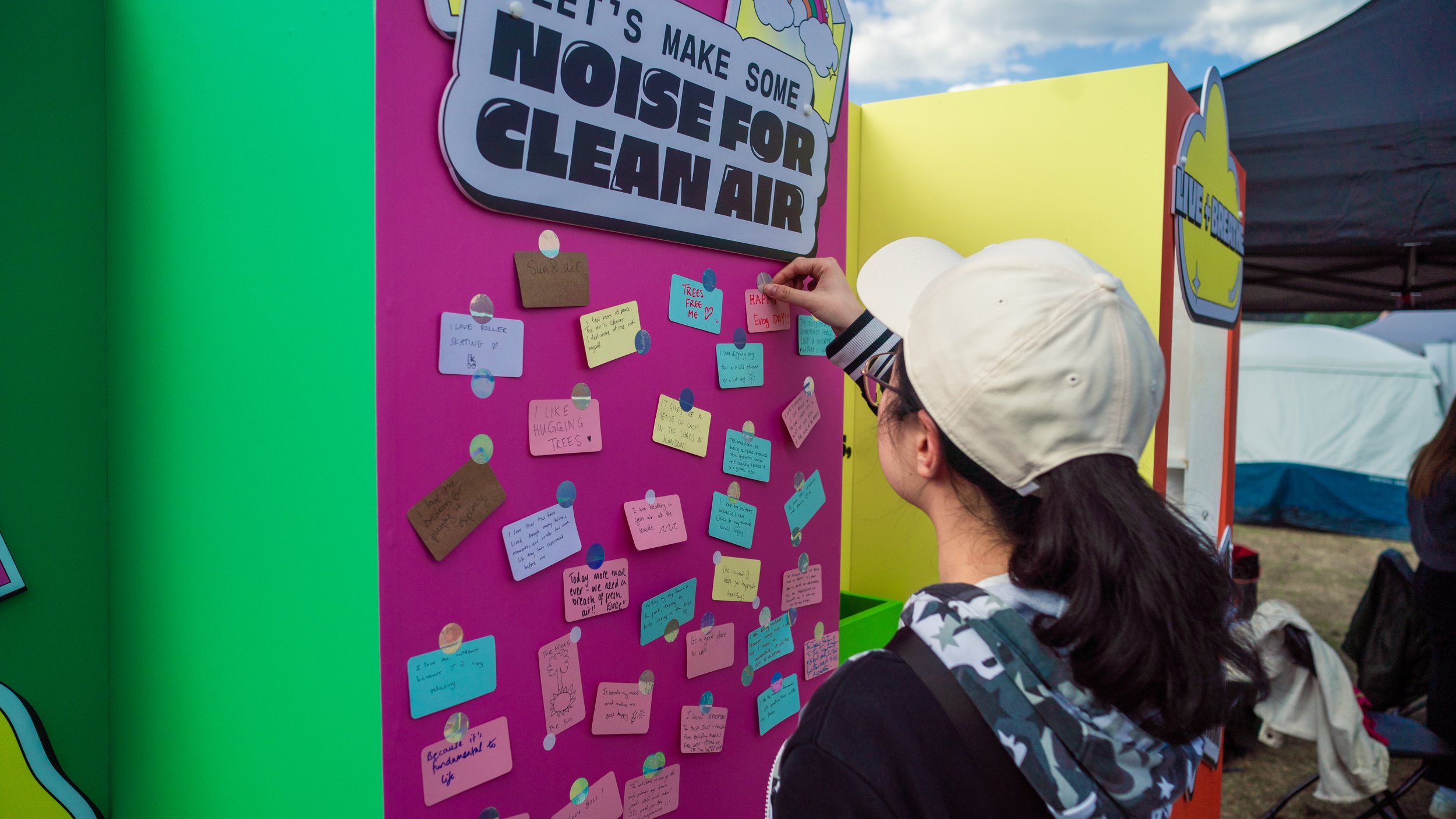
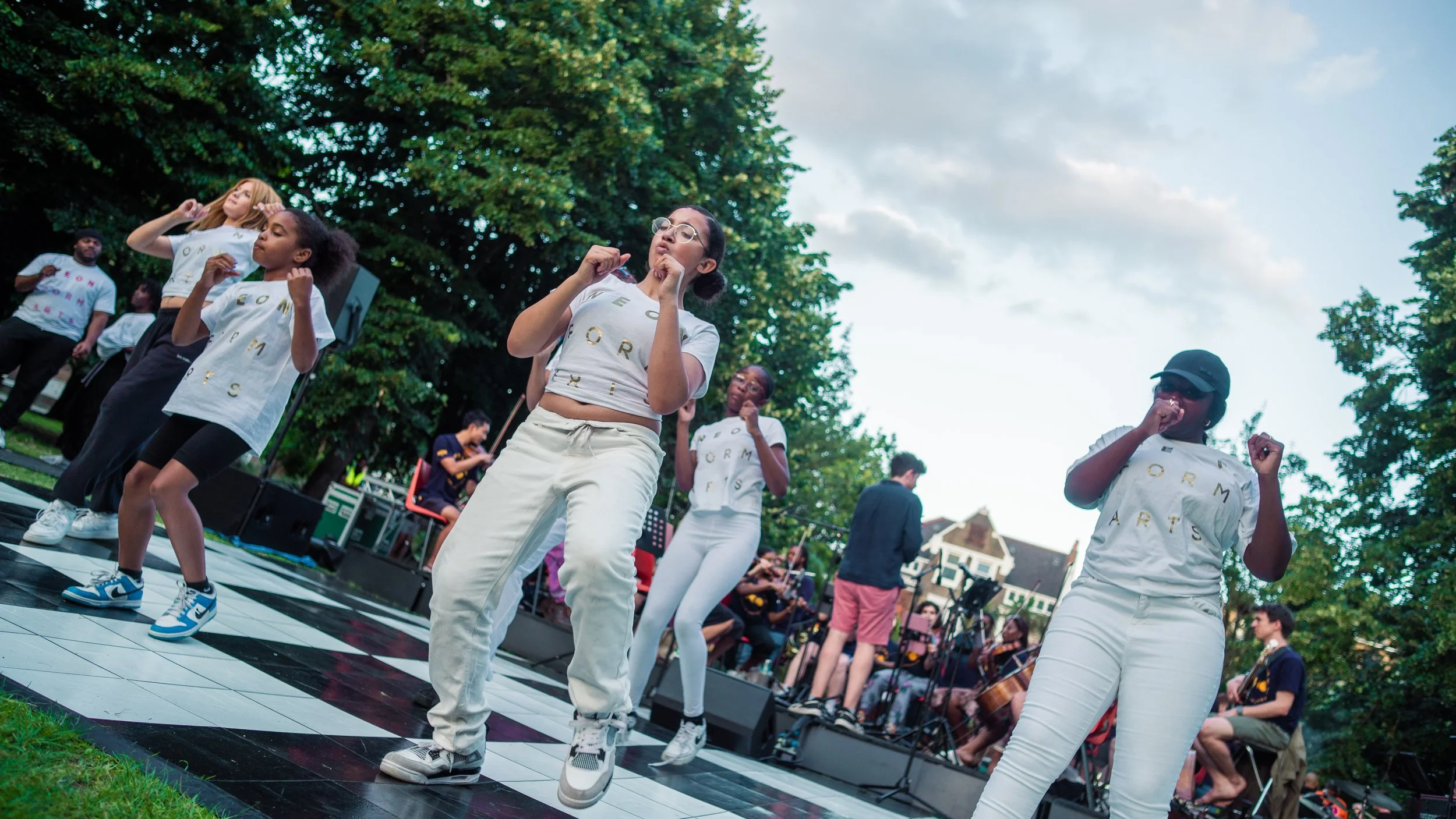
LIVE & BREATHE is led by musician and activist Love Ssega in collaboration with Julie's Bicycle, with multiple community partners working to empower and connect minority voices on air pollution. As the WHO and Jameel Arts & Health Lab describe it in the policy brief, the campaign emphasises "hopeful messaging, community connection and social and racial justice", offering awareness-raising performances, creative solution-design workshops, outdoor cultural events, and festivals that build momentum and influence local decision-makers toward cleaner air.
By 2024, LIVE & BREATHE had registered as a Community Interest Group, with partners becoming advocates well beyond their own immediate audiences. An estimated 504,000 people had been reached through media coverage, and 800 attended partner-led summer activations like the Colours and Culture Festival.
What stands out about LIVE & BREATHE, and what makes it so important, is that it highlights the positive outcome when art is rooted in justice. The policy brief reminds us that "women, Indigenous people, youth, older adults, people with disabilities and low-income and displaced populations bear disproportionate burdens" of climate-health impacts. LIVE & BREATHE puts those communities at the centre. To explore why arts and culture deserve a place in climate-health policy, read the full policy brief here.